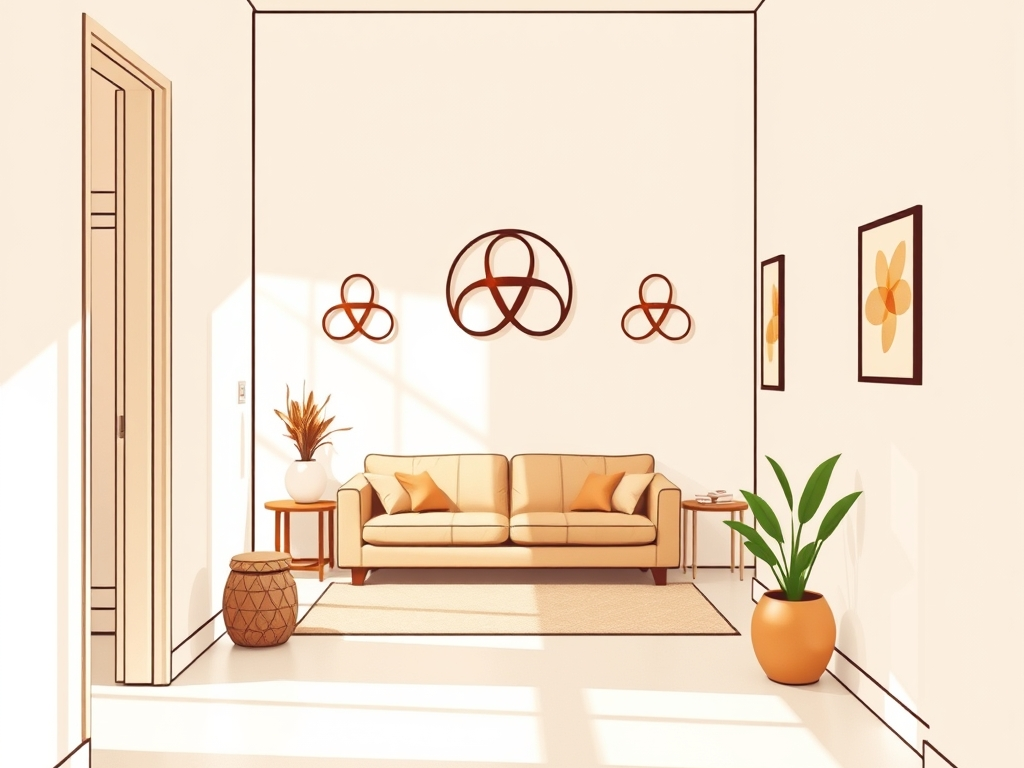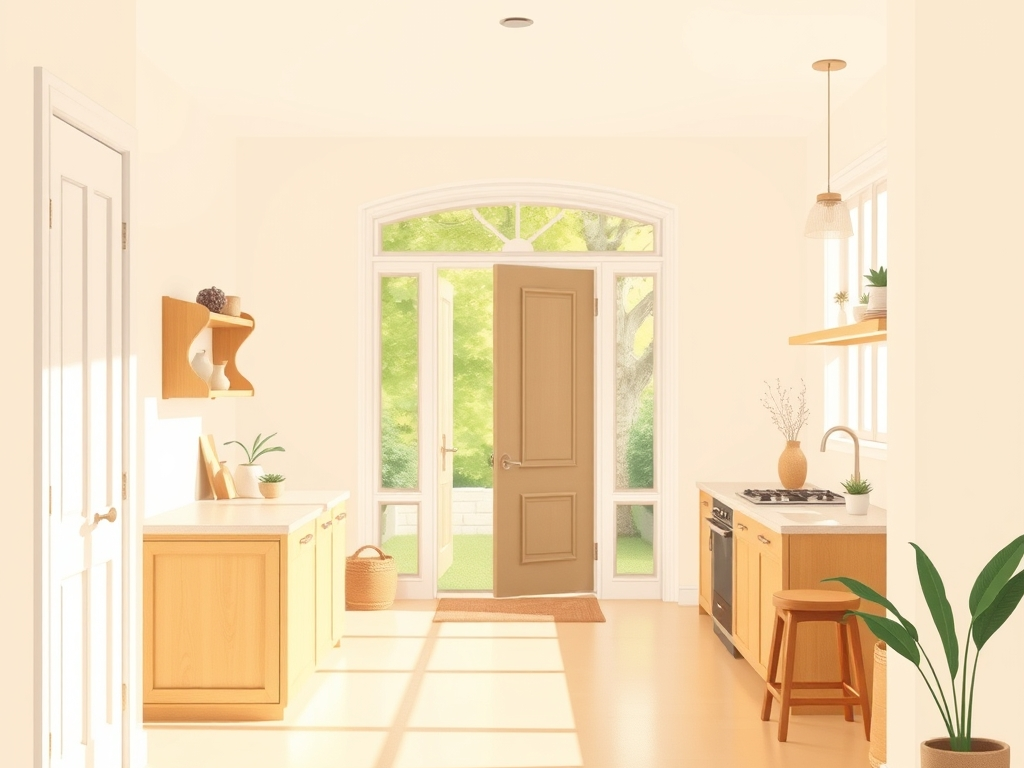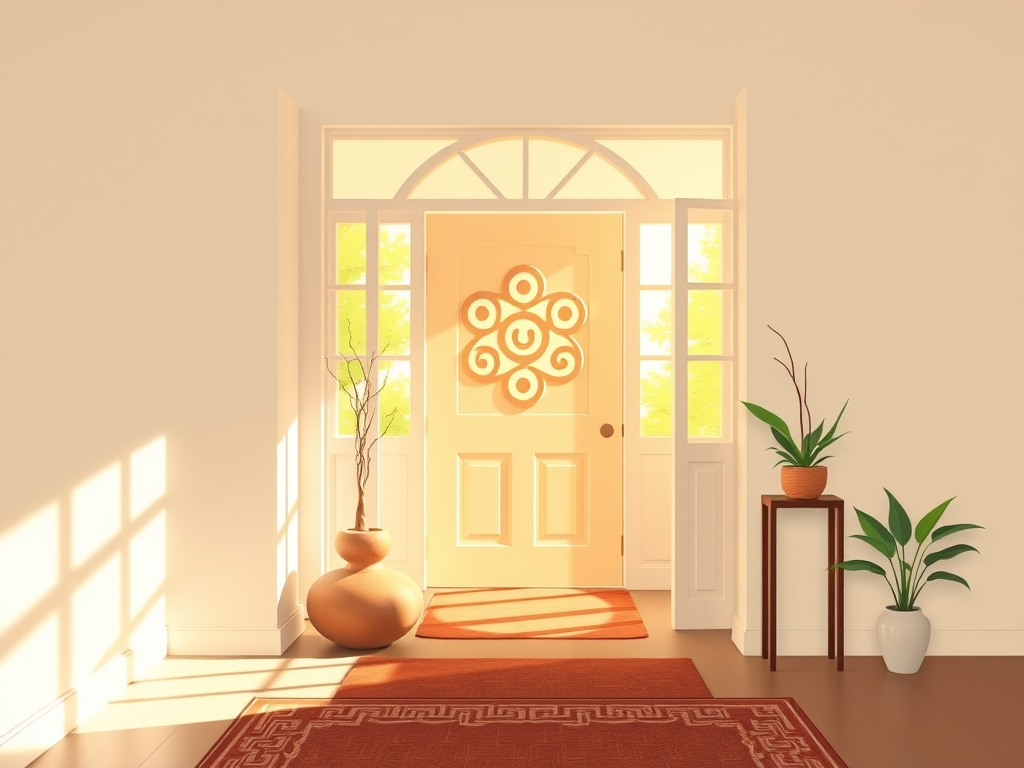
Feng shui is often summarized as arranging a room so it feels right, and the five elements are the vocabulary that explains why some arrangements feel right and others do not. Each element, Wood, Fire, Earth, Metal, and Water, corresponds to a set of colors, shapes, materials, and functions. Placement is the practice of using those expressions deliberately, and the goal is balance, not decoration by formula.
The five elements are not mystical objects to be collected. They are categories of quality: growth, warmth, stability, clarity, and flow. When a room is overloaded with one quality and missing another, the imbalance often shows up as discomfort, clutter, or stagnant energy. Element placement is a way of reading and correcting that imbalance.
The Five Elements in a Room
Wood appears in plants, vertical shapes, and greens and blues; it expresses growth and initiative. Fire appears in candles, lighting, reds and oranges, and pointed shapes; it expresses warmth, visibility, and activity. Earth appears in ceramics, stone, square shapes, and yellows and browns; it expresses stability and nourishment. Metal appears in metal frames, white and gray, and round shapes; it expresses precision and clarity. Water appears in mirrors, glass, dark colors, and flowing shapes; it expresses flow and reflection.
No element is better than another; each room needs several, and the right proportion depends on the room's purpose. A study wants more Metal and Water for clarity and focus. A living room wants more Wood and Fire for warmth and connection. For the deeper theory, read The Five Elements in Feng Shui and What Is Feng Shui?.
How to Read an Imbalanced Room
Start by looking at a room as a set of dominant qualities. A room with beige walls, a square sofa, and heavy pottery is Earth-heavy: stable but potentially dull and heavy. A room full of screens, mirrors, and dark blue is Water-heavy: calm but potentially cold and unfocused. A room with many candles, red cushions, and sharp decor is Fire-heavy: lively but potentially restless.
The reading is not a diagnosis of your personality; it is a description of the room's atmosphere. Once you name the dominant quality, the fix is usually the addition of one or two contrasting elements rather than a redesign. For a room-by-room method, read How the Bagua Relates to Different Areas of Life.
A Placement Checklist
When arranging or adjusting a room, work through this checklist:
- Name the room's main purpose: rest, work, eating, or gathering.
- Identify the element that best supports that purpose.
- Check the room for the current dominant element.
- Add one or two objects from a supporting or balancing element.
- Remove or relocate items that create an obvious overload.
One or two changes are enough to test. If the room feels better within a week, the reading was useful; if not, adjust again. The checklist keeps element work experimental rather than dogmatic. For a related approach to single rooms, read Feng Shui for Small Spaces.
Common Misconceptions About Element Placement
The first misconception is that each person has one lucky element to buy. Placement is about the room and its function, not a shopping list. The second misconception is that more elements mean better feng shui. A room with all five elements in equal confusion is just clutter; balance means deliberate proportion, not completeness. The third misconception is that element rules override practicality.
A fire extinguisher in the kitchen is a red object, but it is not a decor choice, and no element rule should move it. Practical function always comes first in a responsible reading. For the same principle applied to the whole home, read Learn Feng Shui Without Superstition.
Using Elements to Change a Room's Feel
Element placement is most useful when a room's function and its feeling disagree. An office that should support focus but feels scattered may need more Metal objects and fewer open shelves. A bedroom that should support rest but feels cold may need warm Earth tones and soft textures. A dining room that should feel social but feels flat may need Fire accents such as warm lighting.
The changes are small and reversible, which makes them easy to test. Because the elements map to color, shape, and material, you can adjust a room without buying anything, simply by moving and regrouping what you already own. For more on the practical adjustments, read What Makes a Space Feel Balanced.
A Worked Example
A home office feels restless and unproductive. The reading finds it Fire-heavy: a red accent wall, bright overhead light, and many pointed decor pieces. The owner adds a small indoor plant for Wood, a ceramic bowl for Earth, and switches the overhead light to a warm lamp. Within two weeks the room feels calmer, and work sessions become noticeably steadier. No furniture was replaced.
The example is typical of element work: small, observable, and reversible. For more practical guides, browse the feng shui library or start with What Is the Bagua Map?.
Testing Element Changes
Element work is best done as a short experiment with a clear test. Choose the room that bothers you most, name its dominant element, add one contrasting object, and leave everything else untouched for two weeks. Then decide whether the room feels different in the way you intended. The discipline of changing one thing at a time is what makes the practice informative.
If the change works, keep it and consider one more. If it does nothing, remove it and try a different expression of the same element, such as a shape instead of a color. Rooms respond to the combination of color, material, and placement, and the only way to learn which combination works in your home is to test it deliberately. Element placement is a practice of observation, not a set of instructions to obey.
FAQ
Do I need all five elements in every room?
No. Most rooms work well with three or four elements in deliberate proportion, suited to the room's purpose.
Can element placement change my luck?
It changes the atmosphere and function of a room; it does not promise specific outcomes.
How many changes should I make at once?
One or two, so you can tell which change made a difference.
Does color alone count as an element?
Color is one expression, but material and shape matter too; a metal-colored plastic object is still mostly about its form and placement.