The kitchen counter is where a meal actually begins. It holds the chopping board, the ingredients, the tools, and the small decisions that become dinner, and its state shapes the whole rhythm of cooking. A clear, workable counter makes a meal feel calm even when the recipe is complicated; a crowded one turns every meal into an obstacle course. Feng shui has always treated the kitchen as a place of nourishment, and the counter is its workbench, the surface where care becomes food. If the kitchen is new to your study, begin with The Kitchen in Feng Shui: Balance and Function.
This article explains how the counter shapes the rhythm of a meal, what belongs on it, and how a ten-minute reset changes the feel of cooking.
Why the Counter Sets the Rhythm
Cooking has a rhythm: gather, prepare, cook, serve, and clear. The counter is the stage for the first half of that rhythm, and every interruption on it breaks the flow. When the surface is clear, the hands move from chopping to stirring without searching. When it is crowded, each step begins with a small hunt, and the meal carries the tension of those hunts even when it arrives on time.
The counter is also where the cook stands, and its height, light, and order directly affect how the body feels through the task. For how the kitchen supports nourishment more broadly, read Feng Shui for the Dining Area.
What Belongs on the Counter
A working counter needs three zones: a preparation space that stays empty until the meal begins, a tools zone for the two or three tools used daily, and a landing zone for the small objects that drift in, such as keys, mail, and phones. The first zone is the one most kitchens lose.
The test for anything on the counter is simple: was it used in the last meal, or will it be used in the next? Appliances used weekly can live on shelves; objects that only collect dust belong in a drawer. For how objects shape a room's feel, read What Makes a Space Feel Balanced.
The Ten-Minute Reset
The counter can be reset in ten minutes, and the practice works best at a fixed time, such as after breakfast or before bed.
- Clear the surface completely and wipe it down.
- Return only the daily tools and the few appliances used most.
- Sort the rest into homes: drawers, shelves, or the bin.
- Create one empty preparation zone and protect it.
- Wash the sink and clear the drain board so the kitchen ends clean.
- Set out anything needed for the next meal, such as the pan or the cutting board.
The reset takes less time than the average search for a missing tool. For a weekly version of the same idea, read A Weekly Feng Shui Reset.
Balance in the Kitchen
Traditional practice pays attention to the balance of the kitchen's elements. The stove is Fire, the sink and water are Water, and the counter sits between them as the working Earth. The practical reading is about separation and flow: the stove should not sit directly against the sink, and the main preparation space should sit between the two so the cook can move from washing to cooking without crossing hazards.
If the layout cannot change, the fix is in how you use it: dry the space between water and flame, keep the path between sink and stove clear, and let the counter hold the calm centre. For how the five elements apply to a whole home, read The Five Elements in Feng Shui Placement.
Signs Your Counter Needs Attention
The counter sends clear signals when it is overloaded. Meals take longer than the recipe says, tools go missing, the family eats at different times because the rhythm keeps breaking, and the kitchen feels like a storage room with a stove in it. If you recognise more than one sign, the counter is the place to start.
Notice also how the counter feels at the end of a meal. A kitchen that ends clear invites the next meal; one that ends stacked discourages cooking altogether. For how clutter affects the spaces we live in, read Clutter in a Drawer: A Small Feng Shui Practice.
Common Mistakes With the Kitchen Counter
The first mistake is treating the counter as permanent storage for small appliances, which eats the preparation space one gadget at a time. The second is cleaning only the visible front and letting the back edge collect a permanent shelf of jars and papers. The third is expecting the counter to stay clear without a system for the objects that drift in, which is why the landing zone matters.
A related mistake is making the kitchen too bare and joyless in the name of order. A bowl of fruit, a wooden board, or one plant gives the counter life while keeping it workable. For how to approach feng shui without superstition, read Feng Shui Without Superstition.
Letting the Counter Serve the Meal
When the counter is clear and the tools are at hand, cooking changes character. The hands move, the meal takes shape, and the cook can actually be present for the rhythm of preparation rather than fighting the surface. That presence is the real point: the counter exists to serve the meal, and the meal exists to nourish the people around it.
Protect the preparation zone as the kitchen's most valuable surface, and the kitchen will reward every meal with a little more calm. For how the whole home's rhythms connect, read How the Bagua Relates to Different Areas of Life.
Two Kitchens With the Same Recipe
The first kitchen has a counter holding a toaster, a kettle, a jar collection, a stack of unread mail, and last night's dishes. To cook dinner, the person must first move three objects, wash a board, and clear a space the size of a plate. The meal takes longer, the tools hide, and by the time the food is ready the cook is already tired of the kitchen.
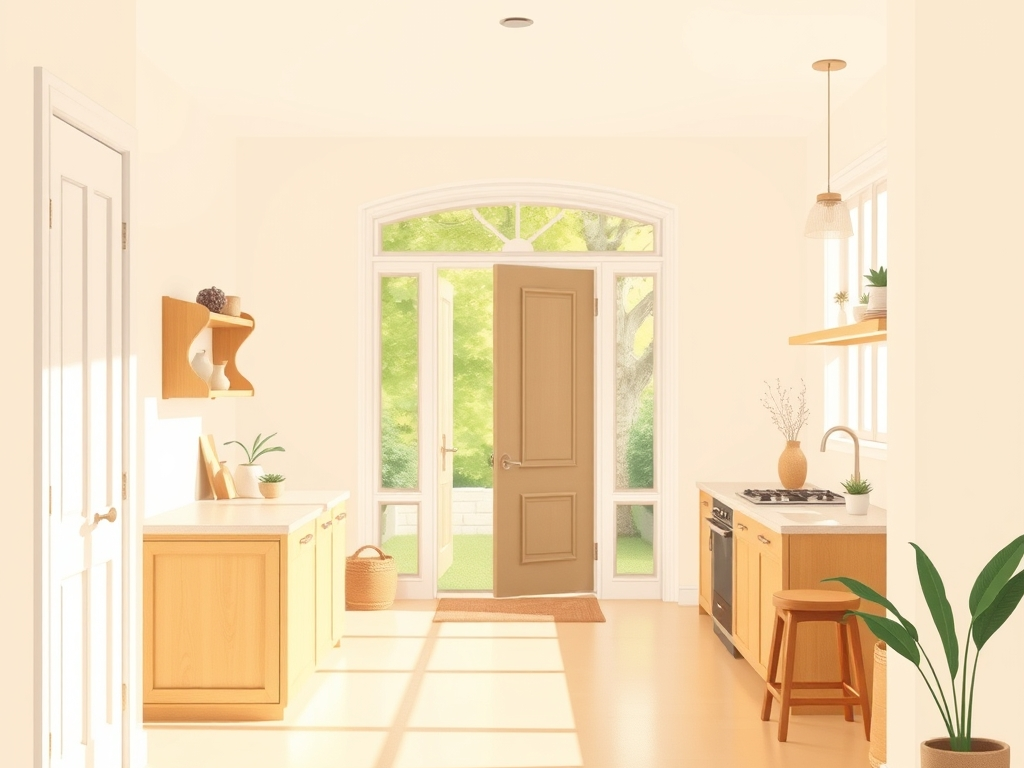
The second kitchen has the same appliances stored elsewhere, a clear preparation zone, and a small bowl of fruit giving the surface life. The same recipe flows: wash, chop, stir, serve, clear, and the kitchen ends the meal as clean as it began. The difference is not the size of the room or the quality of the pans; it is the readiness of the workbench. The counter is the quiet partner of every meal, and a clear one lets the cook actually cook.
FAQ
How much counter space should I keep empty?
Keep at least one clear preparation zone about the size of a chopping board, and protect it even in small kitchens; the rest can hold daily tools.
Do small appliances on the counter matter in feng shui?
They matter practically: every appliance that sits unused takes space the meal needs, so keep only the ones used weekly on the surface and store the rest.
What if my kitchen is too small for zones?
Use the zones in sequence instead of side by side: clear the surface, prepare, then return the tools to their homes before serving, so the rhythm carries the space.
Can the counter affect how the family eats together?
Indirectly, yes. A counter that supports cooking makes meals easier to make, and easier meals make shared eating more likely, which is where the nourishment really lands.