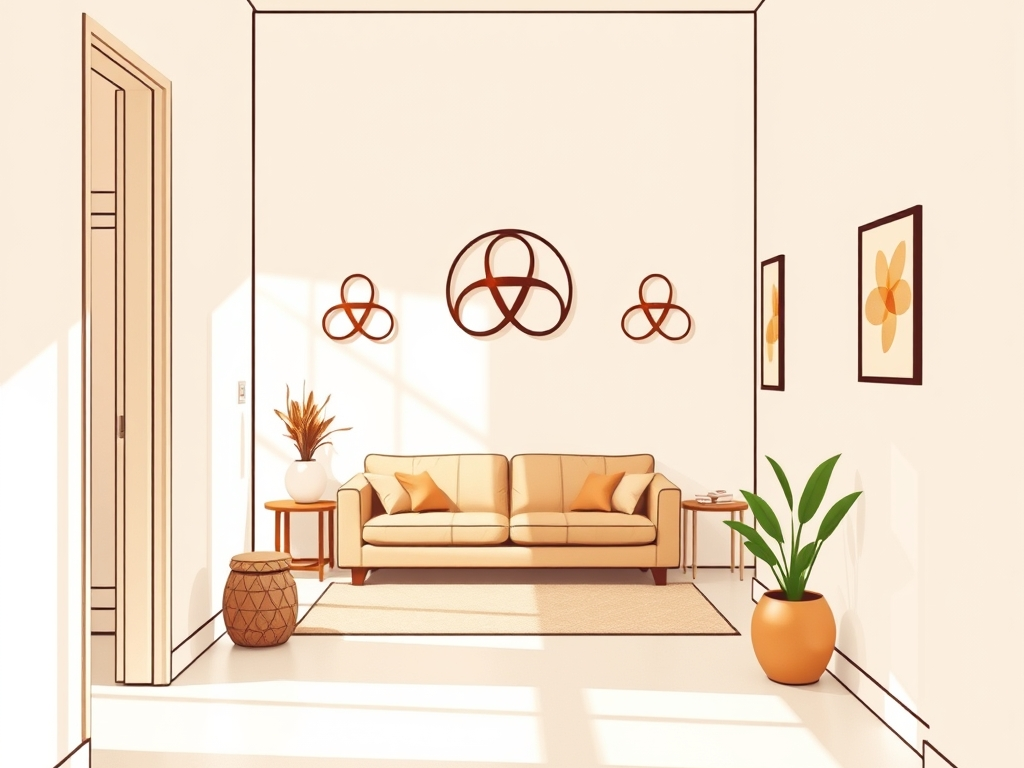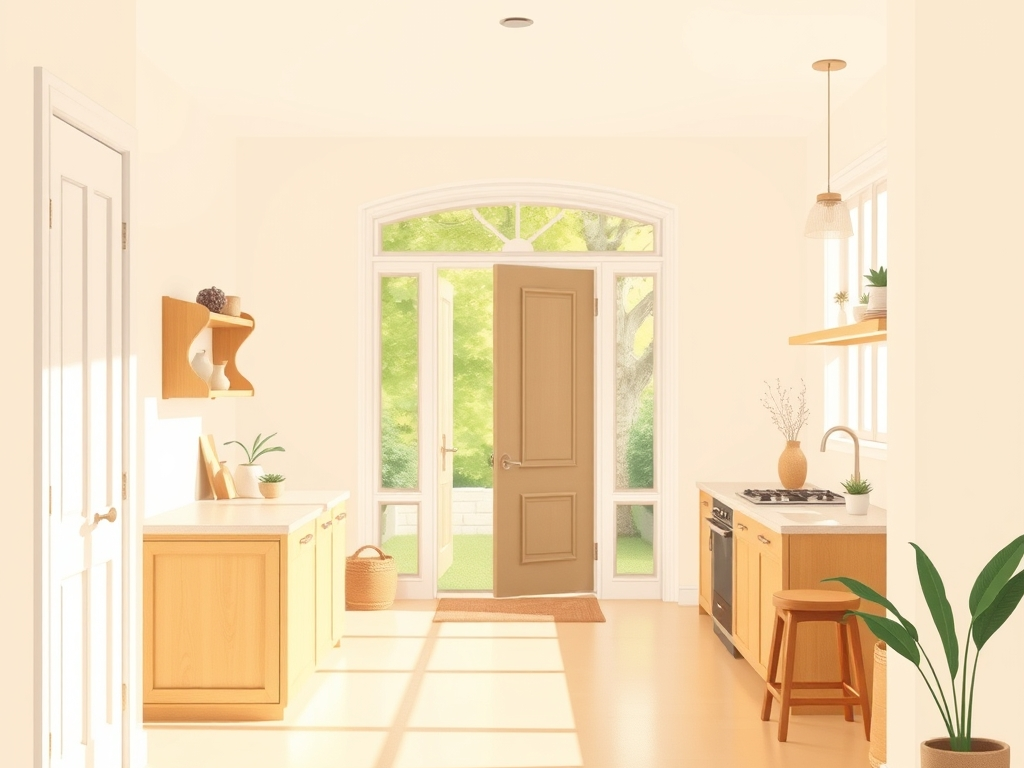
Small spaces are not a Feng Shui problem. They simply ask for a different approach: less clutter, more light, and furniture that earns its place. The principles of balance and flow work in any size, and a small room can feel calmer than a large one when it is arranged well.
The enemy of a small space is visual noise, not size. When every surface carries an object and every wall carries a color, the room feels smaller than it is. Clearing the noise is the first and most effective adjustment.
What Matters Most in a Small Space
Start with flow. Keep the entry path clear, let in as much natural light as possible, and choose a small number of pieces that serve multiple purposes. In a compact room, every object either supports the space or steals from it.
Multi-use furniture is the practical backbone of small-space Feng Shui. A storage bench, a folding table, or a sofa that opens for guests all reduce the number of objects the room needs. Fewer objects means less visual noise and more usable floor.
For the basics, read What Is Feng Shui? and What Makes a Space Feel Balanced?.
Making It Feel Bigger
Use light colors on large surfaces, mirrors placed to reflect light rather than clutter, and vertical storage to keep the floor clear. Keep the strongest visual anchor simple, and let the space breathe. Size is not the issue; visual noise is.
A large mirror opposite a window doubles the daylight and makes the room feel deeper. Light colors on walls and floors reflect what light exists. Vertical shelves draw the eye upward and free the floor. These three moves, light, mirror, and height, are the core of small-space Feng Shui.
- Clear the entry path first.
- Let natural light reach the deepest corner.
- Use mirrors to reflect light, not clutter.
- Store vertically to free the floor.
- Choose furniture with more than one purpose.
- Keep the color palette light and simple.
The checklist keeps the small-space project practical.
Defining Zones Without Walls
In a studio, zones matter more than walls. A rug defines the seating area, a screen or shelf separates the sleep corner, and a change of light marks the work zone. These signals help the mind switch between activities in a single room.
The boundaries do not need to be solid. A curtain, a tall plant, or even a change in rug texture is enough. The goal is a clear mental transition between rest, work, and social time, which a single open room otherwise blurs.
How to Edit the Room Over Time
Small spaces reward editing. Once a month, look at the room and ask which items you have actually used and which are decoration you no longer notice. Move the unused items out, even temporarily, and feel the difference. The room should become lighter with each pass.
Editing is not minimalism for its own sake; it is the practical way to keep a small space working. A room with fewer, better-chosen items feels larger and calmer, and it is easier to keep clean, which compounds the benefit.
For more on layout thinking, see Form vs Compass School and the Feng Shui overview page.
A One-Month Small-Space Plan
A small space improves in four weekly steps. Week one is flow: clear the entry path and the floor. Week two is light: clean the windows, brighten the walls, and add a mirror that reflects daylight. Week three is height: move storage upward so the floor opens. Week four is editing: remove the items you have not used this month.
Each week is small enough to finish, and each one makes the next more visible. After the month, the room should feel larger even though nothing was added.
Keep a one-line note after each week describing how the room feels. The note helps you see progress and prevents the common trap of feeling that nothing changed. In a small space, small changes compound quickly.
At the end of the month, review the notes and keep the changes that worked. Then schedule a lighter monthly edit to keep the room from filling up again. The plan turns small-space Feng Shui into a habit rather than a one-time project.
A Small-Space Maintenance Checklist
Small spaces need maintenance, and this monthly checklist keeps them working.
- The entry path is clear of shoes, bags, and boxes.
- Windows are clean and curtains let in daylight.
- Mirrors reflect light rather than clutter.
- Vertical storage is used and the floor is open.
- Furniture still serves more than one purpose.
- Unused items from the month are moved out.
- Each zone has a clear boundary, even a subtle one.
- The color palette stays light and simple.
- One new object was added only after editing.
- The room feels larger than it did last month.
The monthly pass takes about thirty minutes and prevents the slow filling that undoes small-space arrangements. Mark the items you skip, and start the next month with the first skipped item. The room will keep working because the checklist keeps it honest.
The monthly edit also applies to digital clutter. Screens, cables, and chargers are part of the room, and they collect as fast as physical objects. A small tray for cables, a single place for chargers, and a clear rule about screens keeps the visual noise down and makes the room feel genuinely lighter.
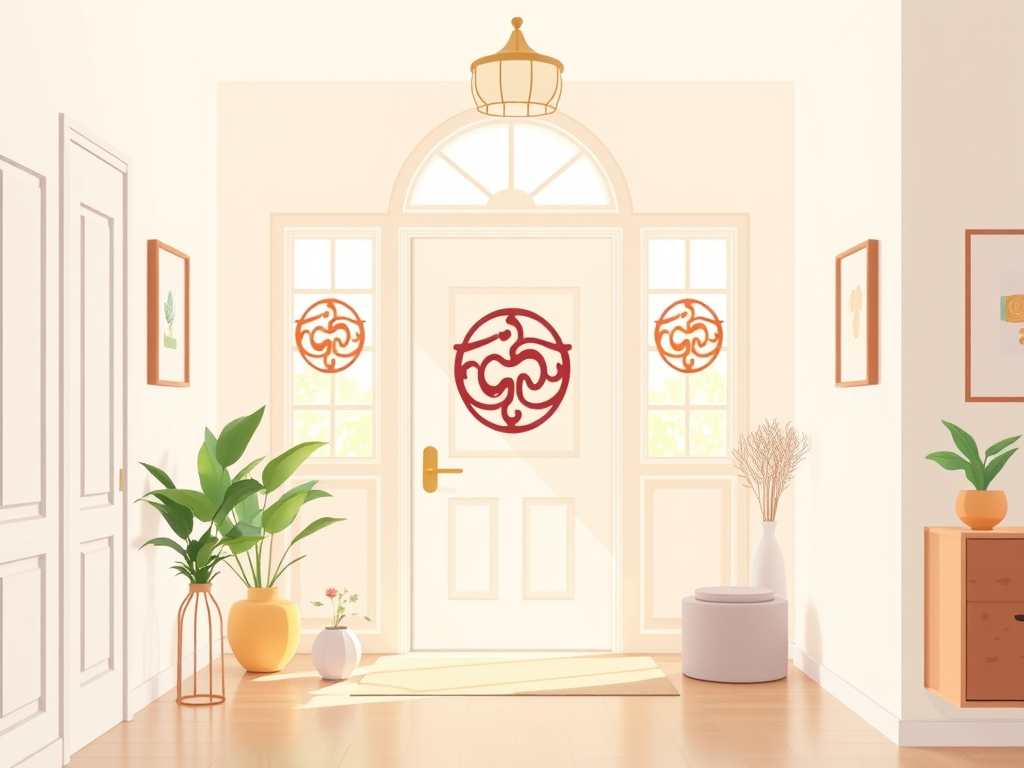
One more practical point: in a small space, the door is the first impression and the last one. Keep the door area clear and welcoming, because it sets the tone for the whole room. A clear threshold makes the room feel open even when the space is tight, and it is one of the easiest adjustments to test.
FAQ
Can Feng Shui work in a studio?
Yes. Clear boundaries between zones, like a screen or a rug, help a studio feel structured.
Do I need to add more items?
Usually the opposite: fewer, better-chosen items make a small space work.
What if my room has no natural light?
Compensate with light colors, mirrors, and warm layered artificial light.
How do I avoid clutter returning?
Give every item a home and do a short monthly edit of the room.
For more on this topic, browse the Feng Shui library, the Feng Shui overview, and the general foundations.