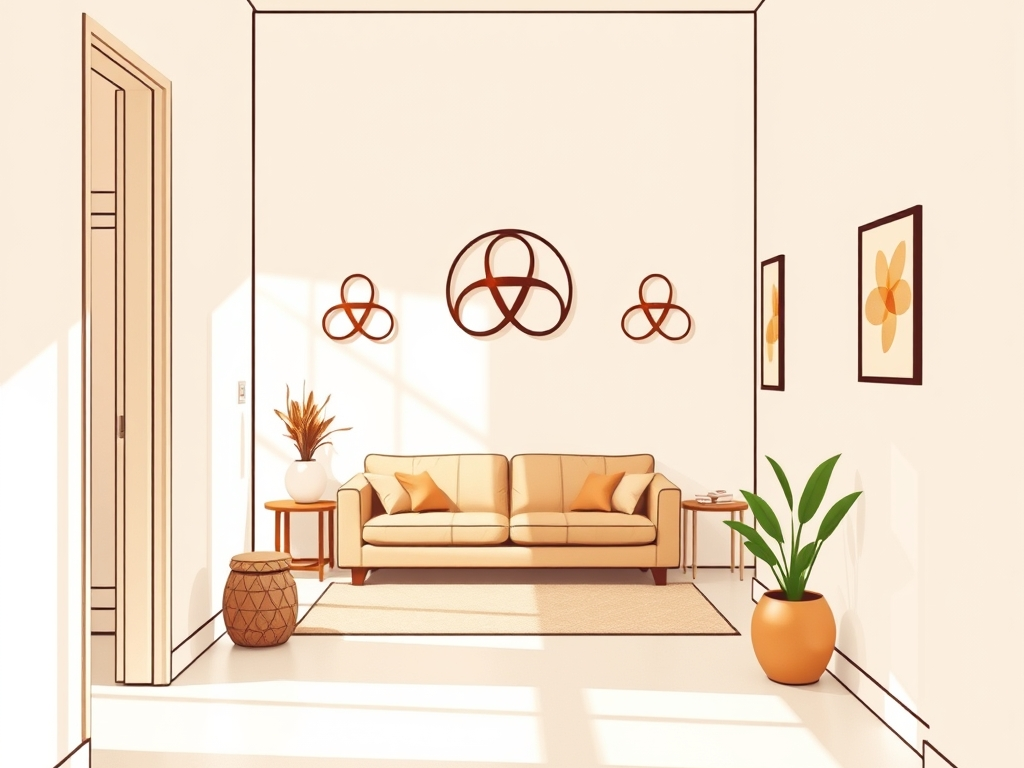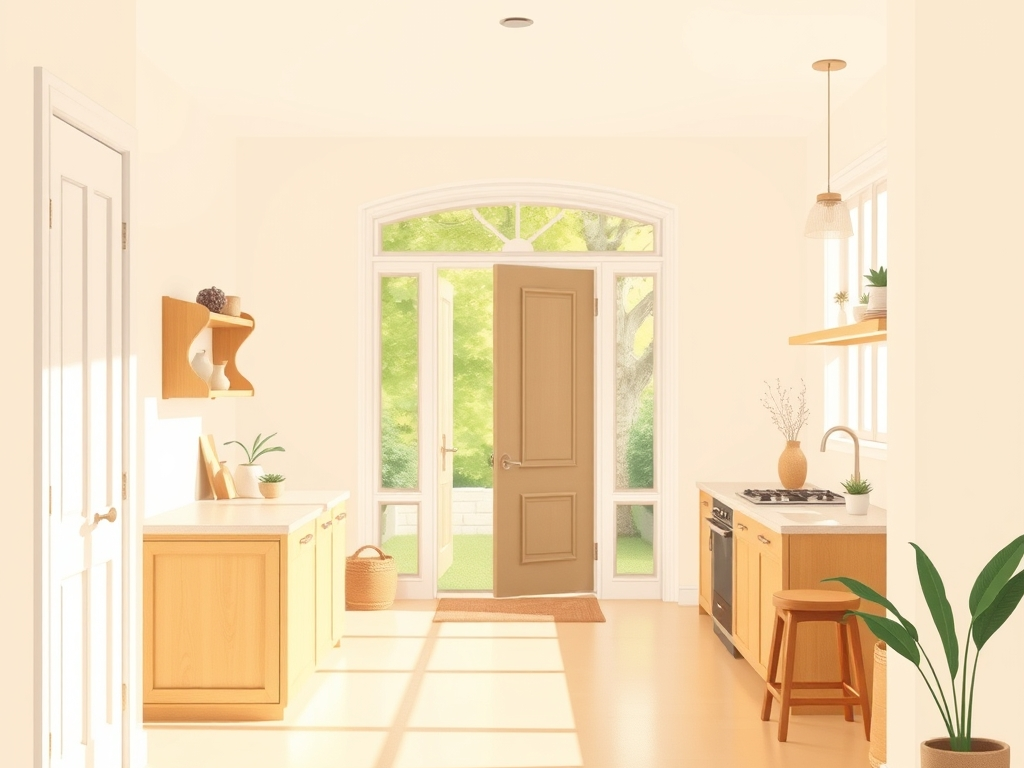
Apartments pose a different feng shui challenge than houses. The layout is fixed by the building, the space is often small, and renters cannot knock down walls or change the front door. The good news is that the core of feng shui practice adapts to these limits: most adjustments are about arrangement, light, and routine, not construction. This article walks through apartment-specific priorities without pretending the home is something it is not.
For the basics of the tradition, start with What Is Feng Shui?.
What Changes in an Apartment
In an apartment, the building does much of the work: orientation, neighbors, and shared corridors are outside your control. What remains in your control is the interior: where furniture sits, how light moves, what accumulates, and how the space is used. That is a large enough canvas for meaningful change, and it is the right place to focus attention.
Rental limits also shape practice. Permanent changes are usually unavailable, so apartment feng shui favors portable adjustments: rugs, curtains, lighting, mirrors, plants, and furniture placement. For the portable mindset, read Feng Shui for Renters: Portable Adjustments.
Priorities for Small Spaces
In a small apartment, the order of operations matters. First, reduce visual clutter, because clutter consumes the limited openness a small home has. Second, improve light, because small rooms feel larger with brightness and layering. Third, keep circulation clear, especially at the entrance and between the main living zones. Fourth, use furniture with multiple functions, such as storage benches or foldable tables, to avoid crowding.
These priorities are not compromises; they are the feng shui of small spaces done correctly. A small room that is clear, bright, and easy to move through reads as larger and calmer than a big room that is cluttered. For the general approach, read Feng Shui for Small Spaces.
An Apartment Checklist
Run this checklist when you move into an apartment or reset an existing one:
- Clear the entrance so the door opens fully and the path is obvious.
- Layer lighting in each room: general, task, and accent.
- Position the bed, desk, and sofa so they are visible from the door but not in its direct line.
- Reduce floor-level storage in favor of wall-mounted or multi-function pieces.
- Keep the kitchen counters and the bathroom surfaces clear.
The checklist addresses the spaces where apartments most often fail: entrance, light, and circulation. For the positional detail behind the bed and desk, read The Command Position in a Room.
Common Apartment Misconceptions
The first misconception is that an apartment with a "bad" orientation cannot be improved. Interior arrangement, light, and order affect how a space feels far more than the compass direction alone. The second is that every room needs a feng shui object. Most apartments need subtraction, not addition. The third is that a studio apartment is too small to work with; the same principles apply, with the entrance and the sleeping area as the two highest priorities.
For the myth that objects are the point of feng shui, read Common Feng Shui Myths.
Working with the Building's Limits
Some apartment features cannot be changed: a door that opens into the living room, a windowless bathroom, or a bedroom beside the elevator. These are conditions to work with, not verdicts. A door opening into the living room can be softened with a screen or a rug that defines the entrance zone. A dark bathroom benefits from bright lighting and clean surfaces. A noisy bedroom benefits from layers of curtain and a clear sleeping area.
The principle is to improve what you can and order what you cannot. For the entrance specifics, read Feng Shui for the Front Door and Entryway and The Front Door and First Impressions.
The Rental-Friendly Change List
When you cannot change the building, change the list. Keep a running list of adjustments that require no permission and no holes in the wall: movable lighting, curtains, rugs, storage furniture, plants, and rearrangement. Each month, choose one item from the list and complete it. Over a year, twelve small changes transform how the apartment feels without a single permanent alteration.
The list also protects you from the opposite mistake, spending energy on changes you will have to undo. Before any apartment project, ask whether you would do it in a house you owned. If the answer is no, the change probably depends on the building's permanence, and a portable substitute will serve you better.
At the end of the lease, you should be able to restore the apartment to its original state in a day. That standard keeps apartment feng shui honest, practical, and cheap, which is exactly what rental living requires.
The list approach also builds a useful habit: before adding anything new to the apartment, ask what it replaces. Every addition should remove a friction or improve a function, otherwise it becomes another object the space has to absorb. Small spaces stay clear when every purchase has a job, and the job is stated before the purchase happens.
If you move often, the list becomes a move-in kit: lighting, curtains, rugs, and clear surfaces travel with you, and each new apartment starts from the same working set. The kit removes the delay of rebuilding feng shui from scratch, and it turns every move into an improvement rather than a reset.
If you live in a shared apartment, apply the same list to shared decisions: which lighting, which storage, and which furniture each person will manage. Clear agreements keep the space clear, and a clear space is the first result of apartment feng shui before any symbol is added.
FAQ
Can feng shui work in a rented apartment?
Yes, because most adjustments are portable and reversible, from lighting to furniture placement.
What is the most important area in a small apartment?
The entrance, because it sets the tone and controls circulation for the entire home.
Do I need to know the apartment's compass direction?
It helps for advanced practice, but clarity, light, and order matter first in any direction.
How should I handle a windowless bathroom?
Use bright lighting, clean surfaces, and ventilation; the room's condition matters more than its orientation.