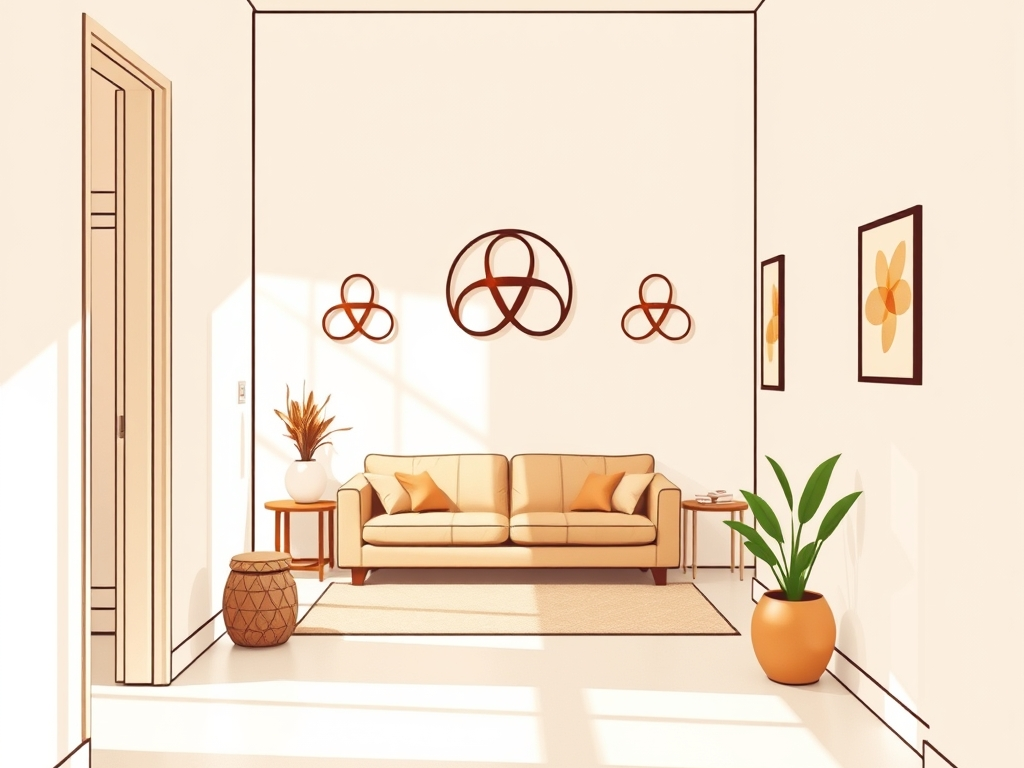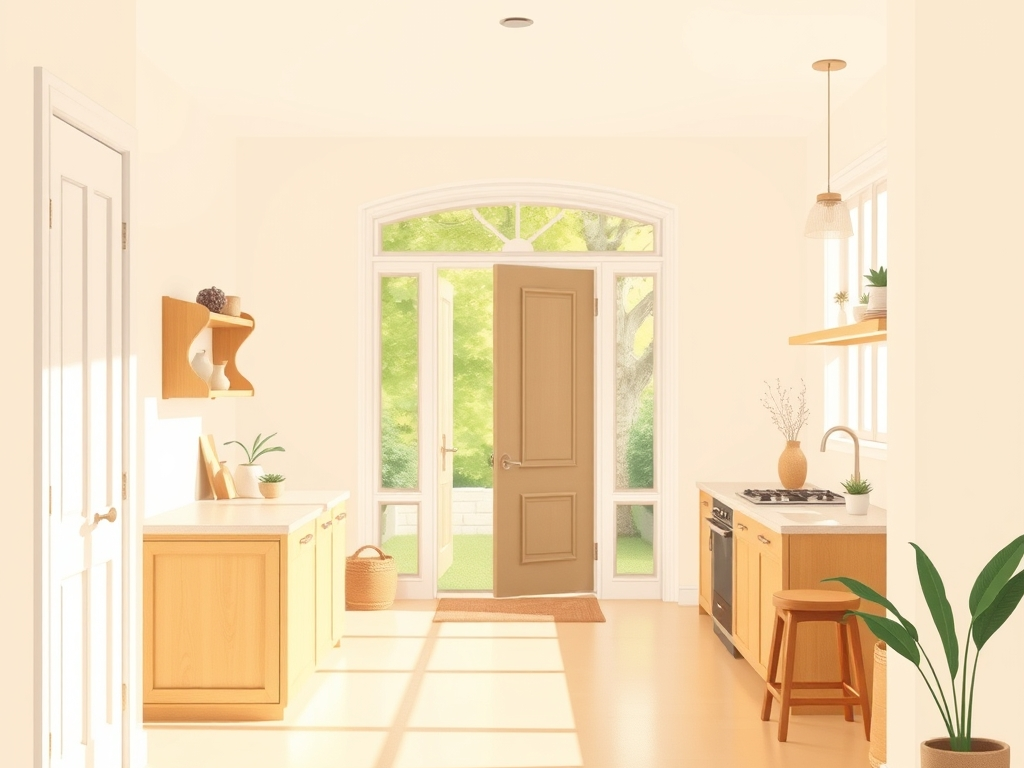
Intention is a word that appears often in Feng Shui, but it is rarely explained in practical terms. In this context, intention does not mean imagining a perfect life or declaring a wish for a room. It means deciding what a room is for, and then checking whether the room actually supports that activity. The practice is simple, concrete, and useful in any home, and this article explains how to apply it room by room, building on the framework in What Is Feng Shui?.
What Intention Actually Means
Every room already has an intention, whether you name it or not. The living room may be intended for watching television, the dining table for meals, and the home office for work. The problem appears when a room is used for several activities at once without any priority, so it slowly becomes a storage space for half-finished projects. Naming the primary purpose of each room is the first step of the practice, because it gives you a standard for deciding what belongs there.
Intention is not the same as a rigid rule. A dining table can still hold a laptop during the day, and a bedroom can contain a small desk. The point is that the room has a clear center of gravity, and everything else is secondary. This way of thinking is similar to the way the bagua organizes the home by activity, and the connection is described in How the Bagua Map Applies to Your Home.
A Room-by-Room Intention Practice
Use this process to bring intention into any room:
- Name the primary activity of the room in one sentence, such as rest, work, meals, or conversation.
- List the objects that directly support that activity and set aside the rest for review.
- Check the paths: can someone perform the primary activity without stepping over or around things?
- Check the light and sound: does the room support the activity at the time of day it is used?
- Choose one change that removes friction, such as clearing the desk or moving a chair into better light.
- Live with the change for a week, then repeat the review with the next room.
The process works because it is small and reversible. You do not need to redecorate; you need to make one honest decision about what each room is for and remove the obstacles that fight that decision. The same editing habit appears in Feng Shui for Small Spaces.
Intention and the Five Elements
Once a room has a clear purpose, the five elements give you a language for supporting it. A workspace may benefit from Metal-like clarity and order, a bedroom from Earth-like stability, and a creative corner from Wood-like growth. The elements describe qualities, not shopping lists, and the practical question is whether the room feels like it supports its purpose. For the general placement framework, read The Five Elements in Feng Shui Placement.
This is also where intention prevents decorative excess. If a room is for rest, a small number of calm, functional objects will serve it better than a collection of symbolic items. If a room is for work, a clear desk and good light will do more than a wall of motivational decor. The element that helps is the one that removes friction, and identifying it is part of the practice.
Common Misconceptions About Intention
The first misconception is that intention requires a ceremony or a formal declaration. Naming a room's purpose in your own words is enough, and the value comes from the editing that follows. The second misconception is that intention means making every room minimal. A room can be full and intentional at the same time, as long as the objects support the primary activity rather than compete with it.
The third misconception is that intention is a substitute for practical fixes. A room with bad lighting or a broken path will not be saved by a clear purpose; you still need to fix the light and clear the path. Intention works best alongside the practical review described in What Makes a Space Feel Balanced, and the two together form the core of a grounded approach to home design.
Keeping the Practice Alive
Intention is not a one-time project. Rooms change as seasons change and as habits change, so the practice includes a regular review. Once a season, walk through the home and ask whether each room still supports what you actually do there. The habit of seasonal review is described in Seasonal Adjustments in Home Energy.
It also helps to review intention when a room is not working. If a home office feels unusable, the first question is not which symbol to add; it is whether the room still has a clear purpose and a clear path. Restoring those two basics solves most problems, and the same standard applies to every room in the home. For the wider context of how rooms and activities relate, see The Center of the Home and Its Meaning.
Starting With One Room
The easiest way to begin the practice is to choose one room and give it a complete intention review. Pick the room that annoys you most, because it will show the clearest results. Spend one evening naming its purpose, clearing its paths, and making the single change that removes the biggest friction, then live with the room for a week. The improvement is usually visible within days, and the success gives you the confidence to apply the same process to the rest of the home.
It also helps to photograph the room before and after the change. The photos are not for decoration; they are a record of what intention looks like in practice, and they make the next review easier. When the room drifts back into clutter, which every room does eventually, the photos remind you of the standard you set and the small cost of restoring it. Intention is not a one-time design project; it is a habit of returning rooms to their purpose, and the habit grows stronger each time it is repeated, until the review itself becomes the natural way you treat a space.
FAQ
Does intention require a ritual?
No. Naming a room's purpose in your own words and editing the room to match it is the whole practice.
Can a room have more than one purpose?
Yes, as long as one activity is primary and the others are secondary, so the room keeps a clear center.
Is intention the same as minimalism?
No. A room can be full and intentional if the objects support the primary activity instead of competing with it.
How often should I review my rooms?
Once a season is enough, plus a quick review whenever a room stops working for its intended use.