A home that feels right in July can feel wrong in January, and the reason is not the furniture. Rooms absorb the season: light changes, air changes, and the activities that belong in the home change with the weather. Feng shui practice has always included seasonal adjustment for this reason, and the adjustments are mostly small, practical changes made four times a year.
The seasonal practice treats the home as a living system rather than a fixed arrangement. In spring the goal is renewal and opening; in summer it is brightness and airflow; in autumn it is harvest and closure; in winter it is warmth and storage. Each season asks the home to support a different kind of life.
Spring: Open and Renew
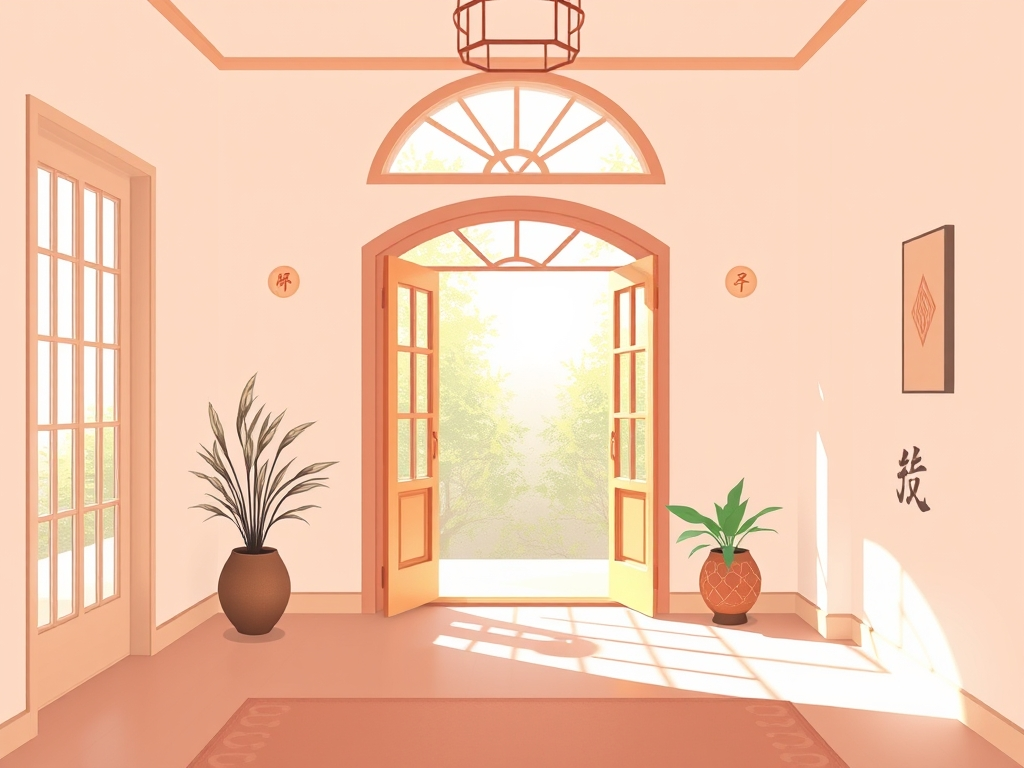
Spring is the season of growth, and the home responds to opening. Wash the windows to let in more light, clear the entry of winter clutter, and move furniture that blocks natural airflow. This is the traditional season for deep cleaning and for starting the projects that will carry through the year. Fresh plants and lighter textiles support the shift from winter's heaviness.
The practical rule is to let the home take a deep breath: fewer layers, more light, more movement. For the annual rhythm behind the practice, read Seasonal Eating and Traditional Timing and How Social Timing Changes Across Seasonal Phases.
Summer: Bright and Breezy
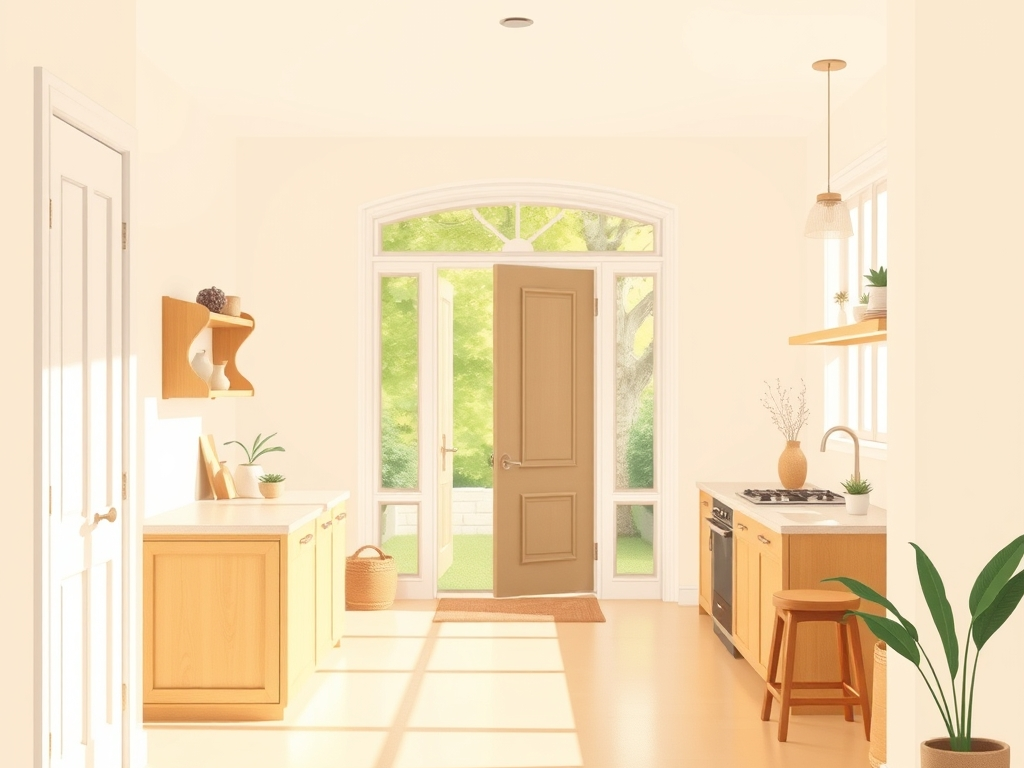
Summer asks for airflow and rest from heat. Open windows for cross-ventilation, use lighter curtains, and move seating toward shade and breeze rather than direct sun. Warm evenings are the time for social rooms to earn their keep, so the living and dining areas should support easy gatherings. The seasonal adjustment is mostly subtraction: remove heavy throws, dark textiles, and unused heat sources.
Summer is also the season to protect rest, because long daylight can push bedtime later. Blackout curtains in the bedroom and a cool, quiet corner for afternoon pauses keep the home supportive. For the energy model behind the season, read How Weather and Season Affect Energy.
Autumn: Harvest and Close
Autumn is the season of completion, and the home shifts toward storage and warmth. Bring in the last of the plants or move them to bright spots, swap light summer textiles for warmer ones, and use the shortening evenings for review and reading. This is the traditional season for repair: fix the drafty window, service the heating, and close the year's projects inside the home.
The autumn adjustment also includes subtraction: donate what was not used through the year and clear the spaces that accumulated summer clutter. A home that enters winter lighter is easier to keep warm and calm. For the review habit, read The Practice of Evening Reflection.
Winter: Warm and Still
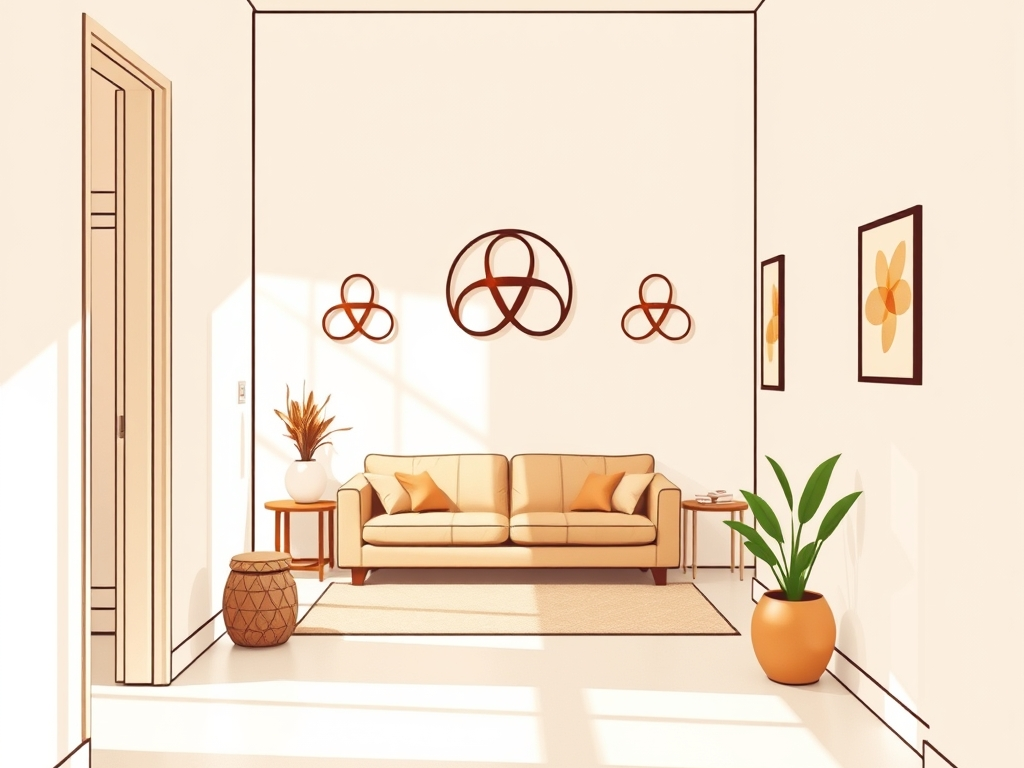
Winter asks the home to be a shelter: warm light, soft textiles, and quiet gathering spaces. The adjustments are additive: thicker rugs, warmer lamps, blankets within reach, and seating arranged for conversation rather than movement. This is the season for the home to hold people, and the atmosphere should support rest and long evenings.
Storage also matters in winter, because more time indoors means more visible clutter. Seasonal storage for summer items keeps the winter rooms clear. For the restful side of winter, read How Seasonal Energy Affects Rest and The Quiet Days Between Solar Terms.
A Seasonal Adjustment Checklist
Run this checklist at each change of season:
- Open the windows for a full airing on the first mild day.
- Swap at least one heavy item for a light one, or the reverse, in each main room.
- Adjust lighting: brighter and cooler in summer, warmer and softer in winter.
- Move one piece of furniture or seating to match the season's use of the room.
- Do one repair or cleaning task that the previous season revealed.
The checklist keeps seasonal adjustment small enough to repeat. Four short sessions a year change the home's feel more than one large redesign. For the elements behind the seasons, read The Five Elements in Feng Shui.
Common Misconceptions About Seasonal Feng Shui
The first misconception is that each season requires buying new decor. Most adjustments move, remove, or repurpose what you already own. The second misconception is that seasonal changes must follow exact dates. The four beginnings of the seasons are useful anchors, but the right moment is when your home and climate actually shift. The third misconception is that seasonal adjustment predicts events.
It changes atmosphere and function; it does not promise outcomes. A home that supports winter rest is a home you can recover in, which is valuable on its own. For the practical philosophy, read Learn Feng Shui Without Superstition.
A Worked Example
A household schedules four two-hour seasonal sessions. In spring they wash windows and clear the entry; in summer they lighten curtains and open rooms for guests; in autumn they repair the drafty window and store summer gear; in winter they add warm lamps, rugs, and blankets. After one year they notice the home needs no annual deep cleanup, because small seasonal work prevented buildup.
The rhythm, not the effort, produced the result. For more room-by-room guidance, browse the feng shui library or start with What Is the Bagua Map?.
A Season-by-Season Log
The seasonal practice becomes a real tool when you keep a short log. After each session, write one sentence about what you changed and one about how the room felt in the weeks that followed. By the second year, the log shows which adjustments worked and which were undone within a month, and that record replaces guesswork.
The log also connects the home to the rest of your timing practices. A room that feels heavy every February, a window that works only in autumn, a corner that collects winter clutter, all of these become visible patterns once they are written down. Seasonal adjustment stops being a chore and becomes a conversation with the house you live in.
FAQ
How often should I adjust my home for the seasons?
Four light sessions a year, around the change of each season, are enough for most homes.
Do seasonal adjustments require buying new things?
No. Most changes involve moving, removing, or repurposing items you already have.
What is the most important seasonal change?
Adjusting light and airflow, because those two qualities most affect how a room feels as the weather changes.
Can seasonal feng shui predict my year?
No. It supports the home's atmosphere through the year; outcomes depend on your choices and circumstances.