Metal is the element that brings edges to a room. It shows up as a lamp frame, a table leg, a picture frame, a door handle, or the thin line of a mirror edge, and its quality is precision. In Feng Shui, Metal is associated with clarity, discernment, and refinement: the ability to cut through noise and make a clean decision. A room with too little Metal can feel fuzzy, like a conversation with no point; a room with too much can feel sharp and unwelcoming. This article explains how to use Metal in a home so it adds clarity without adding coldness, building on the placement framework in The Five Elements in Feng Shui Placement.
What Metal Represents
Metal is the element of autumn, the season of harvest and of cutting away what is no longer needed. Its qualities are precision, discernment, and structure, which is why metal objects tend to define a space rather than fill it. A metal lamp does not add bulk; it adds a line. A metal frame does not add color; it adds a boundary. Those are exactly the qualities that help a room feel organized and intentional.
It helps to think of Metal as the element that makes choices visible. A room with clear paths, defined edges, and a sense of order is expressing Metal, even if it contains very little actual metal. This is why the element is often more useful in a home than people expect: you do not need metal decor to benefit from Metal qualities. The broader relationship between the five elements and daily life is covered in How to Use the Five Elements in Daily Life.
Where Metal Helps Most
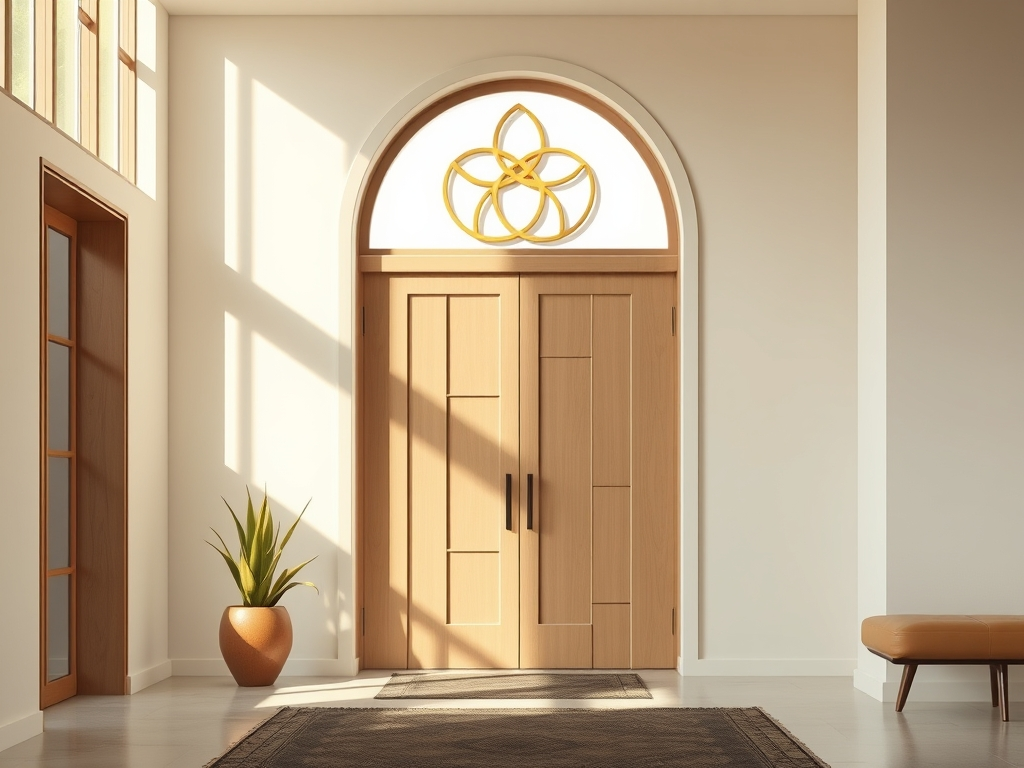
Metal is especially useful in rooms where people focus, decide, or organize. A home office benefits from a metal desk lamp, a metal tray for papers, or a slim metal shelf, because those objects support the room's purpose of clear work. The entryway also benefits from a small metal bowl for keys or a metal mirror frame, because the entry is where the day's choices begin. For a detailed look at the desk area, read Home Office Feng Shui for Focus.
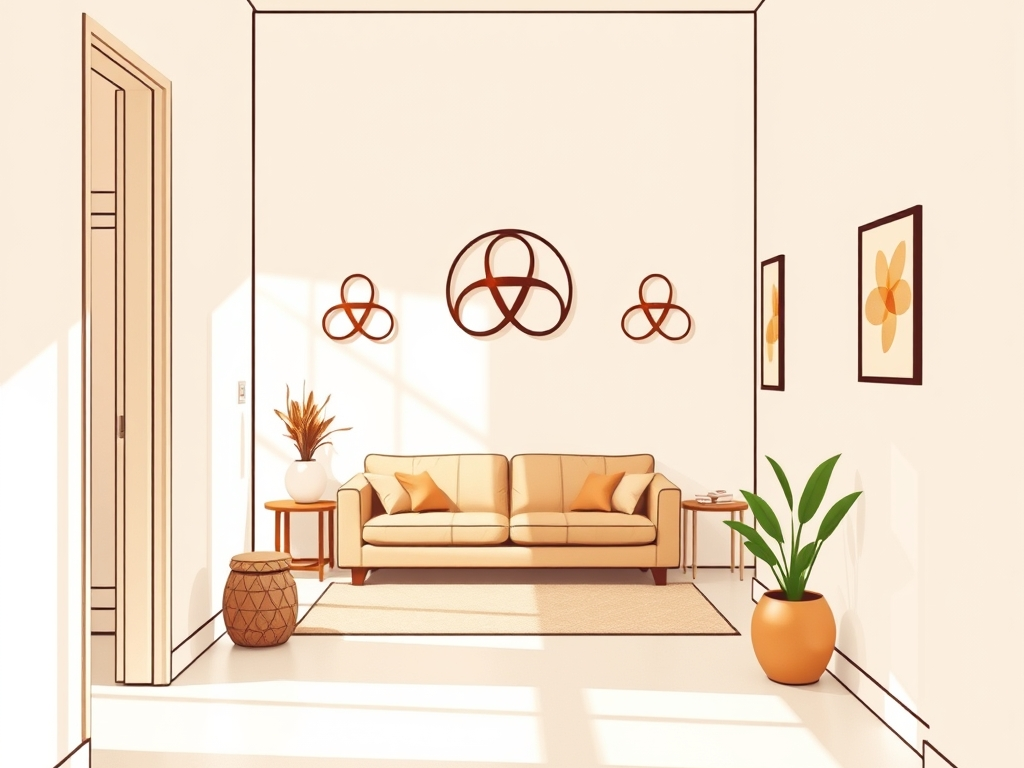
Metal can also correct a room that feels too soft or too diffuse. If a living room has only fabric, plants, and rounded furniture, one metal element, such as a thin floor lamp or a metal side table, can give the room a point of focus. The same logic applies in the other direction: a room full of sharp metal shelving will feel more comfortable when fabric and wood are added around it. The balancing act is described in What Makes a Space Feel Balanced.
A Checklist for Adding Metal Without Coldness
Use this checklist when you want more Metal-like clarity in a room:
- Add one metal object with a clear function, such as a lamp, a tray, or a picture frame, before adding decorative metal.
- Choose warm metal finishes, such as brass or soft gold, in rooms where you want warmth alongside clarity.
- Use metal to define edges: a mirror frame, a shelf rail, or a slim table leg can organize a space without bulk.
- Keep metal objects clean; the element's clarity disappears when surfaces are dusty or tarnished.
- Pair each metal piece with at least one soft material, such as a cushion, a plant, or a wooden surface.
- Test the room after a week and remove anything that feels decorative rather than useful.
The checklist keeps Metal functional rather than ornamental. In Feng Shui practice, an object that supports the room's activity is worth more than a collection of symbolic pieces, a principle explored further in Learn Feng Shui Without Superstition.
Common Misconceptions About Metal
The first misconception is that Metal makes a room cold. Metal does not create coldness by itself; the feeling of cold comes from too much metal and too little of everything else. One brass lamp on a wooden desk is warm, while an all-metal kitchen with steel surfaces and no textiles can feel clinical. The element is about precision, and precision can be warm when it is balanced.
The second misconception is that Metal belongs only in offices and kitchens. A small metal frame in a bedroom or a brass tray on a living-room table brings the same quality of order to rooms that are usually associated with softness. The third misconception is that Metal should be avoided wherever Wood is strong because the two elements conflict. In practice, a metal lamp on a wooden table is a common and useful pairing, and the relationship between the elements is about interaction, not prohibition. The mechanics of that interaction are explained in The Cycle of Creation and Control and How to Balance a Room with Too Much Fire.
Metal, Light, and Seasonal Review
Metal interacts strongly with light. A polished metal surface reflects light, which can open up a dark room, but too many reflective surfaces can create glare and visual noise. The practical rule is to limit metal surfaces in any single sightline: one reflective piece per area is usually enough. For the role of light in a room, see Feng Shui for Lighting and Airflow.
Seasonally, Metal is strongest in autumn, and its qualities of sorting and refining make it a natural element for the annual review many people do in September and October. You can support that rhythm by clearing one shelf, returning books to their places, and keeping the metal objects in the room clean and functional. The wider practice of seasonal adjustment is described in Seasonal Adjustments in Home Energy.
FAQ
Will metal decor make my home feel cold?
Only when metal is overused; one warm-finished metal piece paired with soft materials usually adds clarity instead.
Where should I put metal in a home?
Focus areas such as the desk, entryway, and shelves benefit most, because that is where order and decisions matter.
Is metal only for modern interiors?
No. Brass, bronze, and iron have been used in traditional interiors for centuries, and small amounts suit any style.
Do I need metal objects to have Metal in a room?
No. Clear paths, defined edges, and a sense of order express the same quality even without metal decor.