Wood is the easiest of the five elements to recognize in a home, because it appears in furniture, floors, frames, and plants. In Feng Shui, Wood is associated with growth, flexibility, and upward movement, which makes it a useful element for rooms where you want energy to feel alive without feeling chaotic. The practical question is not whether wood is good or bad, but where it helps and where it becomes too much. This article explains the role of Wood in home design and how to use it with restraint, building on the general placement framework in The Five Elements in Feng Shui Placement.
What Wood Represents
Wood in the five-element system is the element of spring: the season of sprouting, reaching, and new growth. Its qualities are usually described as flexible strength, because a young tree bends in the wind but returns upright. In a room, those qualities show up as a sense of liveliness, of things growing and changing rather than staying fixed. Rooms with a lot of Wood can feel refreshing and creative, and rooms with very little Wood can feel stiff or static.
It is important to remember that these qualities are descriptive, not verdicts. Wood does not make a person creative, and a wooden table does not guarantee a lively dinner. The element is a lens for looking at the atmosphere of a space: if a room feels stuck, adding Wood-like qualities such as plants, natural materials, or vertical lines may help it feel more mobile. The underlying five-element theory is explained in How to Use the Five Elements in Daily Life.
Where Wood Shows Up in a Home
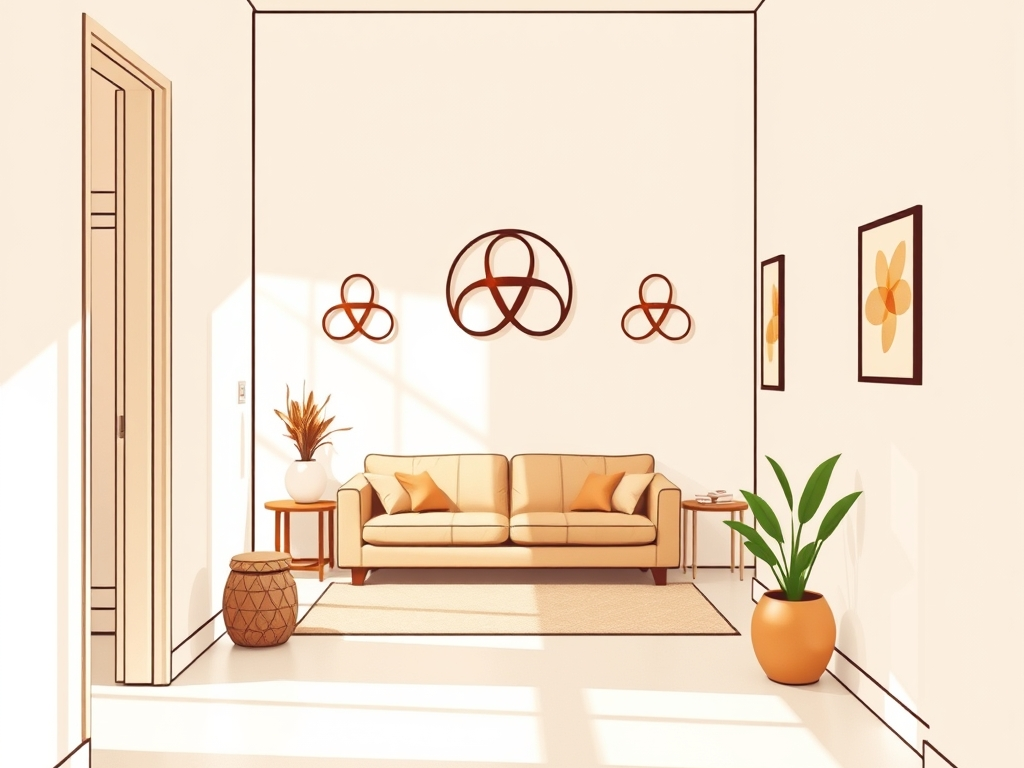
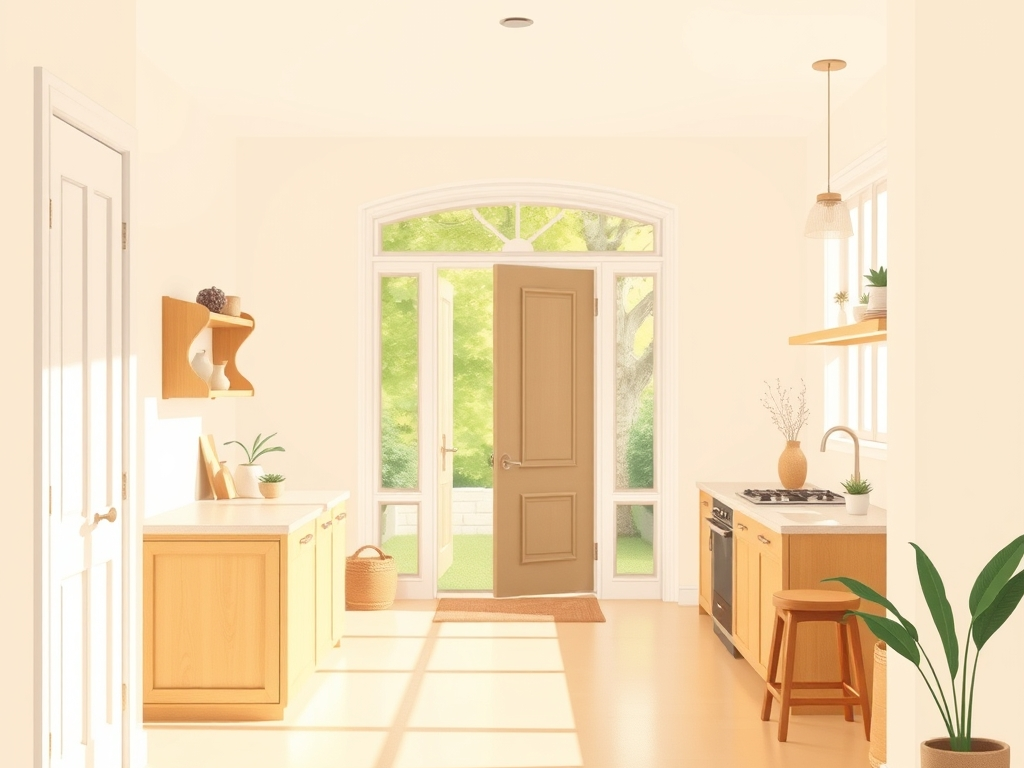
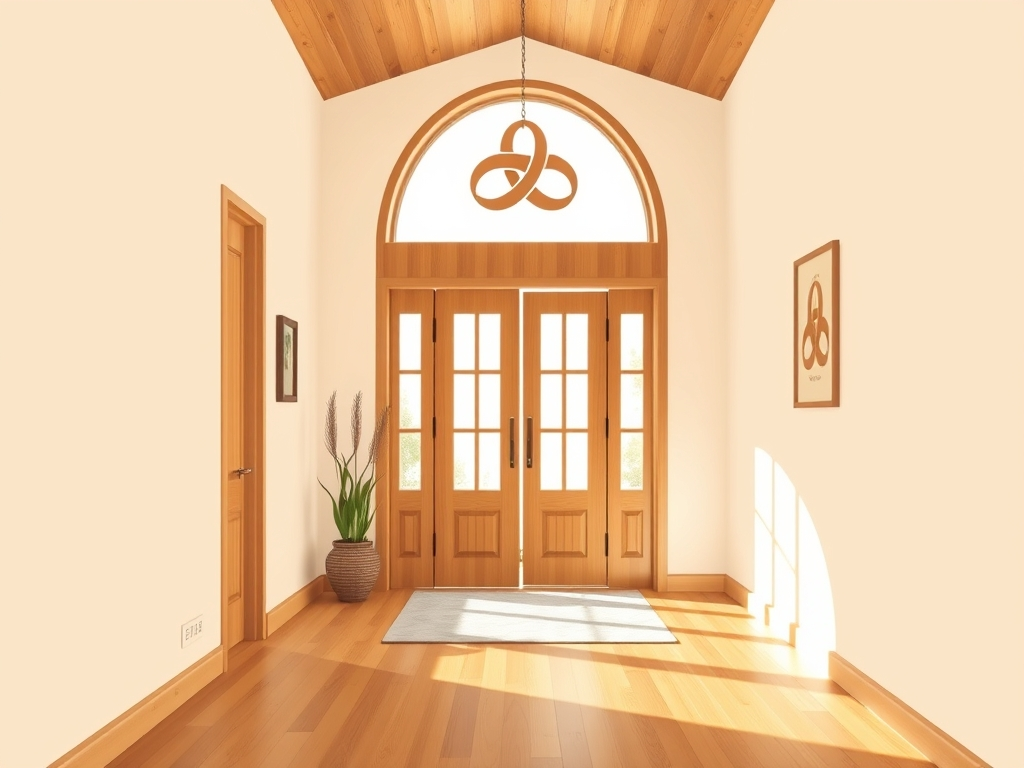
Wood appears in most rooms in three forms: materials, plants, and color or shape. Materials include wooden furniture, bamboo mats, rattan, and unfinished wood tones. Plants are the most obvious living Wood, and they bring growth into the room literally. Color and shape include greens, vertical lines, and tall or column-like forms such as bookshelves and curtains that run to the floor.
Each form has a different practical effect. A solid wooden table adds warmth and durability; a climbing plant adds softness; a tall bookcase adds vertical energy to a room with a low ceiling. The mistake is to add all forms at once. A room stuffed with plants, wood, and green paint can feel restless, like a room that never settles. Choose one dominant form per room and let the others appear as accents, a principle also explored in Feng Shui for Small Spaces.
A Checklist for Adding Wood Without Clutter
Use this checklist when you want to bring more Wood-like quality into a room:
- Pick one surface to change first, such as a wooden tray on the coffee table or a bamboo mat in the hallway.
- Choose plants that you can actually maintain; a healthy plant is Wood, and a neglected one becomes clutter.
- Look for vertical lines: curtains, tall lamps, or a bookshelf can raise the eye in a room with a low ceiling.
- Add green in small amounts, as a cushion, a vase, or a plant, rather than repainting the whole room.
- Check the balance: if the room already has wood floors and a wood table, add other materials instead of more wood.
The checklist keeps the change concrete and reversible. You can test whether Wood is helping a room by making one small change and living with it for a week, then comparing how the room feels. This kind of testing is the core of the practical approach described in What Makes a Space Feel Balanced.
Common Misconceptions About Wood
The first misconception is that more Wood is always better in the growth areas of the home. Every element needs balance, and a room overwhelmed by Wood can feel scattered, like a space that never completes a project. The second misconception is that Wood belongs only in green or plant-filled rooms. A room with wood furniture but no plants still has Wood; the element is a quality, not a checklist of objects.
The third misconception is that Wood conflicts with Metal and therefore metal objects must be removed from a wooden room. In the five-element cycle, Metal does control Wood, but control in this system describes a relationship, not a ban. A small metal lamp on a wooden desk is a normal and often useful combination, because the metal object adds clarity to the growth the wood provides. For the way these relationships work, read The Cycle of Creation and Control and How to Balance a Room with Too Much Fire.
Wood and Seasonal Change
Wood is the element of spring, and its presence in a room can be adjusted with the seasons. In spring, adding a few green accents or opening windows to bring in fresh air supports the seasonal quality of renewal. In late summer, when the season is associated with Earth, a room may feel better with more stone, ceramics, and warm neutral tones than with additional plants.
Seasonal adjustment is a reminder that the five elements describe change rather than fixed decoration rules. The same room can shift its emphasis through the year without a single piece of furniture being replaced. For a practical system of seasonal review, see Seasonal Adjustments in Home Energy.
One useful way to test the element is to change a single detail at the start of a season and observe the room for two weeks. In spring, you might move a plant closer to the main seating area or replace a dark curtain with a lighter green one; in autumn, you might remove one plant and add a wooden tray for keys and mail. Keep the change small enough to reverse, because the goal is to learn what the room needs rather than to commit to a new design. If the room feels more alive without becoming restless, the Wood quality is working; if it feels cluttered, reduce the number of objects and keep only the ones with a clear function.
FAQ
Do I need plants to add Wood to a room?
No. Wooden furniture, bamboo, vertical lines, and green accents all carry the same quality.
Can a room have too much Wood?
Yes. Too many plants and wooden objects can make a space feel restless, so choose one dominant form per room.
Is green the only Wood color?
Green is the most direct color, but natural wood tones and vertical shapes also express the element.
Should I remove metal objects from a room with wood?
No. The Metal-and-Wood relationship describes interaction, not prohibition, and small metal accents are usually helpful.