A balcony sits between two worlds. It belongs to the home, yet it is open to the sky; it is outside, yet it is part of the rooms it touches. In feng shui, spaces like this are called transition spaces, and they deserve attention because they control how the outside enters the inside. A neglected balcony lets the home feel cut off from fresh energy; a cluttered one lets chaos read as the first impression; a cared-for one gives the home a breathing edge. If you are new to the practice, start with Feng Shui Without Superstition.
This article explains how to read a balcony as a transition space, what to arrange there, and how to keep it useful in a small home.
Why Transition Spaces Matter
Every room has edges, and the edges set the tone for what happens inside. The front door is the famous edge, but the balcony is the quiet one: it connects the home to weather, light, and the street, and it passes those qualities into the rooms it touches. When the balcony is tidy and intentional, the rooms feel lighter; when it is a storage spill, the rooms feel heavier.
The principle is not decorative. It is about how the home receives the world, which is the same concern that governs doors and windows. For the front edge of the home, read Entryways, Doors, and First Impressions.
Three Jobs of a Balcony
A balcony usually performs three jobs, and the layout should make them explicit.
- Ventilation: it lets air move between inside and outside.
- Light: it brings daylight and the sky into the adjacent room.
- Rest: it offers a small place to stand outside without leaving home.
When the balcony cannot do any of these because it is full, the home loses all three at once. For how airflow shapes a home, see Feng Shui for Lighting and Airflow.
What to Put on a Balcony
Keep the balcony close to its nature: plants, a seat, and nothing that cannot handle weather. A single chair and one small table give the space a purpose; two or three plants give it life; a doormat inside the threshold keeps the transition clean.
- One or two plants, matched to the light the balcony receives.
- One seat if the size allows, even a folding one.
- One small surface for a cup or a book.
- Nothing that blocks the view or the light.
The short list keeps the balcony a transition instead of a second storage room. For how plants fit into the wider arrangement, read The Five Elements in Feng Shui.
A Five-Step Balcony Reset
If the balcony has become storage, reset it in an afternoon.
- Clear everything off the balcony and sweep it.
- Sort what came off into keep, move inside, and discard.
- Choose one seat and one small table, and place them.
- Add plants only where they get the light they need.
- Use the space once in the first week, even for ten minutes.
The reset gives the space a chance to earn its place. For the weekly maintenance version of this, read A Weekly Feng Shui Reset.
When Space Is Tight
In a small home, the balcony is precious, and the temptation is to fill it. Resist. A narrow balcony with one chair and one plant does more work than a wide one crowded with furniture. If the balcony must hold storage, use a single low container with a lid, and keep it below the line of sight so the space still reads as open.
The transition works when the eye can move through it. For how the layout of small spaces changes the feel, read Feng Shui for Small Spaces.
Keeping the Edge Alive
A balcony is a living edge: it needs the seasons to pass through it. Change the plants with the light, open the door on mild days, and let the space be used rather than admired. A transition that is used keeps the home connected to the world; one that is merely decorated closes the same connection.
For how the seasons adjust the home's energy, read Seasonal Adjustments in Home Energy.
It is worth adding that a balcony does not need to be large to do its job. A narrow ledge with one potted plant and a single stool still connects the home to the outside, and a tiny balcony that is used every day outperforms a wide one that is never entered. The measure of the space is not its square metres but its use, which is true of every transition space in the home. If the balcony has become a view rather than a room, one small change, a chair, a plant, or simply clearing the floor, is enough to bring it back into the life of the household.
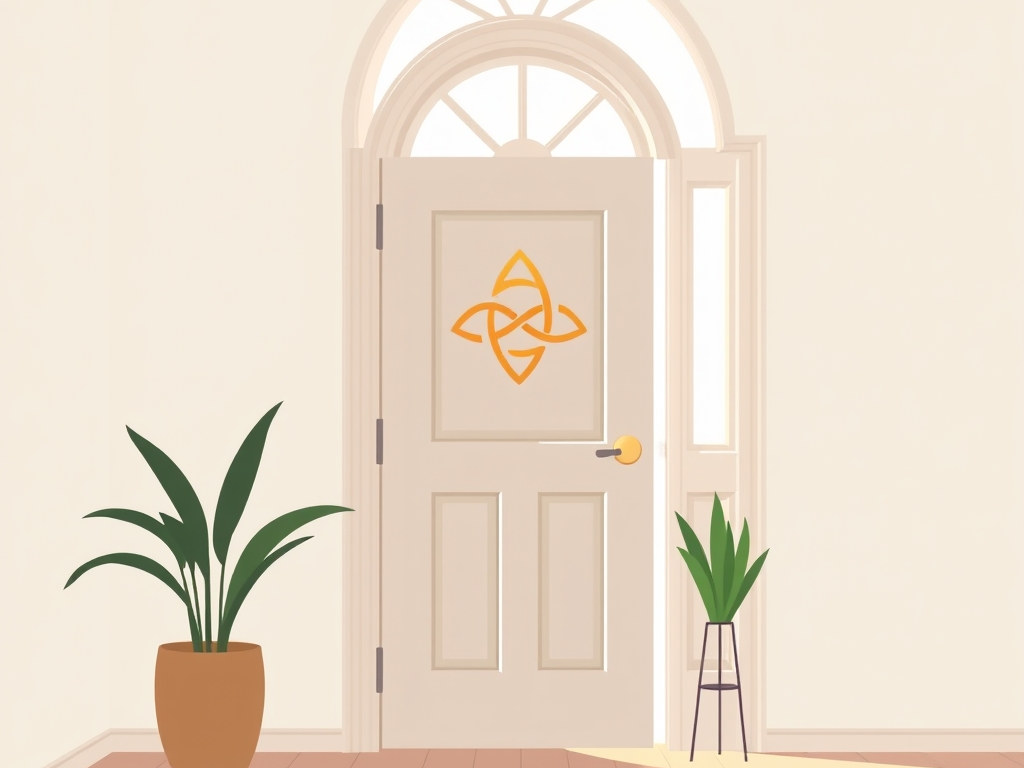
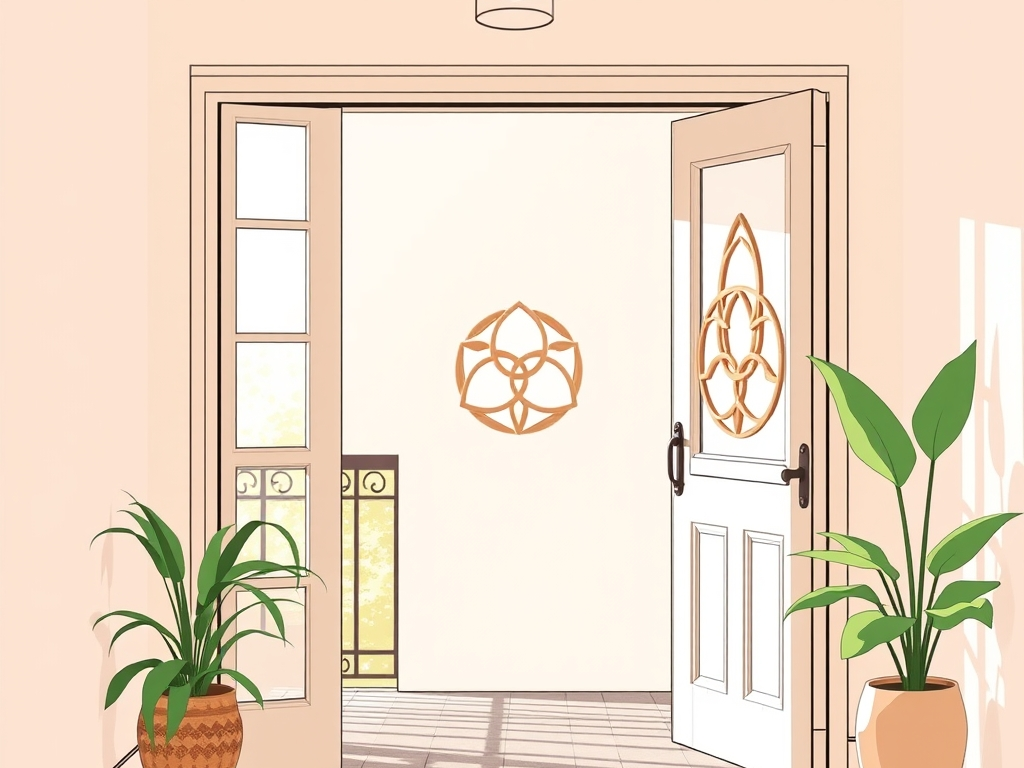
The same principle applies to the door that connects the balcony to the room behind it. Keep the door easy to open, the threshold clear, and the curtain light, so the transition stays inviting rather than effortful. A balcony that requires moving three items to reach is a balcony that will not be used, and an unused transition closes the home's connection to the sky. The goal is not decoration but access, and access is maintained by keeping the path short and the space ready.
Balcony Use Across the Year
A balcony earns its place when it is used in every season, not only in mild weather. In spring, it can be the first place you take coffee as the light returns. In summer, it becomes an evening room, which is often when it does its best work. In autumn, it holds the last warm hours before the windows close. In winter, it may be a view rather than a room, and that is a legitimate use too: a cleared edge that lets light in and keeps the connection to the sky.
Matching the balcony to the season keeps it from becoming either a summer-only novelty or a permanent storage spot. Change the plants with the light, move the seat when the sun moves, and keep the threshold clear so the transition stays open. The seasonal rhythm is the traditional part of the practice, and a balcony that follows it feels alive in a way that no fixed arrangement can match.
FAQ
Is a messy balcony bad feng shui?
It mostly matters because it blocks the transition between outside and inside, dimming light and air for the rooms behind it.
Do I need plants on a balcony?
No, but plants are the easiest way to give it life; one plant matched to the light is enough.
Can a balcony be used as storage?
Occasionally, but keep it low, lidded, and below eye level so the space still reads as open and breathable.
Does the direction of the balcony matter?
It affects light and weather exposure, which is worth matching to what you plant and how you use the space.