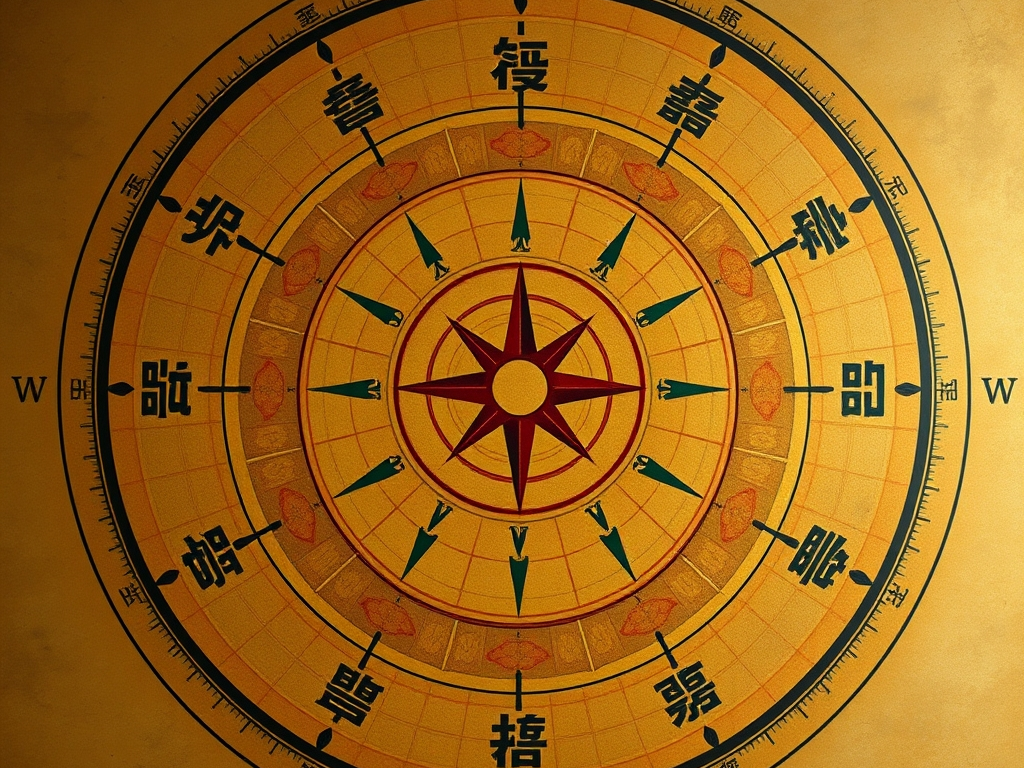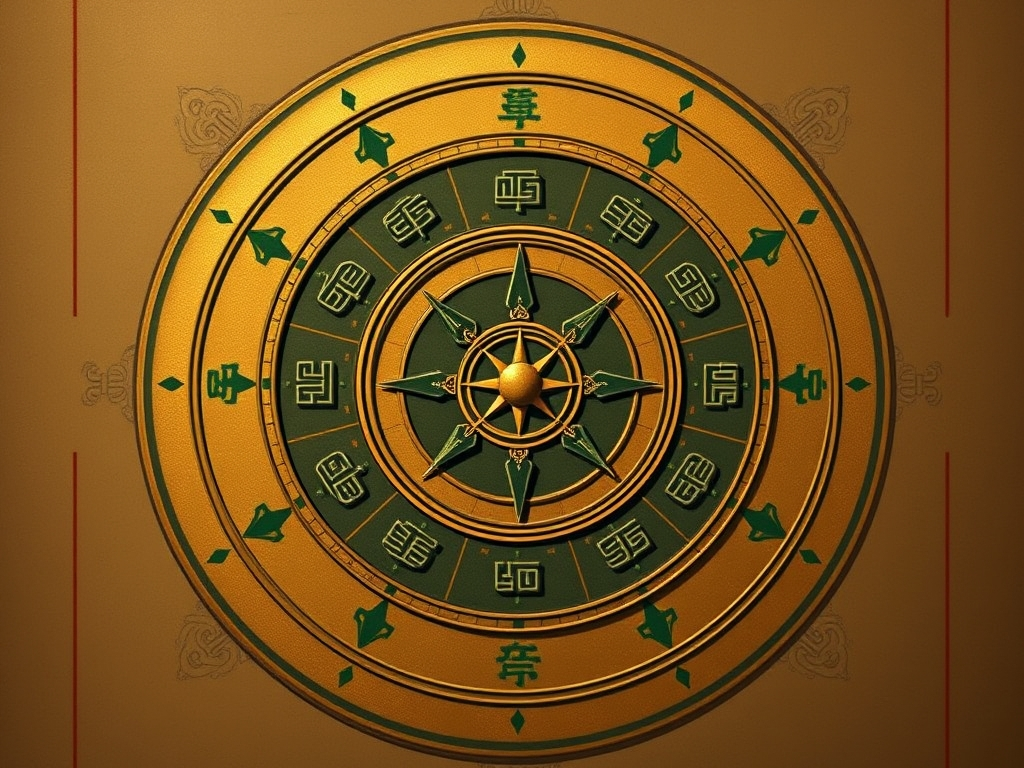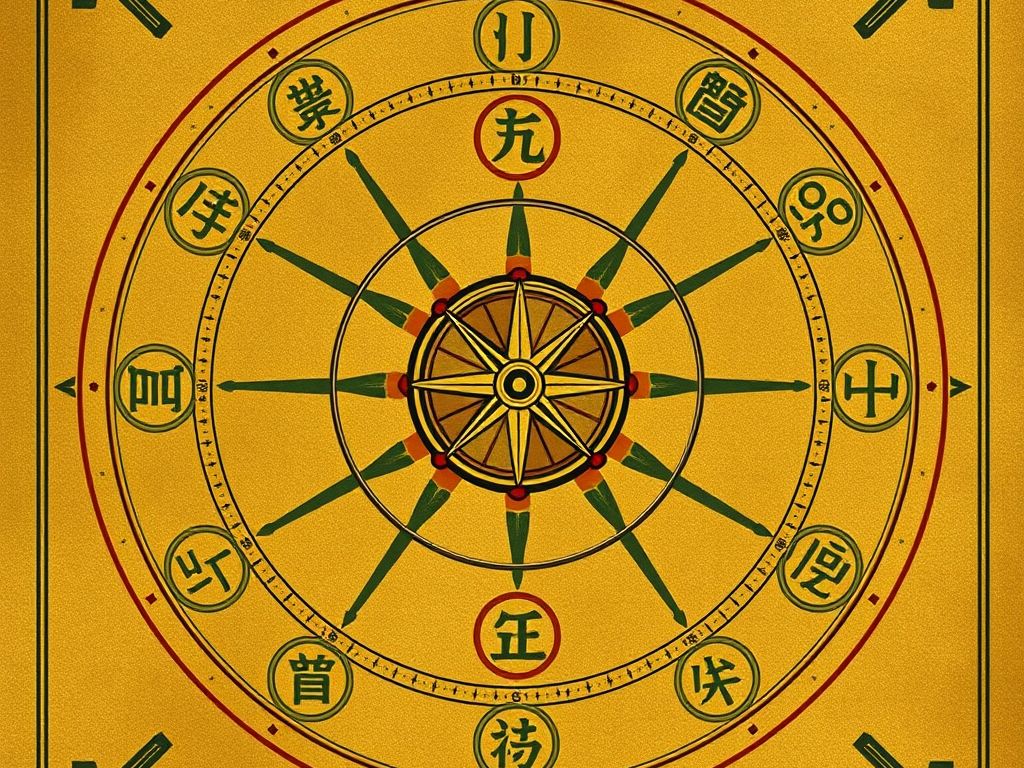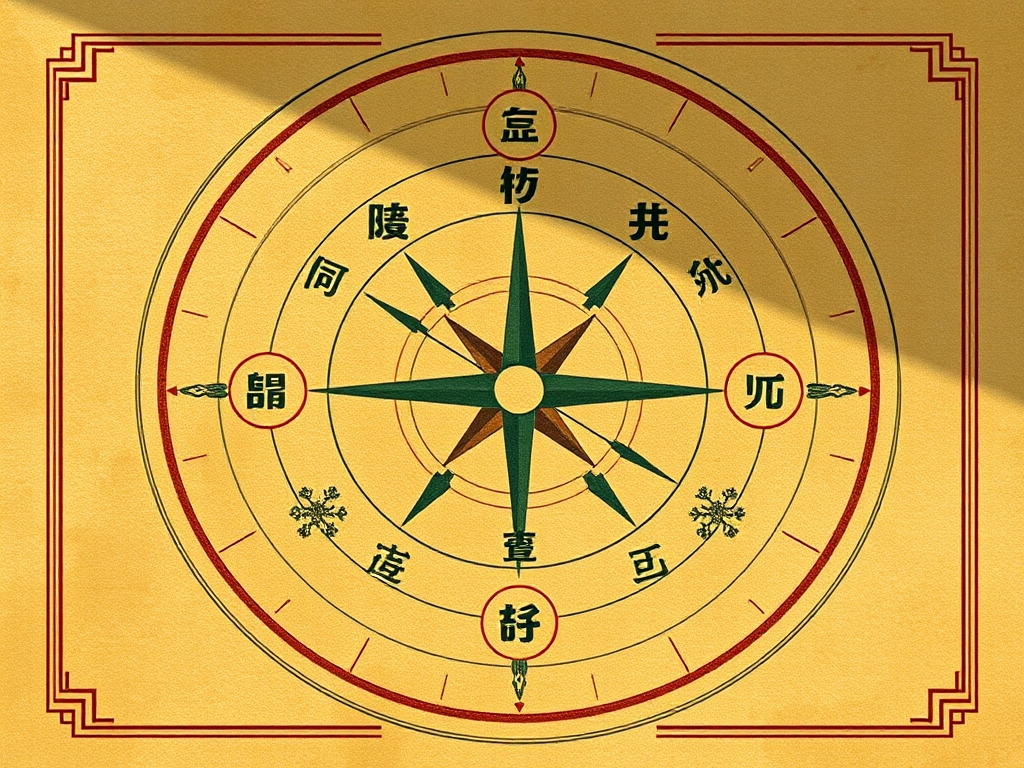
Every Qimen chart contains nine stars, one for each palace, and beginners often assume these stars are the most mysterious part of the system. In practice, the stars are descriptive labels for the tone of a palace, similar to the way a weather word describes a day. The names sound poetic, but each star carries a practical meaning about energy, pace, and the kind of activity that fits a situation. Reading them plainly is a skill you can build in an afternoon.
If you need the full layout first, read The Nine Palaces in Qimen Explained, because stars live inside the palace grid.
The Stars as Tones, Not Personalities
The nine stars in Qimen are Tianpeng, Tianrui, Tianchong, Tianfu, Tianqin, Tianxin, Tianzhu, Tianren, and Tianying. Each one is associated with an element and a set of behavioral qualities. Tianpeng, for example, is linked to Water and expansive, sometimes restless energy. Tianxin is linked to Metal and the ability to plan, protect, and manage details. Tianying is linked to Fire and visibility, speed, and excitement.
The key is to treat a star as describing the character of an activity or situation, not the personality of a person. A strong Tianpeng in a palace may suggest large-scale movement that needs monitoring; a strong Tianxin may suggest careful coordination. For the companion layer of doors, see The Eight Doors in Qimen and What They Mean.
How Stars Change with Time
Stars are not fixed to a palace forever. They rotate with the time element of the chart, so the same palace can host a different star at a different hour or day. This rotation is what makes Qimen a timing system: the arrangement of stars is a snapshot of a moment, and it changes as the moment changes. That is why a question asked in the morning can produce a meaningfully different chart from the same question asked at night.
For a beginner, the practical implication is simple: if a star seems important to your question, check how long that arrangement lasts before deciding how much weight to give it. Timing details like this are covered in Qimen Timing: Why the Moment Matters.
A Reading Checklist for the Stars
Use this checklist the next time you open a chart:
- Find the star in the palace that represents your question.
- Name its element and translate it into a plain quality, such as growth, clarity, or excitement.
- Ask whether that quality supports or complicates the action you are considering.
- Compare the star with the door and the deity in the same palace.
- Write one sentence: "This palace suggests X, which means I should consider Y."
The sentence turns the symbol into a decision aid. If the star suggests expansive movement but the door suggests waiting, the chart is asking you to reconcile those signals before acting. For the full set of symbols in a palace, read Doors, Stars, and Deities in Qimen.
Common Misconceptions About the Stars
The first misconception is that a "bad" star makes the outcome bad. Stars describe conditions, and a demanding star can be managed with better preparation. The second is that each star has one fixed meaning. The same star reads differently depending on its palace, the time, and the question; context is everything. The third is that you must memorize all nine before reading anything, which is false and unnecessarily discouraging.
If you learn two or three stars well and then add the rest gradually, you will read more accurately than someone who memorized all nine names without context. That gradual approach is also how experienced readers work with the rest of the chart. For common beginner errors, see Common Qimen Mistakes for Beginners.
Stars in a Practical Example
Imagine a chart for the question "should I move forward with a new initiative this week?" The relevant palace shows Tianying, the Fire star, which suggests visible, energetic action, paired with a door that suggests movement. A plain-language translation would be: this week favors launching and being seen, with the caveat that Fire energy can burn out without structure. The advice is not "yes" or "no" but "if you act, plan for energy management."
That is the difference between using a chart and being used by it. The chart sharpens the conditions; you make the decision. For more on comparing options, see Using Qimen to Compare Two Options and How to Use Qimen Without Creating Anxiety.
How to Remember the Stars by Their Element
Instead of memorizing nine names, learn the stars by their elements, because the element carries most of the practical meaning. The Water star suggests expansion and flow that need monitoring. The Fire star suggests visibility and speed that need boundaries. The Metal star suggests clarity and structure. The Wood star suggests growth and initiative. The Earth stars suggest stability and support. Once the element is attached, the poetic name becomes a label for a quality you already understand.
Try this drill: for each of the nine stars, write one plain sentence that begins "this star suggests..." and ends with a condition, such as "momentum that needs a plan" or "clarity that needs a decision." The drill forces you to unpack the symbol instead of memorizing it, and the unpacked versions are what you will actually use when reading.
You can complete the drill in ten minutes with the nine names in front of you. After three or four repetitions, the associations become automatic, and the stars stop being the most intimidating layer of the chart.
FAQ
Are the nine stars the most important part of a Qimen chart?
They are one layer; doors, deities, and stems carry at least as much weight in most readings.
Do the stars describe people?
They describe the tone of a situation or activity, not a person's character.
How often do the stars change position?
The arrangement follows the time element, so it changes with the hour and the day.
Can I ignore the stars as a beginner?
You can start with doors and palaces, but stars add the nuance that makes timing readings useful.