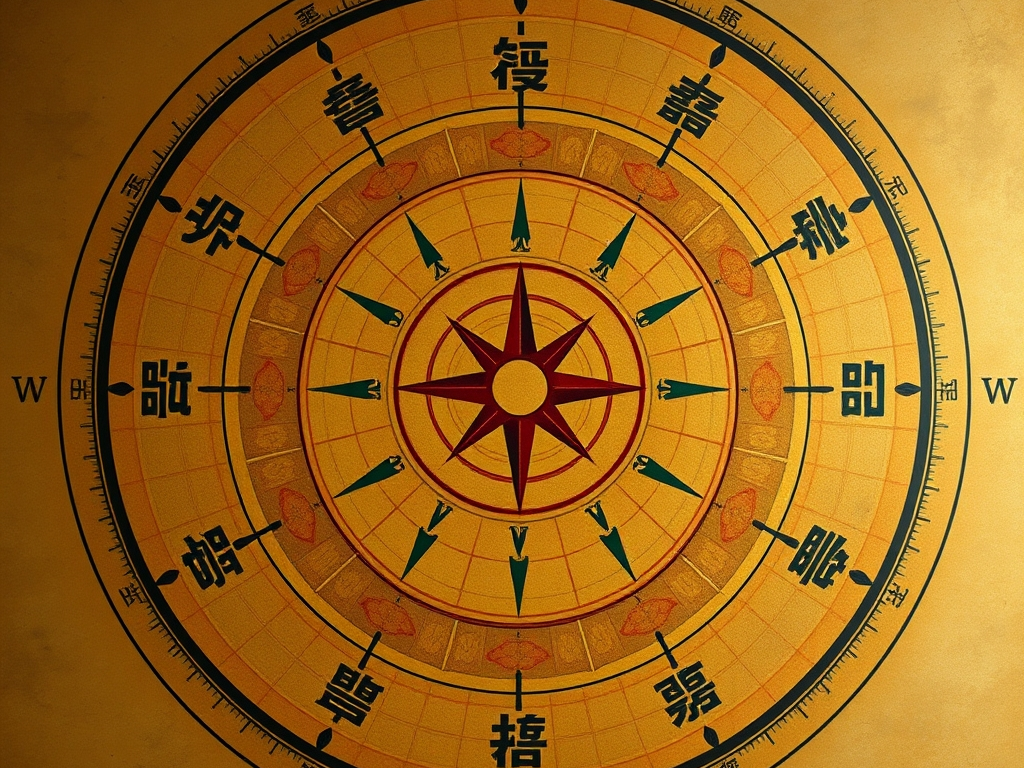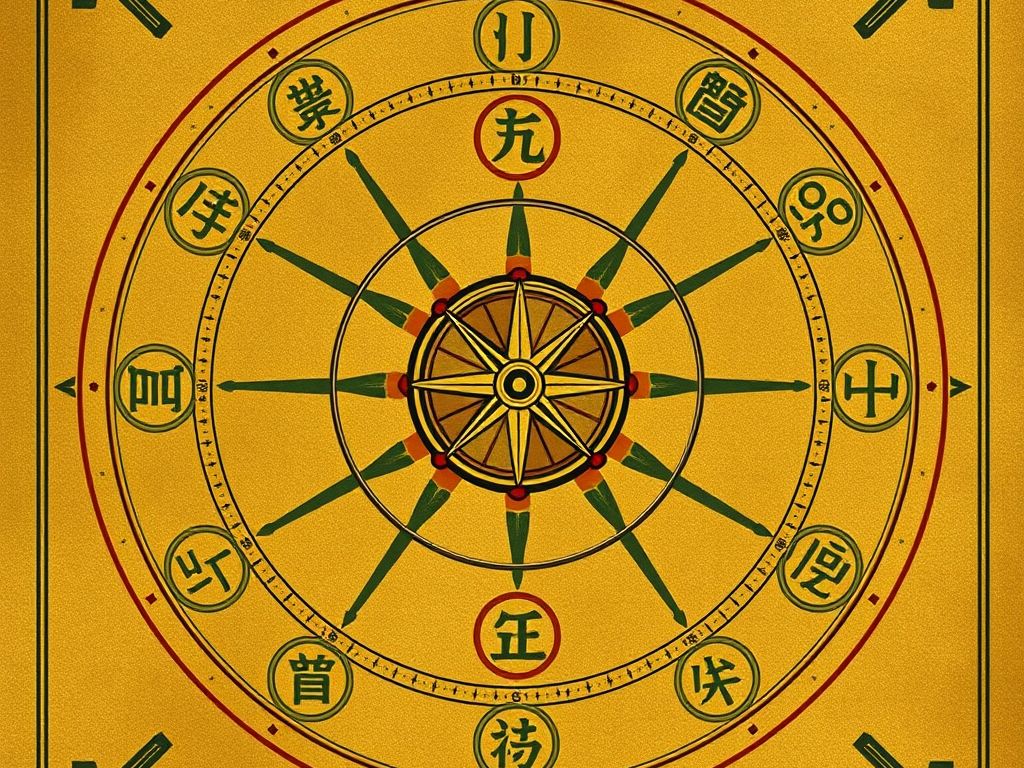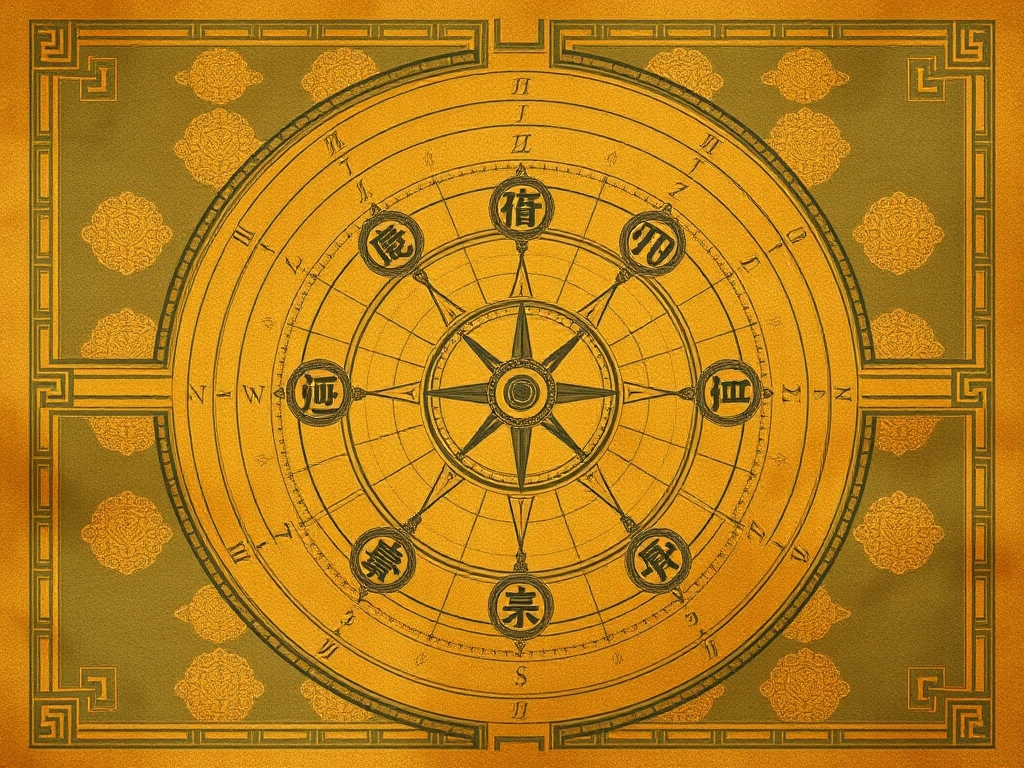
Qimen Dunjia is often described as a timing system, and that description is accurate in a way that surprises beginners. The chart is not a fixed portrait of a person; it is a snapshot of a moment in time and space. Change the moment, and the chart changes with it. That is the entire reason Qimen is used for questions like "when should I move," "when should I wait," and "which direction suits this plan."
Before exploring timing, it helps to understand what the chart contains, so start with What Is Qimen Dunjia? A Grounded Introduction.
Time as the Input, Not the Output
Most people think of a reading as producing a time: "the chart says Tuesday." In Qimen, time is the input. The stems and branches of the current hour are built into the chart, which means the chart is a description of now. When someone asks about a future window, the reader does not consult a fixed calendar of good days; they generate charts for candidate moments and compare what each chart describes.
That difference matters because it changes what a reading can honestly claim. A chart for Tuesday morning may show open movement and helpful doors; a chart for Thursday afternoon may show waiting and hidden complications. The comparison is a decision aid, not a promise that Tuesday will work. For the mechanics of comparison, see Using Qimen to Compare Two Options.
Why the Hour Matters Most
Although the year and month set the background, the hour carries the most weight in practical timing. The hour stem and branch determine the active pattern, and small changes in time can shift which doors and stars are in play. This is why precise time matters for Qimen questions the same way it matters for BaZi charts: a difference of an hour can produce a meaningfully different reading.
The practical lesson is to fix the question and the location before choosing a time, then compare charts across candidate windows. For the role of the hour in reading, see The Role of the Hour in Qimen Reading.
A Timing Checklist for Decisions
Use this checklist when timing a decision with Qimen:
- Write the decision and the location before looking at any chart.
- List two or three candidate windows, such as morning, afternoon, or a specific day.
- Generate or calculate a chart for each window.
- Translate each chart into plain conditions: open, waiting, hidden, structured, or urgent.
- Choose the window whose conditions best fit the kind of action you need.
The checklist keeps timing grounded. You are not searching for a "lucky" hour; you are comparing descriptions of conditions and choosing the best fit. For the underlying palace structure, read The Nine Palaces in Qimen Explained.
Common Misconceptions About Timing
The first misconception is that a good moment guarantees a good outcome. Timing improves conditions; execution still determines results. The second is that Qimen produces one right answer for everyone. The same hour can be excellent for one kind of action and poor for another, which is why the question and the action must be defined first. The third is that timing is only for big launches; the same discipline applies to conversations, submissions, and travel.
Misconceptions like these usually come from treating the chart as an oracle rather than a map. For the responsible framing of what Qimen can and cannot do, read Is Qimen Fortune Telling?.
Timing and the Art of Waiting
One of Qimen's most practical messages is that waiting is a form of timing. A chart that shows closed doors and hidden complications is not a failure; it is information about the current conditions. Acting against those conditions is possible but costly, and the mature response is often to prepare while waiting for a window that fits. That discipline is described in Qimen and the Art of Waiting.
Waiting well means using the period productively: gathering information, building relationships, and preparing materials so that when the window opens, the action can move quickly. This turns timing from superstition into project management. For the broader relationship between timing and effort, see The Relationship Between Timing and Effort.
Keeping a Timing Journal
The fastest way to learn timing is to keep a small journal of decisions and the charts around them. For each decision, record the question, the window you considered, the chart's description of each window, and the outcome you actually experienced. The journal does not need to be long; five lines per decision is enough. Over two or three months, you will have a sample of real comparisons instead of theories.
The value of the journal is that it separates the chart's contribution from everything else. If a window described as open produced a stalled outcome, the journal shows that the conditions were favorable but the execution or the external environment failed. If a window described as difficult produced a smooth outcome, the journal challenges your reading. Both results improve your judgment.
Review the journal monthly and look for one pattern: which descriptions tend to hold and which tend to mislead. That single pattern is worth more than any memorized rule, because it is calibrated to your own questions and your own environment.
A second habit strengthens the journal: compare two windows for the same decision at least once a week, even when you are not deciding anything important. The comparison builds the muscle of reading differences, and the muscle is what you need when a real choice arrives. Timing skill, like any skill, improves faster with deliberate practice than with occasional use.
FAQ
Does Qimen tell me the best time for anything?
It compares conditions across candidate times; the best fit depends on the action and your situation.
Why do charts change so quickly?
Because the hour is a core input, and each hour produces a new arrangement of symbols.
Can I time a conversation the same way as a launch?
Yes, the process is the same; only the question and the relevant palaces change.
What should I do if every window looks difficult?
Treat that as a signal to prepare rather than abandon; waiting is a legitimate timing strategy.