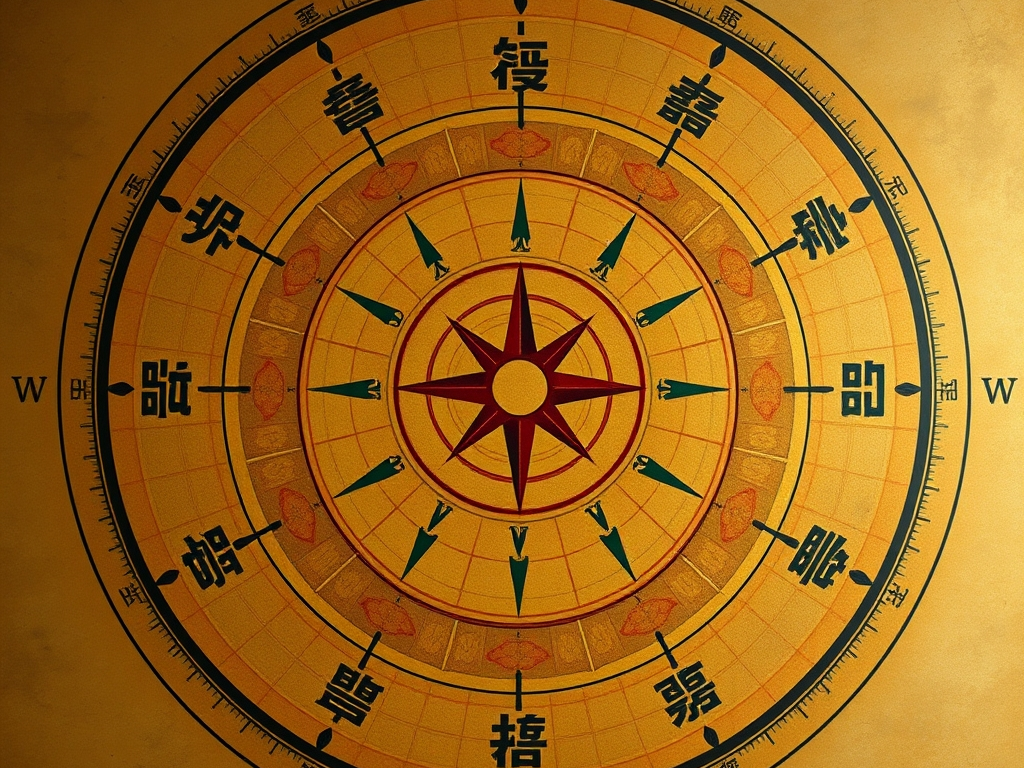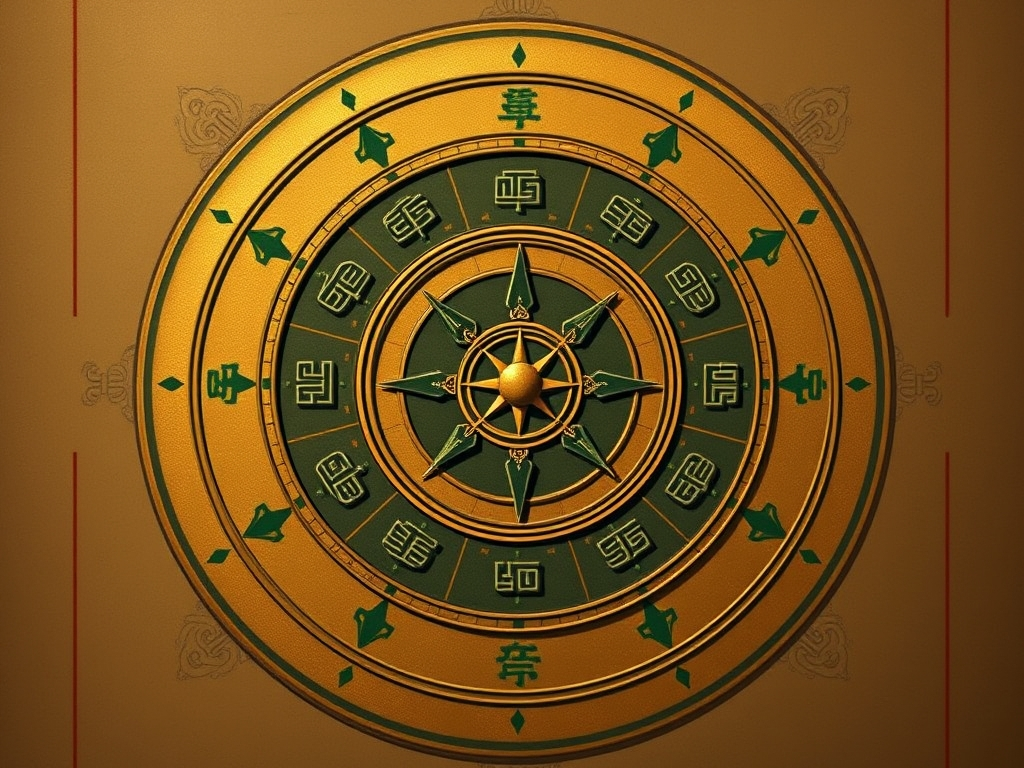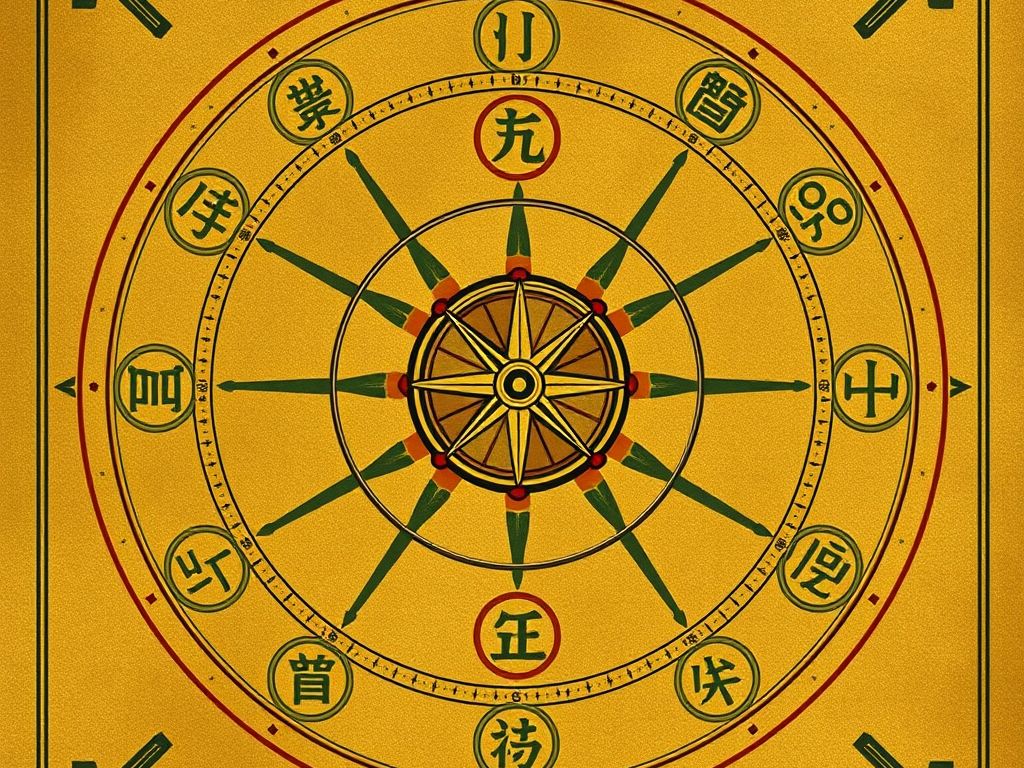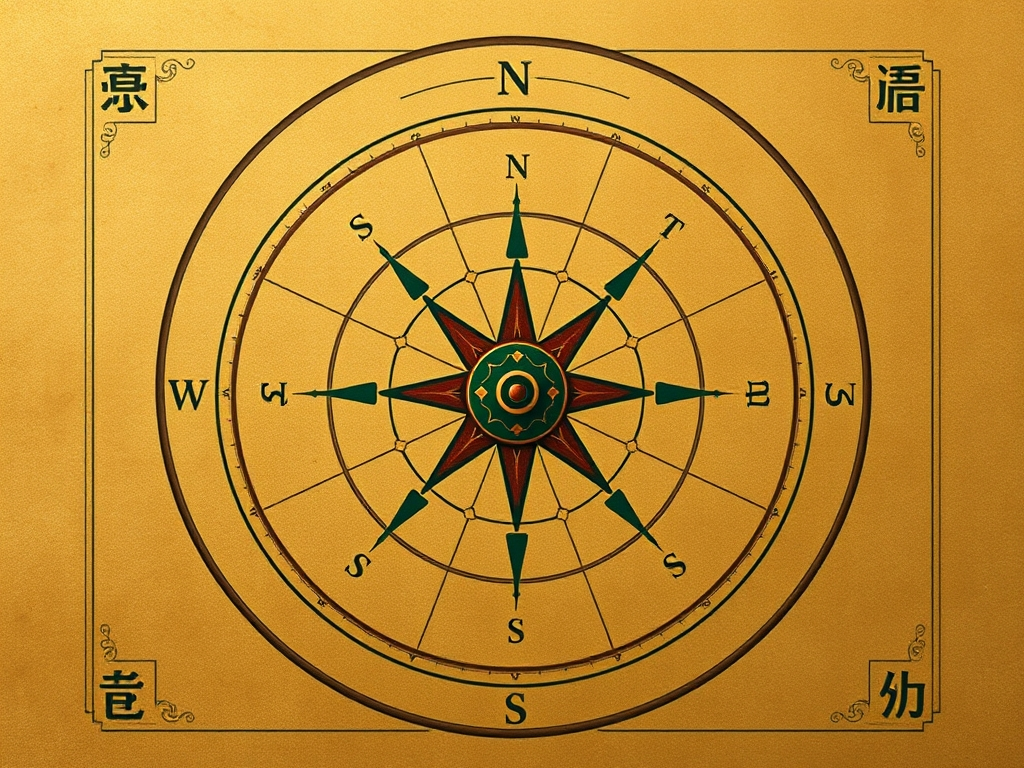
When people look at a Qimen Dunjia chart for the first time, the nine palaces are usually what catches the eye: a three-by-three grid with doors, stars, and deities scattered across it. The grid can look like decoration, but it is actually the chart's operating system. Every symbol in Qimen earns its meaning from the palace it occupies, and learning to read the palaces is the difference between recognizing symbols and understanding a situation.
The nine palaces are rooted in the Lo Shu square, an ancient arrangement of the numbers one through nine in which every row, column, and diagonal sums to fifteen. The center palace holds the number five, and the eight surrounding palaces correspond to the eight directions and the eight trigrams. In a chart, the palaces become places where the day's energies are distributed, and their positions shift with the season and the hour.
The Eight Palaces Around the Center
Each directional palace carries a trigram, an element, and a season. Kan in the north is Water and winter; Gen in the northeast is Earth and the turn toward spring; Zhen in the east is Wood and spring; Xun in the southeast is Wood and early summer; Li in the south is Fire and summer; Kun in the southwest is Earth and the turn toward autumn; Dui in the west is Metal and autumn; and Qian in the northwest is Metal and the turn toward winter. These associations give each palace a default flavor before any symbols are placed.
The center palace is different. It holds the position of the day's chart and acts as a pivot, but in most practical readings the emphasis falls on the eight surrounding palaces, because they describe concrete directions and life areas. A door in the southern palace is read differently from the same door in the northern palace, because the palace changes the context. For the base grid and its symbols, see The Nine Palaces in Qimen.
How Palaces Organize a Reading
In a Qimen chart, the practitioner places the day and hour information into the grid, then reads the result palace by palace. The palace that holds the question's focus, such as the palace of the person, the location, or the matter in question, becomes the starting point. The symbols in that palace describe the current state, while the symbols in related palaces describe supporting or opposing forces.
This is why Qimen readings feel spatial. A question about a job offer becomes a question about where the offer sits in the grid: which direction it occupies, which door accompanies it, and which star presides. The spatial arrangement is not decoration; it is the method. For a complete walkthrough of how a chart is built, read How a Qimen Chart Is Calculated.
A Checklist for Reading a Palace
You can practice palace reading with a short checklist, even before you memorize every symbol:
- Identify the palace that represents the question: the person, the place, or the matter.
- Name the palace's direction, element, and season as a baseline.
- List the door, star, and deity that occupy the palace.
- Check which element controls or supports the palace's native element.
- Compare the palace with the one directly opposite for tension or balance.
The checklist turns an overwhelming grid into five concrete observations. Practice with past decisions first: build charts for choices you already made and see which palace matched the outcome. For guidance on asking questions that produce useful charts, read How to Ask a Useful Qimen Question.
Common Misconceptions About the Palaces
The first misconception is that the nine palaces are fixed positions on a map. They are not; the symbols rotate into different palaces depending on the hour and season, which is why the same question at different times produces different grids. The second misconception is that the center palace is always empty or unimportant. It holds the pivot of the reading and can carry meaning when the day's chart places a key symbol there.
The third misconception is that a palace is good or bad on its own. A challenging symbol in a supportive palace can read very differently from the same symbol in a hostile palace. Context always comes first. For the tone-setting symbols that color each palace, read The Eight Gods and the Tone of a Chart.
Palaces in Daily Decision-Making
The palaces become practical when they are tied to real choices. A question about travel points to the direction of the destination; a question about a new home points to the property's location; a question about a meeting points to the place where it will happen. The palace that matches the real-world place carries the relevant symbols, and the reading compares that palace with the one holding the questioner.
This is also where the limits of direction-based advice appear: palaces describe emphasis and tendency, not guarantees about traffic or weather. The value is in seeing which aspect of a plan is likely to need attention. For more on this boundary, read Qimen Time and Direction and Favorable Directions in Qimen.
A Worked Example
Suppose a question about whether to accept a job in the northeast arrives in a chart where the northeast palace holds a favorable door and a supportive star, while the palace of the questioner holds a clashing deity. The reading would describe the opportunity itself as well-supported, while flagging that the questioner is entering the decision under internal pressure. The practical advice is not "take the job" but "resolve the pressure before committing."
That is the palace method in action: location, symbols, and relationships combine into a condition, not a command. For more examples and the language of the symbols, browse the Qimen library or start with What Is Qimen Dunjia?.
FAQ
Do the nine palaces change between charts?
Yes. The positions of the symbols rotate according to the hour and season, so the same grid framework holds different content.
Is the center palace ever read?
It can be, especially when the day's arrangement places a key symbol there, but most practical readings focus on the eight surrounding palaces.
Do I need to memorize all nine palaces to use Qimen?
You need their directions, elements, and seasons as a baseline; the symbols and their interactions are learned through practice.
Can a palace tell me the exact outcome of a decision?
No. A palace describes conditions and tendencies; the outcome still depends on how you act on them.