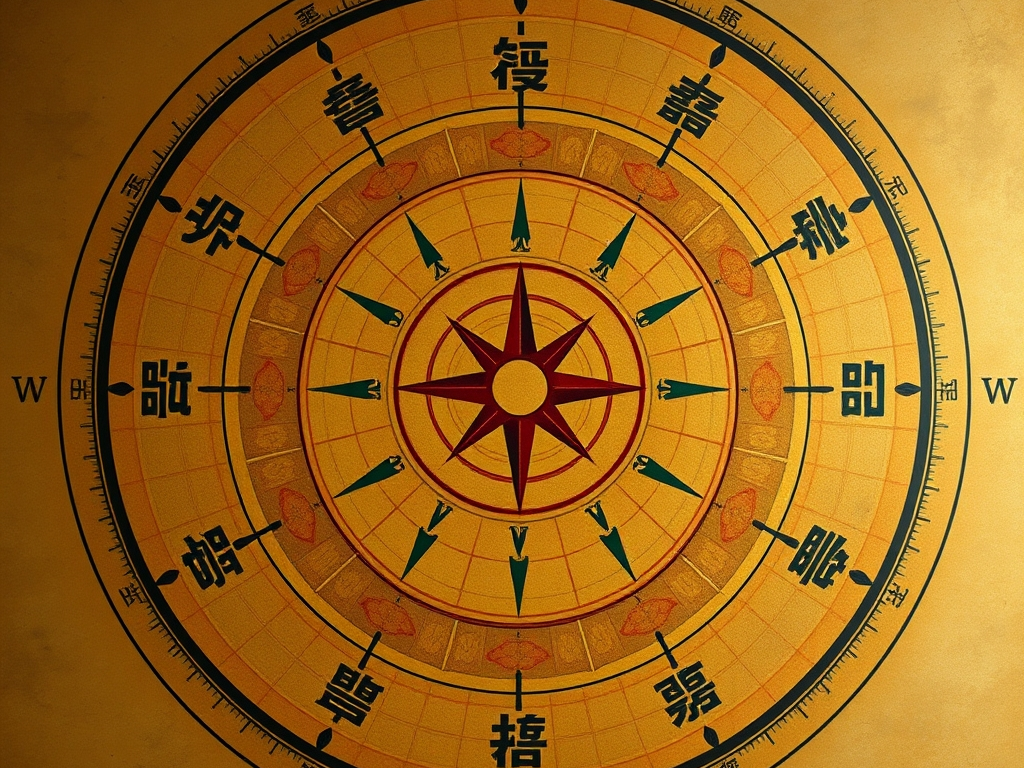
Qimen Dunjia can be a source of clarity, but for some people it becomes a source of worry. They build a chart, see a door or a deity with an alarming name, and spend the rest of the week waiting for something bad to happen. That reaction is understandable, and it is also a sign that the tool is being used the wrong way. Qimen is decision support, not a threat detector.
The names in the chart sound dramatic: Hurt, Danger, Death, Alarm. But in traditional practice these names describe functions, not fates. A Danger door in a chart about a safety review is not a warning that you will be hurt; it is a description of the kind of attention the matter requires. Reading the names as omens turns a practical tool into a source of unnecessary fear.
Remember What a Chart Actually Is
A Qimen chart is a snapshot of conditions at a specific hour. It describes which kinds of movement are well supported and which are not, which aspects of a matter may need attention, and where the balance of the situation lies. It does not declare what will happen, because what happens depends on choices, preparation, and factors the chart does not measure.
Once that boundary is clear, the emotional tone of a reading changes. A chart that flags pressure is not a warning; it is a to-do list. The question shifts from "what is going to happen to me" to "what should I prepare for and how should I act?" For the basic framework behind that shift, read What Is Qimen Dunjia?.
How to Frame Questions That Reduce Worry
The way a question is asked shapes the way a chart is read. A question like "will I fail" invites a fear-based reading, while "what does this decision need from me" invites a practical one. The same chart can answer both, but the second question produces guidance you can act on. Before asking, name the decision, the options, and the moment, and leave the outcome to the process.
Practitioners also avoid asking the same question repeatedly in search of a better answer. Repeated charts for the same unsettled matter usually reflect the questioner's anxiety, not new information. If a chart has already given you a condition and an action, the next step is to act, not to rebuild the grid. For help crafting better questions, read How to Ask a Useful Qimen Question.
A Checklist for a Grounded Reading
Use this checklist whenever a chart starts to feel alarming:
- Translate every symbol into a condition: what does this mean for the action, not for your fate?
- Ask what the chart is telling you to prepare, avoid, or time differently.
- Check whether the reading names a concrete next step; if it does not, the reading is incomplete.
- Write the step down and close the chart until the step is done.
- If worry persists, put the chart aside for a day before re-reading it.
The checklist treats the chart as a working document rather than an oracle. That habit alone removes most of the anxiety people feel around the method. For more on the practical symbols, read Qimen Terms: Doors, Stars, and Deities.
Common Ways Qimen Becomes Anxiety-Inducing
The first is checking charts too often. If every decision, no matter how small, requires a grid, the method has become a crutch rather than a tool. The second is treating every difficult symbol as a prediction. A Hurt door in a chart about a difficult conversation is a description of the conversation's edge, not a promise of injury. The third is asking the chart to remove uncertainty entirely; no system can do that, and expecting it to will always disappoint.
There is also the habit of using charts to avoid responsibility. A person who asks "should I do this" and then blames the chart for the answer has handed over their agency. The chart describes conditions; the decision belongs to the person. For more on keeping agency, read Qimen and Ethical Decision-Making and Qimen and the Art of Waiting.
Using Qimen as a Planning Aid
The healthiest use of Qimen is scheduling and preparation. Use a chart to choose a better hour for a conversation, to check which part of a plan needs more attention, or to decide whether to move now or wait. Each of those uses produces an action, and actions reduce anxiety far more effectively than predictions do.
The method also works well alongside ordinary planning. A chart that suggests caution should be checked against practical facts: budget, logistics, and information. When the chart and the facts agree, the plan is probably sound; when they disagree, the disagreement is worth investigating. For a broader approach to decisions, read Qimen for Daily Decision-Making.
A Worked Example
A person fears a chart that shows the Hurt door in the palace of their travel plan. A grounded reading reframes it: the door suggests the trip's edge cases deserve attention, so they check their documents, book flexible tickets, and keep an extra buffer day. The trip goes smoothly, and the reading proved useful precisely because it was treated as a checklist rather than a warning.
That is the difference between using Qimen and being used by it. For more examples of grounded readings, browse the Qimen library or start with the basics in Is Qimen Fortune Telling?.
A Grounded Weekly Habit
The simplest way to keep Qimen grounded is to limit its use. Decide in advance how often you will consult a chart, and make that decision before a difficult week arrives. A person who checks one chart per week for decisions with real stakes stays engaged with the method; a person who checks five charts a day is feeding anxiety, not learning.
The weekly habit works best when every consultation ends with a written action. If the chart produces no action, either the question was vague or the reading was incomplete, and both are worth noticing. The action is what keeps the tool pointed at the world instead of at your worries.
FAQ
Why do Qimen symbol names sound so frightening?
They come from traditional vocabulary and describe functions and conditions, not predictions of harm.
How often should I consult a chart?
Only for decisions with a concrete moment and a real choice; constant checking tends to feed anxiety rather than clarity.
What if a chart says something I do not want to hear?
Treat it as a condition to manage. Ask what preparation or timing change the reading implies, then act on that.
Can Qimen replace careful planning?
No. It works best as one input alongside facts, values, and ordinary judgment.