In a Qimen Dunjia chart, the eight doors are often the first symbols readers point to, because they describe how a situation tends to move. A door is not a verdict about an outcome; it is a description of the kind of passage a matter is in. Understanding the doors gives you a vocabulary for whether a plan is opening, closing, resting, or stuck, and that vocabulary is useful far beyond the chart.
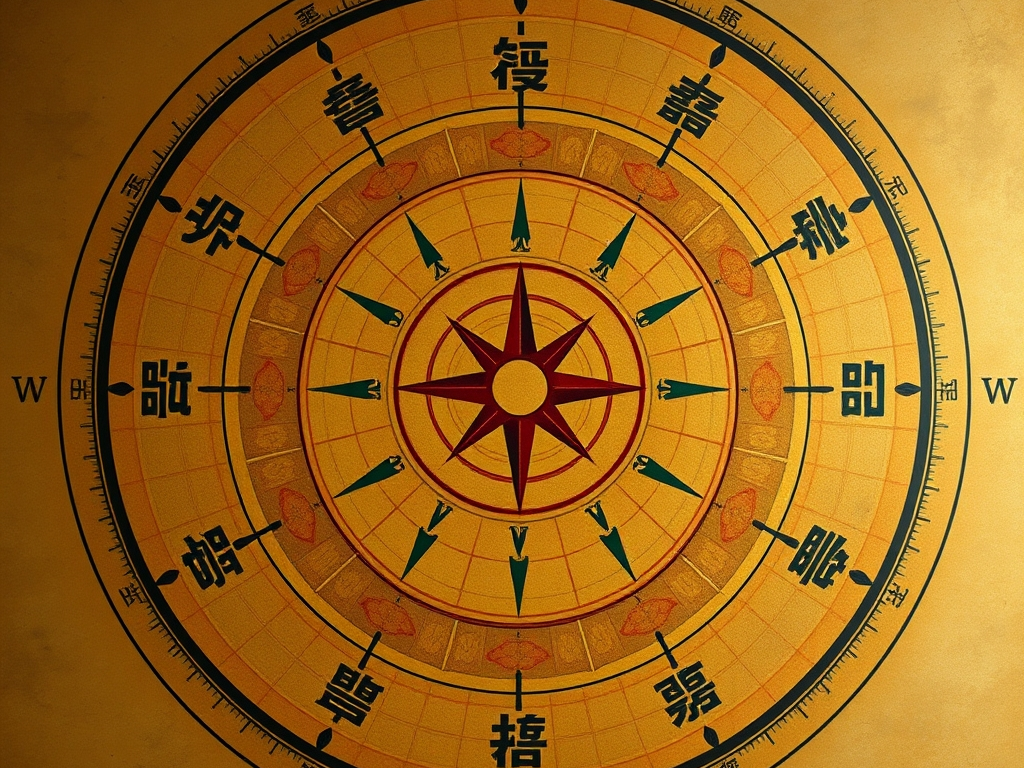
The eight doors are named after the eight directions of the chart and are placed according to the hour's arrangement. Each door carries a meaning related to movement and access: Open, Rest, Birth, Hurt, Danger, Scenery, Death, and Alarm. The names sound dramatic, but in practice every door has a functional meaning, and a so-called difficult door can be exactly the right energy for a task that needs caution.
The Eight Doors One by One
The Open door tends to represent public visibility, starting points, and formal openings; it often appears in questions about launches, ceremonies, and official matters. The Rest door represents stillness, repair, and quiet recovery, which suits questions about rest, healing, and preparation. The Birth door represents new growth and beginnings, especially in matters of livelihood and family. The Scenery door represents display, communication, and things seen in public.
The Alarm door represents vigilance, sudden attention, and protective action; it is read carefully because it can describe both warning and alertness. The Hurt door represents injury, conflict, and losses, and it appears in questions where the cost of the matter needs to be named. The Danger door represents risk, instability, and positions that must be handled with care. The Death door represents endings, closure, and things that must be released before something new can begin.
How Doors Work Inside a Palace
A door never reads alone. It sits in a palace with a native element, a star, and a deity, and all of those symbols modify each other. An Open door in a palace whose element supports it reads as genuinely open; the same door in a hostile palace may describe a door that appears open but closes on contact. The relationship between the door's element and the palace's element is the first check a reader makes.
The door also has a relationship to the questioner's palace. A door that points toward the questioner's position reads differently from one that points away. This is why two people can ask about the same event and receive different readings: the door's meaning depends on where each person sits in the grid. For the full structure of the grid, read The Nine Palaces in Qimen.
A Checklist for Reading a Door
When you meet a door in a chart, work through five questions before assigning meaning:
- What is the door's name and basic theme: open, rest, begin, show, warn, hurt, risk, or end?
- Which palace holds the door, and does the palace's element support or attack it?
- Which star and deity accompany the door in the same palace?
- How does the door relate to the palace of the question or the questioner?
- What real-world action would match this combination if the reading is accurate?
The last question keeps the reading honest. A chart is a map of emphasis, and the map earns trust only when it matches what actually happens. For practice guidance, read How to Ask a Useful Qimen Question.
Common Misconceptions About the Doors
The first misconception is that some doors are always good and others always bad. In practice, a Rest door during a launch week is a mismatch, while a Danger door during a safety review is appropriate. Meaning depends on the matter, not the name. The second misconception is that the door predicts the outcome. It describes the kind of passage; the outcome still depends on how you move through it.
The third misconception is that the eight doors are the most important symbols in every chart. In some readings the star, the deity, or the palace relationship carries more weight. Readers weigh all the layers together. For the full symbol set, read Qimen Terms: Doors, Stars, and Deities.
Doors in Practical Questions
Doors become most useful in questions with a clear action attached. For a job interview, the door in the questioner's palace may describe how the meeting will flow; for a launch, the door in the timing palace may describe whether conditions favor a public start; for a conflict, the door in the other party's palace may describe how they are likely to respond. The door is a lens on the movement of the situation.
Because doors describe movement, they pair naturally with timing. A door that suits action in the current hour may not suit the same action next week, which is why Qimen questions are asked for specific moments. For the relationship between charts and timing, read Qimen Time and Direction and Qimen for Daily Decision-Making.
A Worked Example
Consider a question about whether to announce a new project. The chart places the Open door in the palace of the announcement with a supportive star, while the questioner's palace holds the Rest door. The reading suggests that the public moment is well supported, but the questioner is not fully ready to step forward. The practical advice is to prepare internally before the public launch, not to cancel it.
The example shows how doors describe conditions rather than commands. The chart did not say yes or no; it described the state of each side. For more on turning that description into decisions, read Using Qimen to Compare Options and browse the Qimen library.
FAQ
Are the eight doors always placed in the same palaces?
No. Their positions rotate with the hour and the day, which is why the same question at different times gives different doors.
Is the Death door always negative?
No. It represents endings and closure, which are necessary before a new beginning can take place.
Can I read a door without the other symbols?
You can start, but the star, deity, and palace relationship usually change the emphasis, so a full reading needs all layers.
Do doors predict what will happen?
They describe the kind of passage a matter is in, not a fixed outcome. Actions and conditions still decide the result.