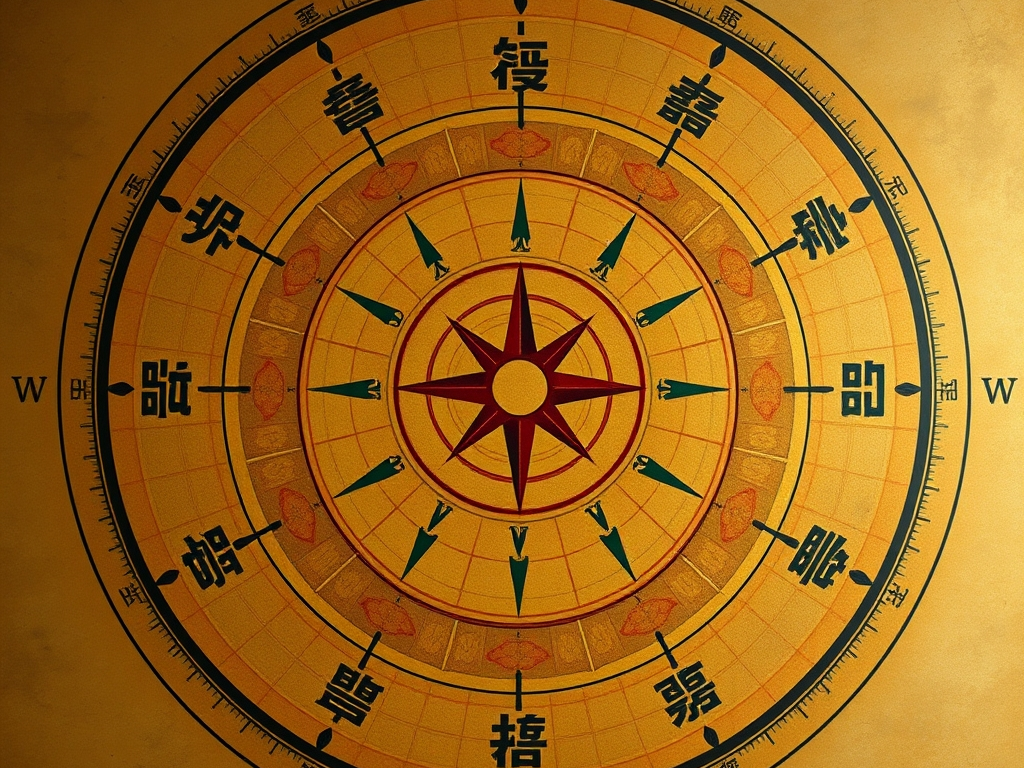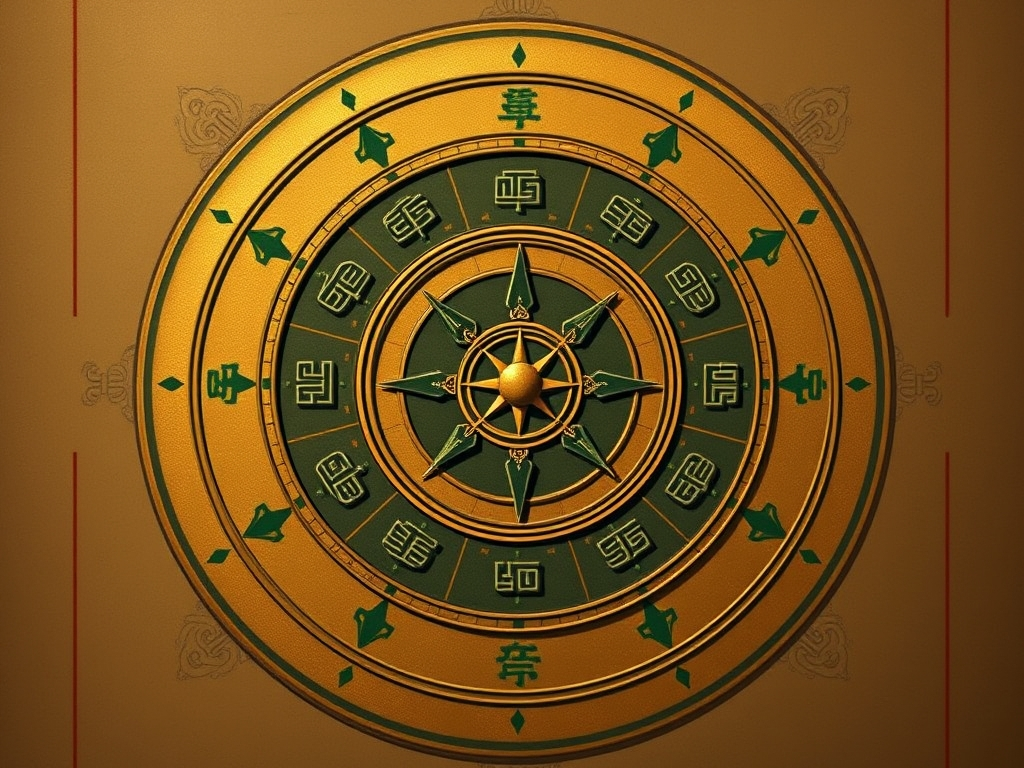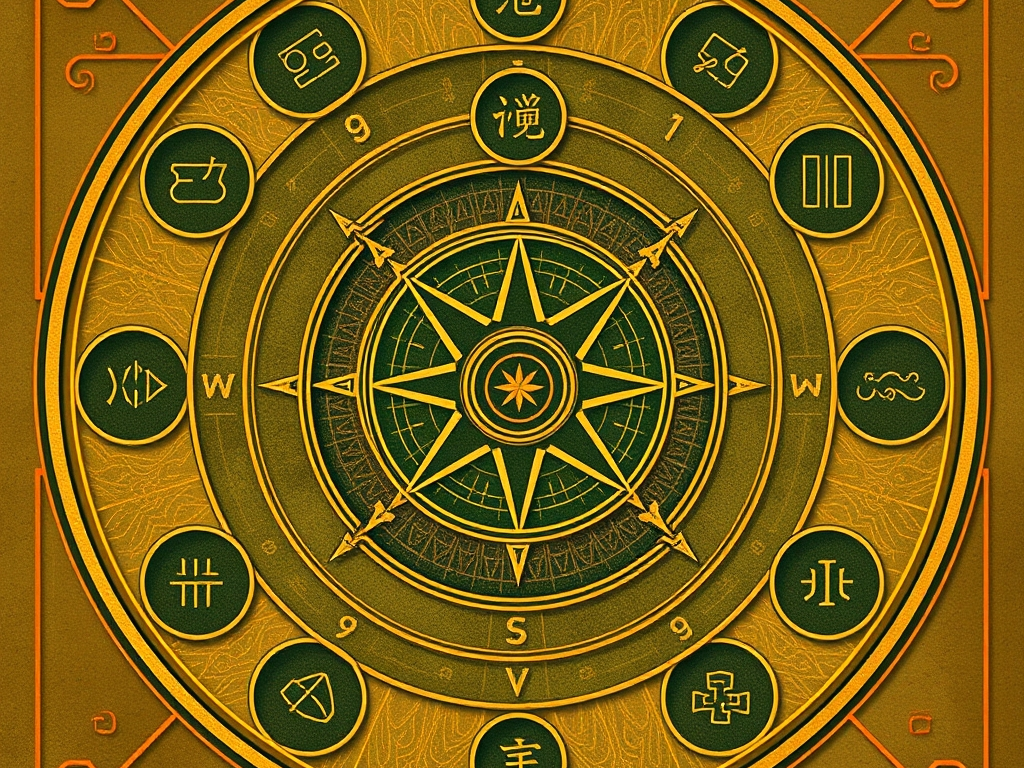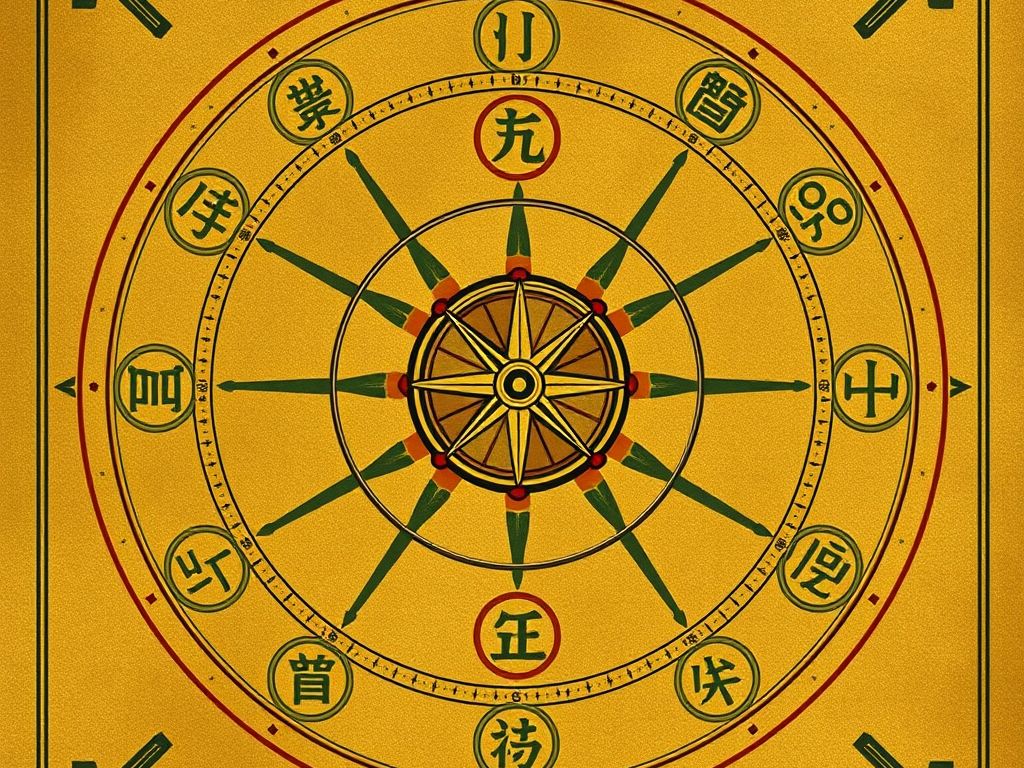
The morning before a big decision is a strange window. The decision has not been made, but its shape already fills the day, and the mind runs ahead into outcomes that have not happened. For people who use Qimen Dunjia, this window has a practical role: it is the time to look at the hour chart with a clear question, read the shape of the moment, and prepare the decision rather than rush it. Qimen does not decide anything for you, but it can steady the morning. For the basic idea of the system, start with What Is Qimen Dunjia? A Grounded Introduction.
This article explains what a morning reading can and cannot give you, and how to run the process without turning it into a ritual of reassurance.
Why the Morning Is a Distinct Window
A morning reading is different from a reading done at night. The night mind has already sorted and worried; the morning mind is fresher but also more exposed, because the day's pressure has not yet found its shape. That makes the morning good for one thing and bad for another: good for naming the question cleanly, bad for deciding under the feeling of urgency that mornings can create.
Readers therefore use the morning chart as an orientation rather than a verdict. You are not asking what will happen; you are asking what kind of day this is for this decision. For the difference between timing and outcome, read Qimen Timing: Why the Moment Matters.
What the Chart Can Give You
A morning chart can give you three practical things. First, a name for the day's texture: whether the moment favours movement, preparation, waiting, or closure. Second, a warning about the decision's weak point, such as a tendency to rush, to overthink, or to ignore one side of the question. Third, a sequence: what to do first, what to check, and when to stop preparing and commit.
None of these is a prediction. They are directional descriptions you can test against your own judgment. For how charts organise information into a readable shape, see How Qimen Charts Organize Information.
What the Chart Cannot Give You
The chart cannot tell you whether the outcome will be good, because the outcome depends on preparation, other people, and events that no symbol can capture. It cannot remove the responsibility of choosing, and it should not be used to silence a legitimate doubt. If the reading feels too clean and the doubt is still there, the doubt deserves attention, not suppression.
It also cannot give you more time. If the decision must be made today, the chart can help you make it with clarity; it cannot manufacture the extra week you wish you had. For the ethical use of these systems, read Qimen and Ethical Decision-Making.
A Calm Morning Routine
If you want to use Qimen on the morning of a decision, keep the routine small. It should take about twenty minutes and follow the same order each time.
- Write the decision in one sentence before looking at any chart.
- Note the hour of the morning and the question you are actually asking.
- Read the chart for the relevant palace and name the door in one word.
- Name the star or deity that colours the action in one word.
- Write what the pair suggests as a sentence about preparation.
- Close the notebook and go about the day without re-reading the chart every hour.
The routine works because it limits the reading to one pass. For a structured way to prepare questions in advance, see Preparing Questions Before a Qimen Session.
Common Mistakes on Decision Mornings
The first mistake is treating the morning chart as a green or red light, then feeling anxious when the symbols are mixed. The second is re-reading the same chart all day and letting each pass change the meaning. The third is asking the chart what you should want, when the chart can only describe the texture of the moment.
A related mistake is using the reading to avoid the decision: telling yourself the chart said wait, when the real reason is fear. Qimen's best use is to make the decision more conscious, not to give the mind an excuse to postpone. For the difference between acting and preparing, read Qimen and the Art of Preparation.
Carrying the Reading Into the Day
Once the morning reading is done, the task is to carry its sentence into the day without letting it harden into a script. If the chart said prepare rather than commit, use the morning to gather the missing evidence. If it said move, protect the moment from second-guessing. If it said pause, give the pause a time limit, because a pause without an ending becomes avoidance.
You may also find it useful to check the chart once at midday to see whether the situation has shifted, but the morning reading should remain the anchor. For a related practice of a short midday reset, see The Practice of a Midday Reset.
An Example Morning in Practice
Suppose the decision is whether to accept a job offer by the end of the day. The morning hour chart shows an Open door in the palace tied to the question, with the Heavenly Heart star beside it. The pair suggests a public move made with strategy: the day suits committing, but only after the structure is clear. Following the routine, the person writes the decision in one sentence, notes that the chart favours clarity over hesitation, and spends the first hour confirming the offer's terms rather than rehearsing worst cases.
At midday the situation is unchanged, and the person commits with the remaining questions written down for the first week of work. Notice what the chart did not do: it did not guarantee the job was right, and it did not remove the risk. It gave the day a shape, and the shape made the choice possible without drama. That is the realistic value of a morning reading.
FAQ
Should I make the decision right after the morning reading?
Not necessarily. The reading describes the texture of the moment; if the chart says prepare or wait, use the morning to do exactly that.
Do I need a different chart for the morning than for the night before?
The hour changes, so the chart changes. Many people use the night chart to sleep on a question and the morning chart to orient the day of the decision.
Can Qimen calm an anxious morning?
It can help by giving the decision a clear shape, but it works best alongside ordinary preparation, such as writing the question down and limiting how often you revisit it.
What if the morning chart contradicts my own judgment?
Treat the contradiction as information. Ask whether the chart is naming a real tendency, such as rushing, and then let your own judgment make the final call.