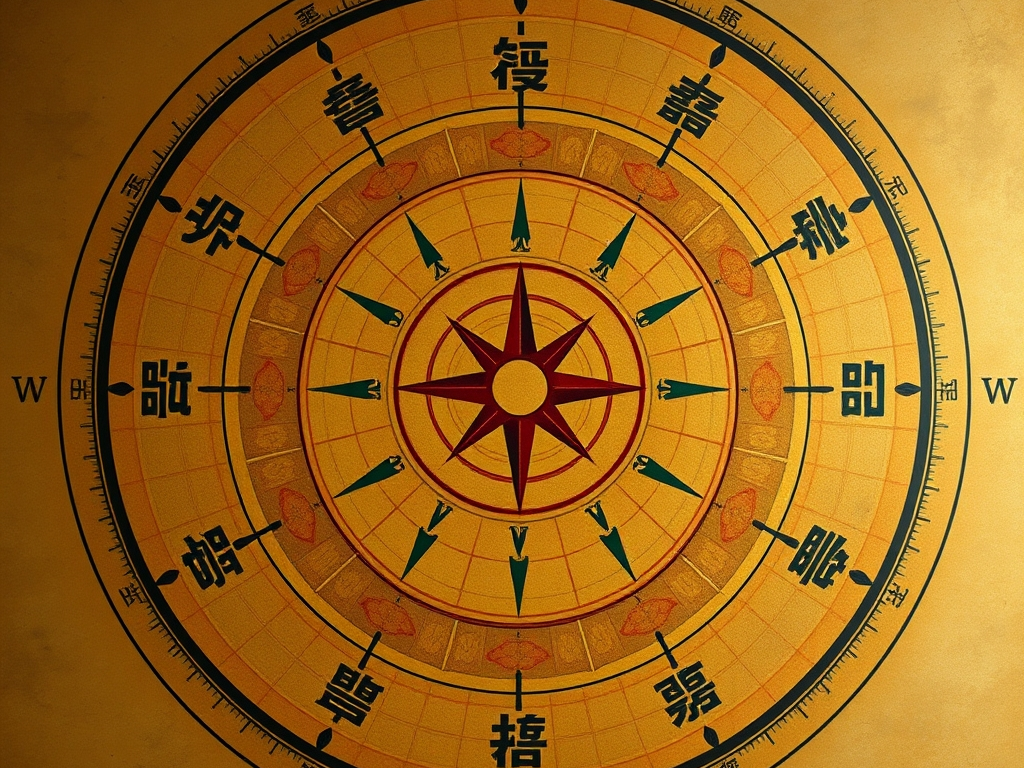
The Doors, Stars, and Deities are three major symbolic layers in a Qimen Dunjia chart. In simple terms, a Door can describe the mode of activity or access, a Star can describe qualities and capacities, and a Deity can describe tone or strategic atmosphere. They are read together inside a palace, not as separate predictions. Their traditional names are symbolic labels, so a dramatic translation should never be taken as a literal event.
The Doors: How Activity Proceeds
The Eight Doors are often one of the first layers beginners learn because their names suggest recognizable activities. Depending on translation, you may encounter names such as Open, Rest, Life, Harm, Delusion, Scene, Death, and Fear. English wording varies, and each term covers more nuance than a single everyday definition.
A Door can help describe access, process, behavior, or the way an objective is approached. An opening-oriented Door might be relevant to visibility, contact, or beginning. A resting-oriented Door might support recovery, patience, or low-pressure activity. A Door with a severe name may indicate closure, completion, caution, secrecy, injury to a plan, or another constrained process depending on context. It does not announce that the literal English noun must occur.
The objective changes what is useful. Quiet conditions may frustrate a publicity campaign but help confidential planning. Rapid access may suit an introduction but be insufficient for careful research. Before labeling a Door favorable, finish the sentence: favorable for what action, for whom, and over what period?
The Stars: Capacity and Character
The Nine Stars add another set of qualities. They are commonly used to discuss capacity, temperament, performance, environmental conditions, or the style through which something operates. Their names and English translations can sound concrete, but they function as parts of a symbolic vocabulary.
A Star may suggest qualities such as leadership, assistance, communication, pressure, impulsiveness, or obstruction, yet no short list works identically in every reading. Its palace, Door, Deity, stems, seasonal condition, and relevance to the question all matter. A quality associated with speed, for example, may help an emergency response while creating mistakes in contract review.
Stars can be especially useful when asking about readiness. A Door may indicate that an opportunity is available, while the Star suggests whether the people or resources involved can use that opening well. This is still interpretive language. Actual capacity must be checked through skills, time, staffing, data, and other observable evidence.
The Deities: Tone and Strategic Atmosphere
The Eight Deities form a third layer. "Deity" is a conventional English rendering, but beginners should not assume that a chart is literally reporting the actions of supernatural beings. In chart practice, these figures operate as symbolic categories that can describe tone, protection, concealment, force, ambiguity, cooperation, or other strategic qualities.
Some Deity names may feel reassuring and others threatening. That emotional reaction is not an interpretation. A symbol associated with concealment might be relevant to privacy, research, or incomplete information. A forceful symbol could support decisive action in one situation and warn of pressure or conflict in another. The question determines which expression is plausible.
The Deity layer can refine how a Door and Star are likely to be experienced. If a Door suggests communication, the Deity may indicate whether the atmosphere feels open, guarded, formal, confusing, or intense. The reader then asks what practical behavior would fit that atmosphere.
How the Three Layers Work Together
A useful synthesis begins with description rather than judgment. State what the Door contributes, what capacity or character the Star adds, and what tone the Deity introduces. Then place the combination inside the relevant palace and connect it to the actual question.
One simple sentence pattern is: "This palace suggests an activity of this type, carried by these qualities, in this kind of atmosphere." The sentence should remain conditional. After that, translate it into decision questions. Is the proposed action suited to the process? Do we have the capacity it demands? What communication style or safeguard would address the atmosphere?
Other chart layers may change the conclusion. Heavenly Stems can identify or relate actors, while palace conditions and interactions can show support or friction. A synthesis that ignores those factors is a learning exercise, not a full reading. Good teaching makes that limitation explicit.
Example: The Same Symbols in Different Contexts
Imagine a hypothetical palace containing a Door associated with rest, a Star associated with planning, and a Deity associated with concealment. In one context, Alex is considering whether to publish a product announcement immediately. The combination might raise concerns about low visibility, excessive caution, or information that is not ready for public release. A practical response could be to delay the announcement long enough to verify claims and prepare support materials.
Now place the same symbolic combination in a different question: Alex needs to conduct confidential due diligence before signing a vendor agreement. Rest can suggest slowing down, the planning quality can support careful review, and concealment can fit legitimate privacy. The combination may now describe a useful research phase rather than a blocked launch.
The symbols did not change; the purpose did. Even then, they do not prove that the vendor is trustworthy or untrustworthy. Alex still checks references, reviews security practices, reads the contract, and consults legal or technical professionals when appropriate. The chart helps frame the mode of work, while evidence determines the conclusion.
From Symbolic Language to Practical Action
To keep a reading grounded, translate every interpretation into an observable step. If the combination suggests unclear communication, define what clarity would look like: a written agenda, confirmed scope, or follow-up email. If it suggests pressure, identify the deadline, decision authority, and exit option. If it suggests support, name the actual person, budget, skill, or resource that could provide it.
This translation prevents symbolic language from floating away from the decision. It also reveals when an interpretation is too vague. "The energy is difficult" offers little guidance. "The meeting may be rushed, so circulate the three required decisions in advance and confirm who can approve them" is testable and useful.
Keep alternative explanations in view. A quiet symbol might mean strategic patience, ordinary delay, or simply that the question was framed poorly. Record what you expect to observe, then compare with the result without rewriting your original notes.
Common Misreadings
The most common error is literalism: assuming Death means physical death, Fear guarantees terror, or a powerful Deity promises protection. These symbols carry technical ranges of meaning that must be narrowed by context. Another error is moralizing them. A symbol is not a judgment that a person is good or evil.
Beginners also stack positive keywords and negative keywords as if they were scores. Synthesis is not arithmetic. One layer may describe access, another capacity, and another atmosphere; they answer different parts of the situation. Finally, do not use a pleasant combination to override due diligence or an unpleasant one to justify prejudice against another person.
FAQ
Which layer is most important?
There is no universal answer outside a question and method. The Door may be prominent for action, while the Star, Deity, stems, palace, or relationship becomes decisive in another reading. Coherent synthesis matters more than choosing a favorite layer.
Are Deities literal spirits?
In chart interpretation, they can be approached as traditional symbolic categories describing influence or atmosphere. Individuals may hold different beliefs, but a responsible beginner guide does not require literal supernatural claims.
Does a good Door cancel a difficult Star?
Not mechanically. The Door and Star describe different dimensions. Easy access paired with weak capacity may mean an opportunity exists but requires preparation. Read the combination and verify the practical conditions.
How should I memorize the symbols?
Learn a small range of meanings, then study combinations through recorded examples. Avoid one-word equations. Writing "helpful for this purpose because..." trains contextual thinking better than memorizing a fixed good-or-bad label.
Where to Go Next
See how these layers sit inside the grid in The Nine Palaces in Qimen Dunjia Explained. Then connect them with moment and movement through How Qimen Dunjia Uses Time and Direction. The full Qimen article collection offers additional beginner practice. For each example, describe the three layers separately, synthesize them in one sentence, and name a real-world action that can be evaluated.