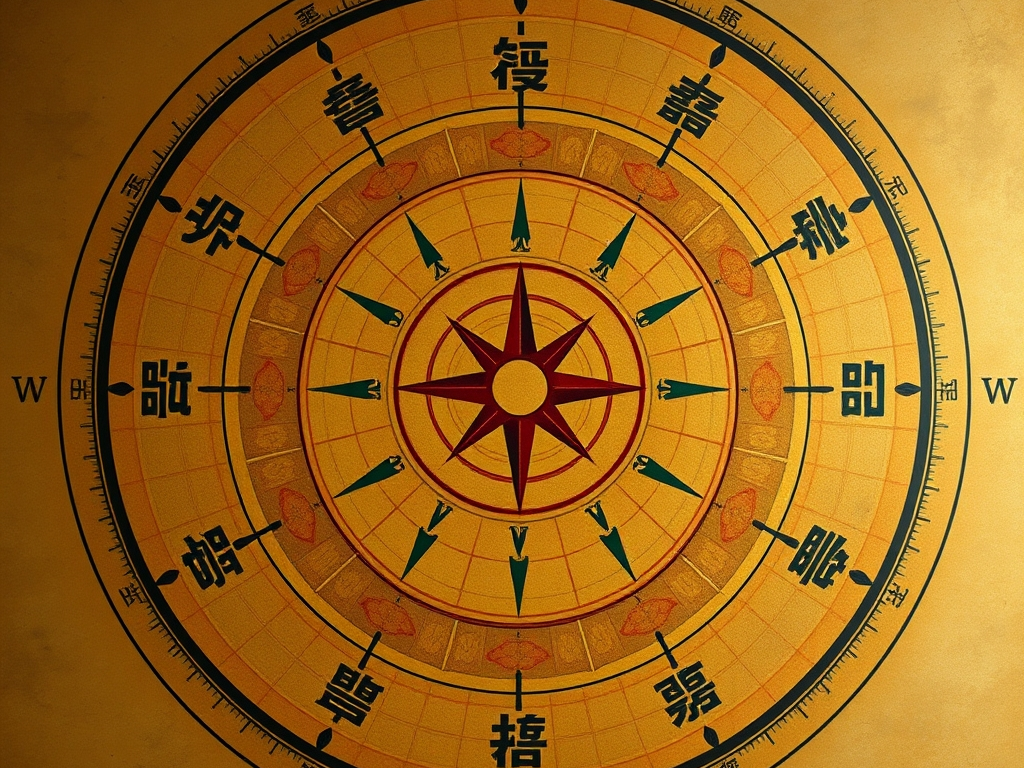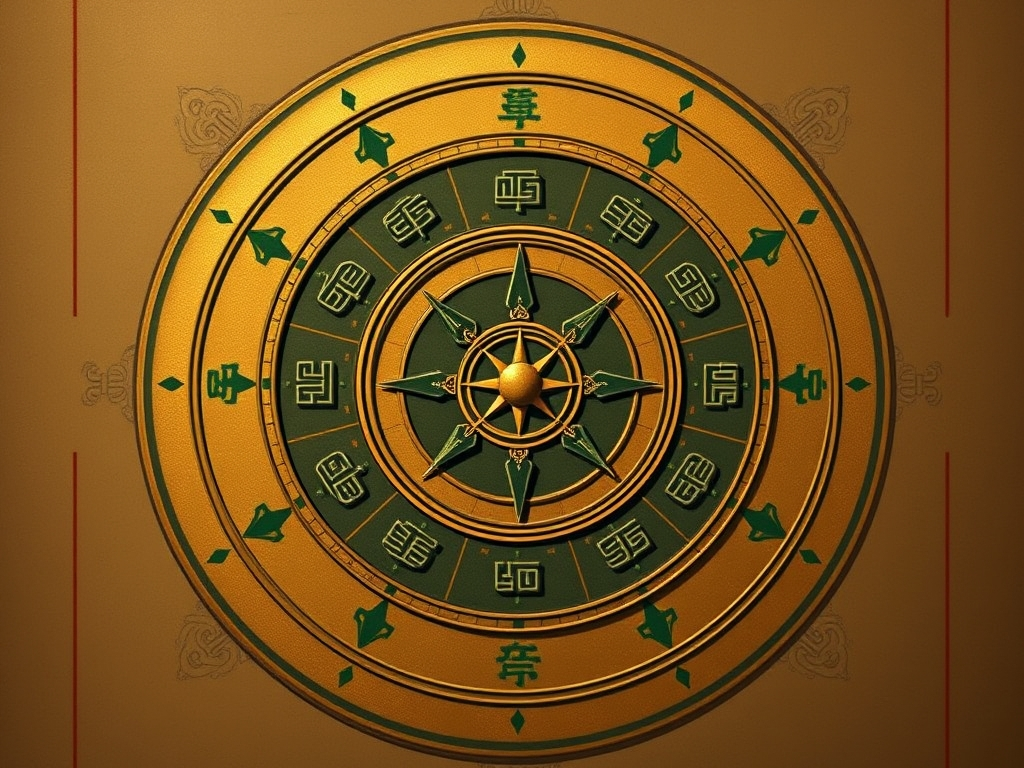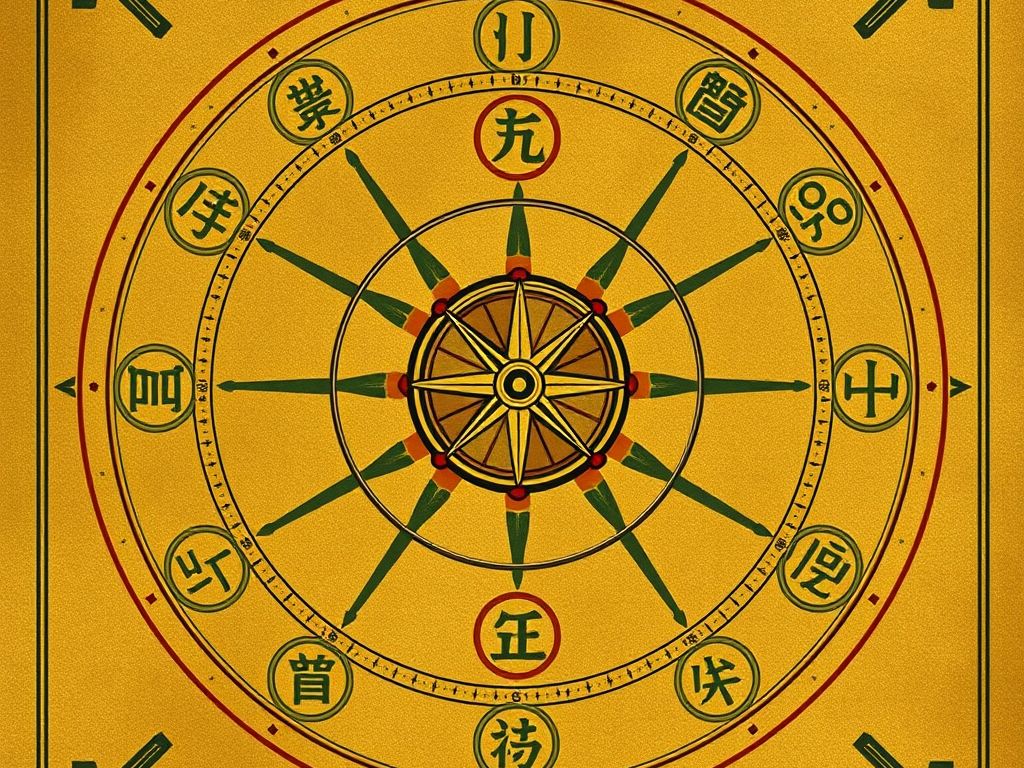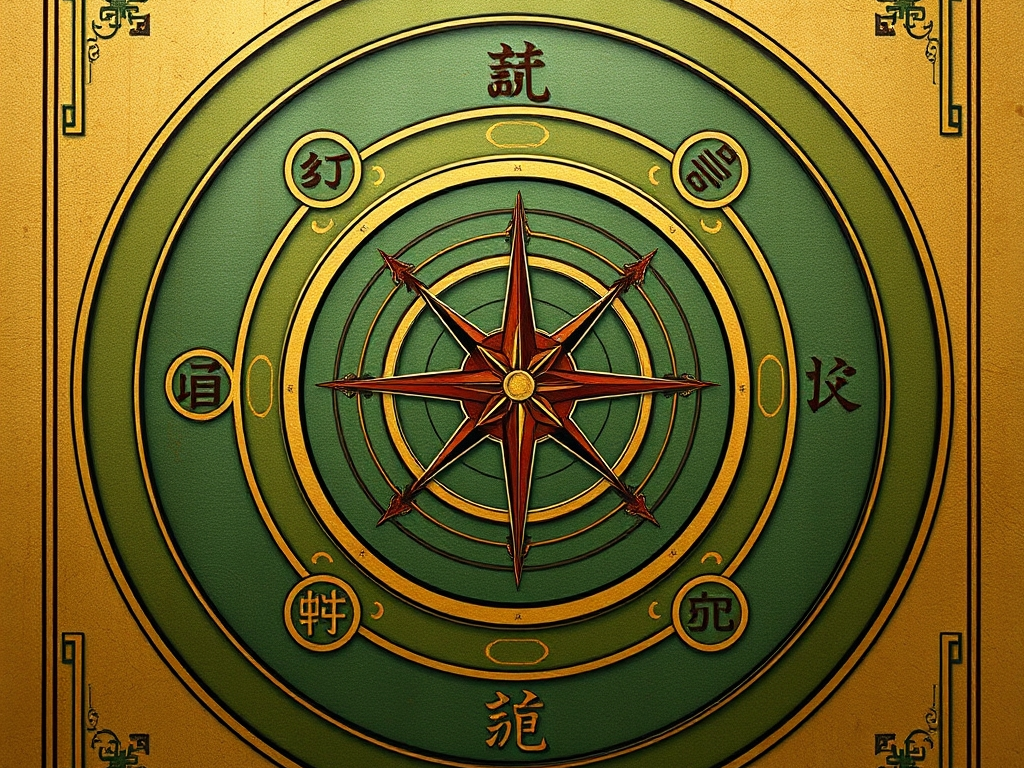
A Qimen chart looks like a wall of unfamiliar symbols: palaces, doors, stars, deities, and stems arranged on a grid. New readers often assume the value lives in the exotic names, but the opposite is true. Every symbol in a Qimen chart is a compressed description of a condition, and the whole board works only when you translate it back into plain language. If you are completely new to the system, start with What Is Qimen Dunjia? A Grounded Introduction.
This article walks through the main symbol groups and shows how to read each one in ordinary words, so the chart becomes something you can talk about without jargon.
The Palaces as Containers
The nine palaces are the boxes of the board, and each one is tied to a direction, an element, and a set of life themes. In plain English, the palace answers the question "where is this energy sitting?" A decision about career may land in the palace associated with work themes, while a question about a trip lands in the palace associated with movement. You do not need the traditional names to start; you need to know which box is talking about which part of the question.
Palaces also carry the seasonal weather of the chart, because each one belongs to an element and that element is strengthened or weakened by the current time. For the structure behind the grid, read The Nine Palaces in Qimen Explained.
The Doors as Options
Doors are the action words of the chart. Each door describes a kind of movement: opening, resting, danger, surprise, and the rest. In plain language, the door in a palace tells you what kind of activity that position favors at this moment. An open door suggests visibility and progress; a resting door suggests withdrawal and recovery; a dangerous door suggests caution and delay. The door is not a command. It is a description of how things are likely to move if you act in that direction right now.
Read doors as conditions, not verdicts. A dangerous door does not mean "never act"; it means the move carries more friction than usual and needs extra care. For the full set and its meanings, read The Eight Doors in Qimen and What They Mean.
Stars, Deities, and Stems as Texture
Stars add temperament to the palace, deities add tone, and the stems add detail. In plain English, the star describes the character of the situation, the deity describes its mood, and the stems carry the specific actors or factors in play. Together they answer "what kind of situation is this?" A chart can show an open door with a cautious star and a supportive deity, which reads very differently from an open door with a restless star and a confrontational deity.
Do not memorize all of them at once. Learn one star, one deity, and one stem role well enough to describe them, then expand. For the symbol groups in one place, read Qimen Terms: Doors, Stars, and Deities, and for the attitude that keeps them honest, read Qimen Symbols Without Superstition.
A Method for Translating a Chart
When you open a chart, work in a fixed order so the symbols do not overwhelm you. First, name the question and the palace that covers it. Second, read the door in that palace and describe the movement in one sentence. Third, add the star and deity as texture to that sentence. Fourth, note the stems and what they point to in the real situation. Finally, write the whole thing as a plain-language summary you could say out loud to a friend.
- Find the palace tied to your question.
- Translate the door into a kind of movement.
- Add the star as temperament and the deity as tone.
- Note what the stems name in the real situation.
- Rewrite the chart as three plain sentences and check them against the board.
The method forces translation, which is exactly what builds skill. For how the board is put together in the first place, read How a Qimen Chart Is Calculated.
Why Plain Language Keeps Qimen Honest
Jargon is where vague readings hide. If a reader says only that a door is "opening," there is no way to test the claim; if they say the chart describes visible progress with some friction around timing, you can compare that against reality. Translating symbols into plain language is therefore not a simplification. It is the quality control step, and it is the skill that separates useful Qimen from decorative Qimen.
Plain language also makes the practice shareable. You can describe what the chart shows to a partner, a colleague, or a journal, and the description can be checked later. For the honest limits of the system, read The Limits of Direction-Based Advice.
Building the Habit
Build the translation habit with one chart per week. Open a chart, translate the palace tied to a real upcoming decision, and write the three-sentence summary before the decision happens. Later, compare the summary with what actually unfolded. Within a few weeks, the symbols will start reading as plain language on sight, and that is the point at which the board becomes a working tool rather than a curiosity. For a structured journaling format, read How to Keep a Qimen Study Journal.
A Translation Sample
Here is what a translated reading sounds like in practice. "The palace tied to the job offer shows an open door, which suggests the position favors visible progress; the star adds a steady temperament, so the progress should come through consistency rather than speed; the deity carries a supportive tone, so cooperation is likely to help." That is a usable reading, and every part of it can be checked against reality: the door's openness, the steady pace, the role of cooperation. Writing readings this way, rather than leaving them as symbol lists, is the skill this article is teaching.
Notice that the translation does not remove the decision; it organizes the conditions around it. The person holding the offer still weighs the job's facts, the timing, and their own priorities, and the chart's three sentences simply make those conditions visible in a form the decision can use.
FAQ
Do I need to memorize all the symbols first?
No. Learn a few well and translate them into plain language; the rest can be added gradually as you read charts.
What if two readers translate the same chart differently?
That is normal. The symbol facts should agree, while emphasis and plain-language phrasing can differ by experience.
Can I read a chart without the traditional Chinese names?
Yes. The names are labels for conditions, and the conditions are what matter; many modern readers work in English from the start.
How do I know my translation is correct?
Test it. Write the plain-language summary before the decision and compare it with what actually happened.