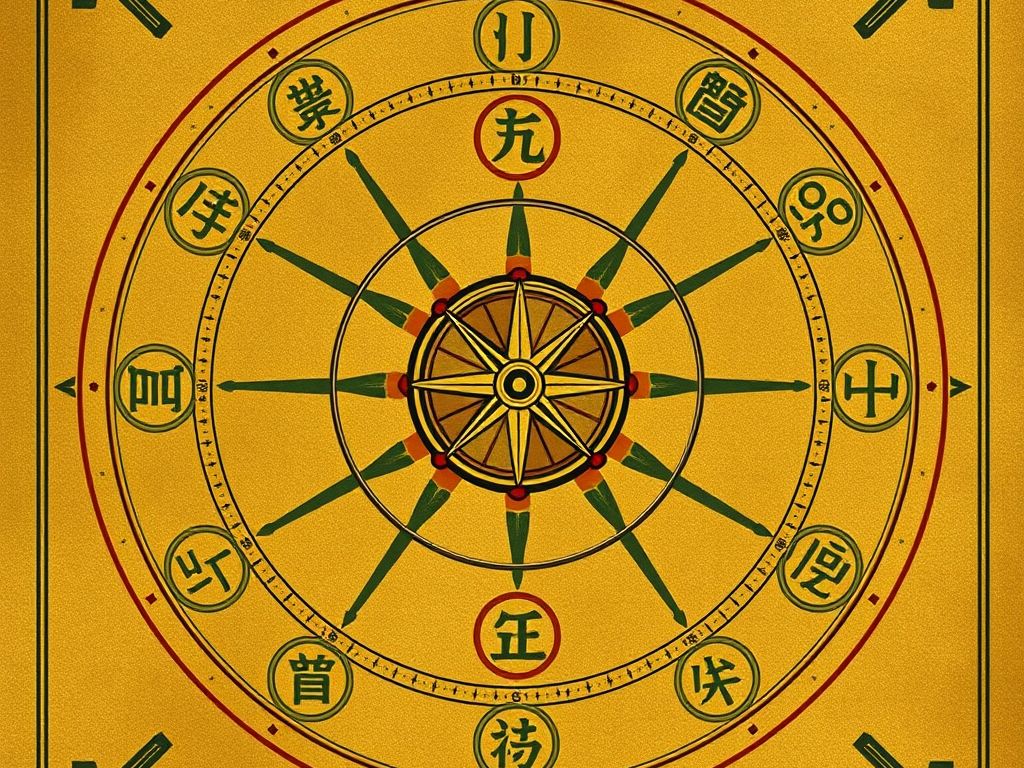
Qimen Dunjia is a practical system, and like any practical skill it improves fastest with a record of what you actually did and what happened afterward. A study journal does for chart reading what a lab notebook does for science: it turns scattered impressions into evidence you can review. Without one, most learners repeat the same mistakes for months and remember only the readings that felt dramatic.
The journal does not need to be elaborate. A simple template, filled in consistently, is worth more than a beautiful notebook used once. The habit is the method.
What to Record
Each entry should capture the question, the chart, the reading, and the outcome. The question matters most, because a vague question produces a vague record. Write the question in one sentence, exactly as you framed it for the chart. Then note the date and time of the chart, the palaces and symbols that carried the answer, and your plain-language interpretation.
Finally, record what happened. This is the step most people skip, and it is the most valuable one. Without the outcome, the journal is a collection of opinions; with it, the journal becomes a personal calibration tool. For the basics of framing good questions, read How to Ask a Useful Qimen Question.
A Simple Entry Template
Use a template with six fields, one line each where possible:
- Date and time of the chart.
- The question in one sentence.
- The palace and key symbols that answered.
- Your interpretation in plain language.
- The action you took or did not take.
- The outcome, reviewed two weeks or more later.
Six fields take five minutes per entry. That small cost compounds quickly, because every entry makes the next reading slightly sharper. For practice with real charts, keep the How a Qimen Chart Works guide nearby.
How to Review the Journal
Review the journal monthly at first, then quarterly. Look for three patterns: questions that were answered clearly, readings that were vague, and interpretations that missed the outcome. The misses are the gold, because they show exactly where your reading style needs adjustment.
A useful review question is simple: when I was wrong, was I wrong about the symbols, the question, or the timing? Most misses come from the question or the timing, not from the symbols. Naming the source of the error turns the journal into a teacher. For a structured way to think about decisions, see Qimen for Everyday Decision-Making.
Common Journal Mistakes
The first mistake is recording only the dramatic readings. The quiet ones teach just as much, especially when nothing happened, because they reveal which symbols do not matter in practice. The second mistake is editing the outcome to fit the reading. Honest records keep the mismatch visible. The third mistake is skipping the outcome field, which removes the calibration value of the entire journal.
A fourth mistake is treating the journal as a prediction log. The goal is not to score hits and misses like a fortune teller; it is to understand how the system organizes timing and emphasis. When you review with that purpose, the journal stays a study tool. For the ethics of tracking readings, read Qimen and Ethical Decision-Making and browse the Qimen library.
Making Consistency Practical
Consistency beats intensity because chart reading is a calibration skill. One entry per week for a year produces fifty-two points of comparison, while a weekend of heavy study produces impressions without outcomes. Protect the habit by keeping the template small and the review schedule fixed, such as the first Sunday of each month.
If you miss a week, do not try to catch up with multiple entries; just resume with the next reading. The journal is a long-term instrument, and gaps are part of the record. For the broader learning path, see How to Study Chinese Metaphysics Without Superstition and the Qimen overview page.
What a Mature Journal Looks Like
After six months of entries, the journal changes character. It stops being a log of charts and becomes a personal calibration manual, with sections that answer questions like which questions I frame well, which symbols I overread, and which timing signals have held up in my experience. A mature journal is organized around those lessons rather than around dates.
You can accelerate the maturation with a quarterly review ritual. Set aside thirty minutes, read the last three months of entries, and write a one-page summary with three headings: what I have learned, what I keep getting wrong, and what I will test next quarter. The summary becomes the front page of the next journal section, so each quarter builds on the last instead of starting over.
The result is a record that grows more valuable with time, exactly like the practice itself. It also protects you from the two failure modes of study, repeating mistakes and forgetting insights, because both are written down where you can see them.
If you are unsure how to start, do not wait for the perfect template. A plain notebook with the six fields works immediately, and the template can improve later. The first entry is the hardest one; after that, the journal becomes part of the study rhythm, and the habit starts to carry itself. That is the point of keeping it simple: the instrument exists to serve the practice, not to impress anyone.
Set a fixed entry time, such as Sunday evening, so the habit has a home in the week.
FAQ
Do I need to record every chart?
No. One entry per week is enough to build a useful record; consistency matters more than completeness.
What if I do not know the outcome yet?
Leave the field blank and return to it later; the entry only becomes useful once the outcome is added.
Should the journal include personal details?
Keep it minimal and anonymized if you prefer; the technical record matters more than the narrative.
How long before the journal changes my reading?
Most learners notice clearer questions and steadier interpretations within two or three months of consistent entries.