Qimen Dunjia is one of the most structured systems in Chinese metaphysics, and also one of the most misunderstood. On the surface it is a grid of nine palaces filled with doors, stars, deities, and directional information. Beneath that grid is a practical idea: a moment in time and a location can be organized into a readable pattern, and that pattern can help you think about a decision more clearly. It is decision support, not certainty, and this article treats it that way.
If the whole subject feels foreign, start with What Is Chinese Metaphysics? to see where Qimen fits in the larger family of systems.
Where Qimen Dunjia Comes From
Qimen Dunjia developed over centuries as a framework for strategy, timing, and movement. Its early reputation was military: generals used charts to decide when to advance, where to position forces, and which direction favored an approach. Over time the same structure was applied to civilian questions such as business moves, negotiations, travel, and major life choices. The military origin matters because it shaped the language: palaces, doors, and stars still carry that strategic tone today.
The name itself is descriptive. Qimen refers to the three "odd" gates, and Dunjia refers to the concealed Jia, a concept connected to hiding and revealing. Beginners do not need the full etymology to work with the system, but knowing it helps explain why the chart feels like a map of openings and obstructions rather than a list of character traits. For the structural basics, see How a Qimen Dunjia Chart Works.
What the Chart Organizes
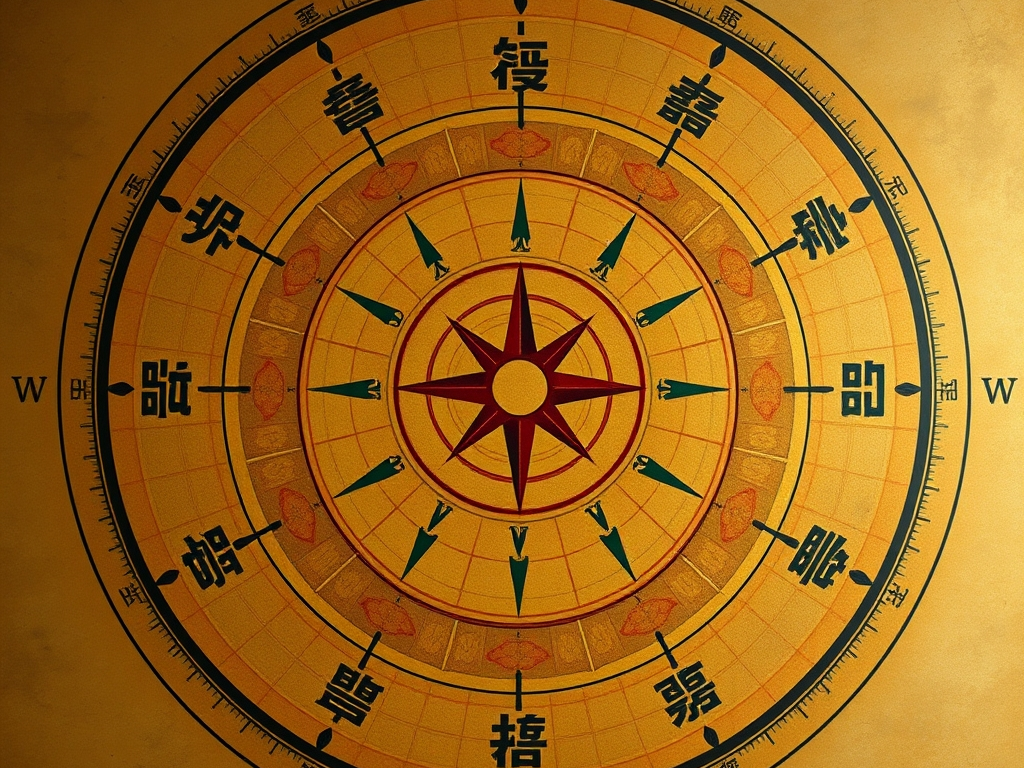
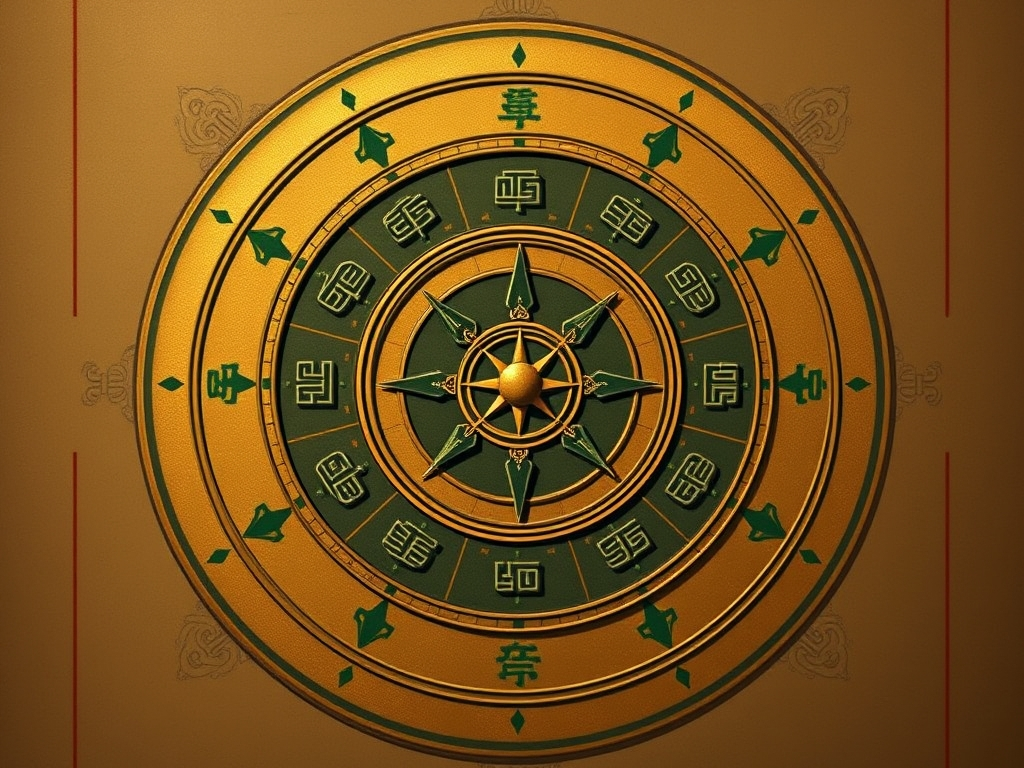
A Qimen chart is built around nine palaces arranged in a three by three grid. Each palace contains information: a door, a star, a deity, and a set of stems, with each item carrying its own meaning. The center palace holds special significance, and the arrangement shifts with time, which is why the same question asked at different hours produces different charts.
The value of the grid is organization. Instead of holding a dozen considerations in your head, you can see them arranged in space and time, and you can ask which palaces look strong, which look empty, and where the helpful symbols sit relative to the question. That spatial organization is Qimen's real contribution. For a walk through the palaces, read The Nine Palaces in Qimen Explained.
A Grounded Way to Use Qimen
You can use a chart without treating it as magic. Try this sequence:
- Write the decision as a concrete question, such as "should I launch this project this month?"
- Note the current time and your location, because both shape the chart.
- Look at which doors and stars are active and what they describe.
- Translate each symbol into plain language, such as "open movement" or "waiting" or "hidden risk."
- Use the translation as one input alongside cost, timing, and your own judgment.
The last step is the whole point. Qimen becomes useful when it changes the quality of your thinking, not when it replaces it. For help forming the question itself, read How to Ask a Useful Qimen Question.
Common Misconceptions
The first misconception is that Qimen predicts outcomes. A chart describes conditions and tendencies at a moment; the outcome still depends on execution and other people. The second is that a "good" chart guarantees success and a "bad" chart guarantees failure. Experienced readers know that a demanding chart can produce excellent results with careful pacing, and an easy chart can produce complacency.
The third misconception is that Qimen is only for dramatic decisions. It is regularly used for everyday choices such as when to send a proposal, when to hold a conversation, or which direction to favor for a trip. The scale of the question matters less than the clarity of the framing. For the ethical side of using charts in decisions, read Qimen and Ethical Decision-Making.
Qimen Compared with Other Systems
People often confuse Qimen with BaZi or Feng Shui, but the tools answer different questions. BaZi describes the structure of a life through eight characters and luck cycles; Qimen describes a situation in time and space, making it useful for specific decisions. Feng Shui works with environments and buildings; Qimen works with moments and directions. The systems are companions, not substitutes.
When you understand the differences, choosing a tool becomes easier. If the question is "what kind of year am I entering," BaZi is the natural frame. If the question is "should I move on this plan this week," Qimen is designed for exactly that. For the timing layer of both, see Why Timing Matters in Chinese Metaphysics and Qimen Timing: Why the Moment Matters.
Getting Started Without Overwhelm
The best way to begin is not to memorize every symbol but to study one chart at a time. Take a current chart, translate five or six symbols into plain language, and compare the description with what actually happens in the following days. Keep a small journal of those comparisons, because patterns appear faster in writing than in memory. A structured journal method is described in How to Keep a Qimen Study Journal.
If the system still feels dense, that is normal. Qimen rewards patience, and the reward is a sharper sense of timing and positioning, not a guarantee. For more beginner guidance, browse the Qimen article library or start with Common Qimen Mistakes for Beginners.
The First Chart You Should Study
Your first Qimen chart should be personal: generate a chart for the current hour at your location and study the palace that represents your main question. Do not worry about the full grid at first. Find one door, one star, and one deity, translate each into plain language, and write three sentences describing the moment. "The door suggests movement, the star suggests structure, and the deity suggests hidden considerations" is already a usable reading.
Repeat the exercise at a different hour on the same day. The comparison teaches the core lesson of the system faster than any textbook: the same location and question can produce a different arrangement, and the difference is the timing information. Within a week, the grid stops being a wall of symbols and becomes a habit of attention.
If the exercise feels thin, that is expected at first. Depth comes from repetition and from comparing chart descriptions with what the hours actually bring.
FAQ
Is Qimen Dunjia fortune-telling?
It is a descriptive framework for a moment in time; it does not announce fixed outcomes. See Is Qimen Fortune Telling?.
Do I need a teacher to use Qimen?
You can learn the basics alone with a chart and a journal, though a teacher helps with interpretation depth.
Can Qimen be used for small everyday decisions?
Yes, the same structure works for timing a conversation, a trip, or a proposal as for a major launch.
How long does it take to become comfortable with Qimen?
Most people need several weeks of one-chart-at-a-time study before the symbols begin to feel natural.