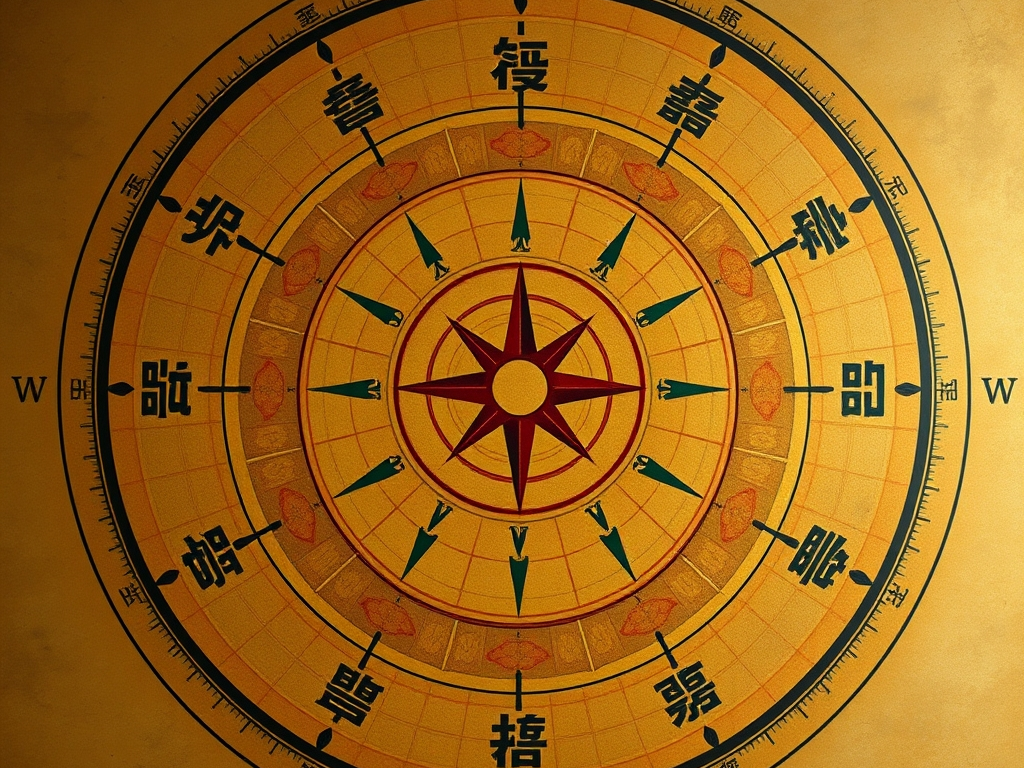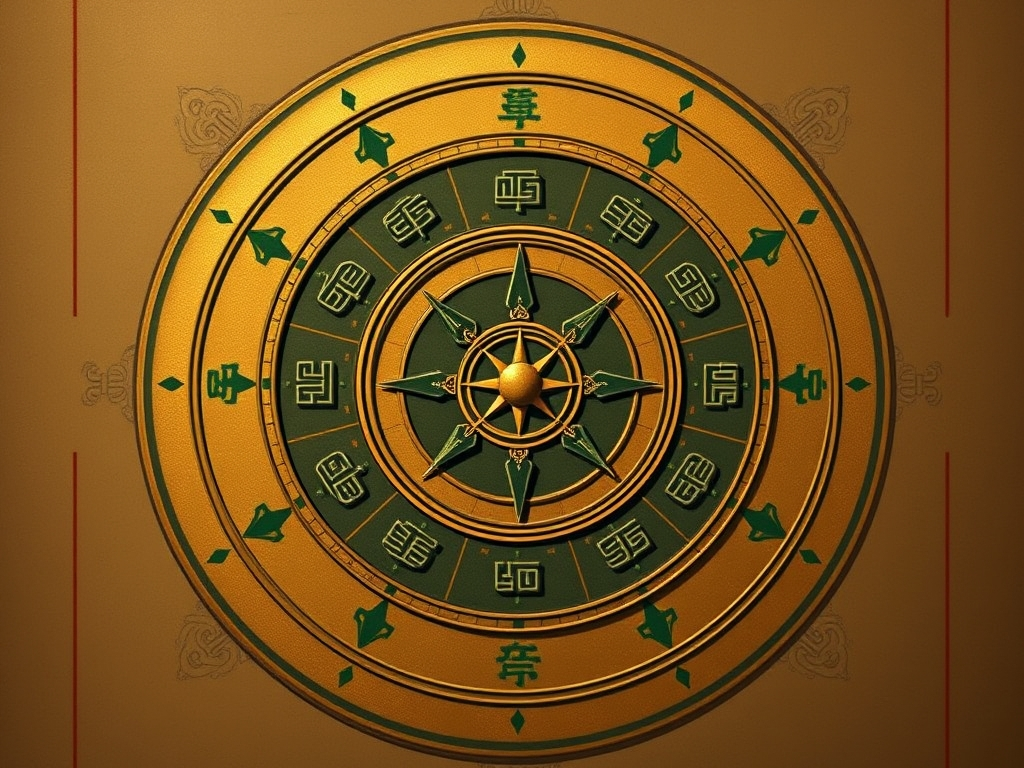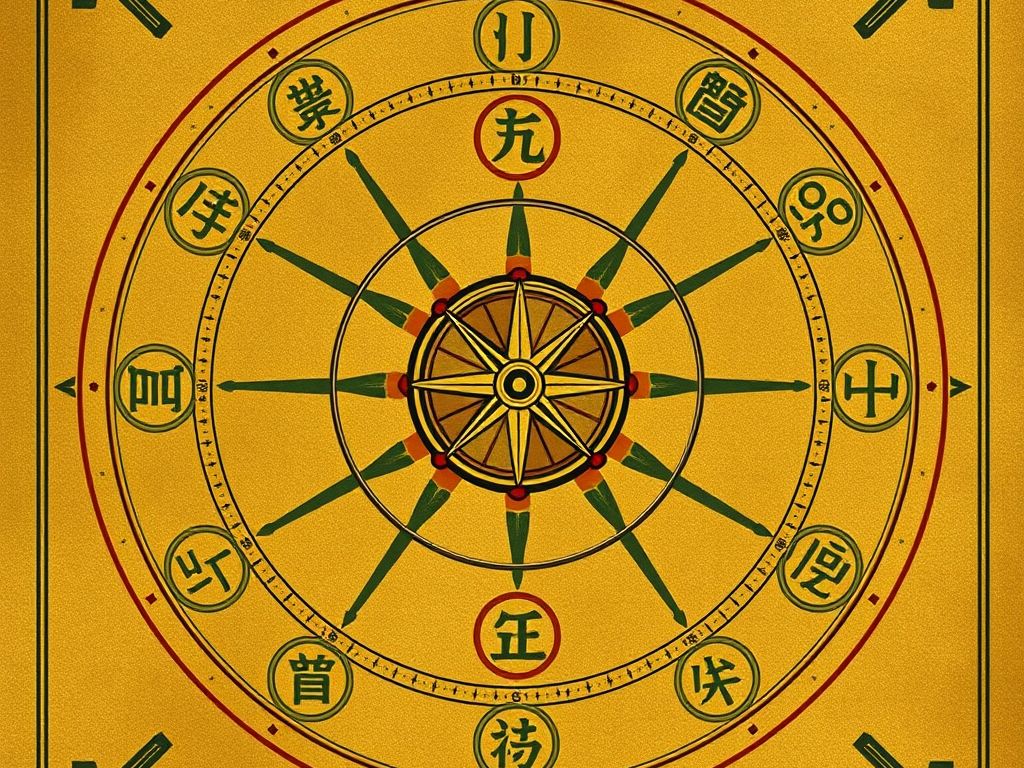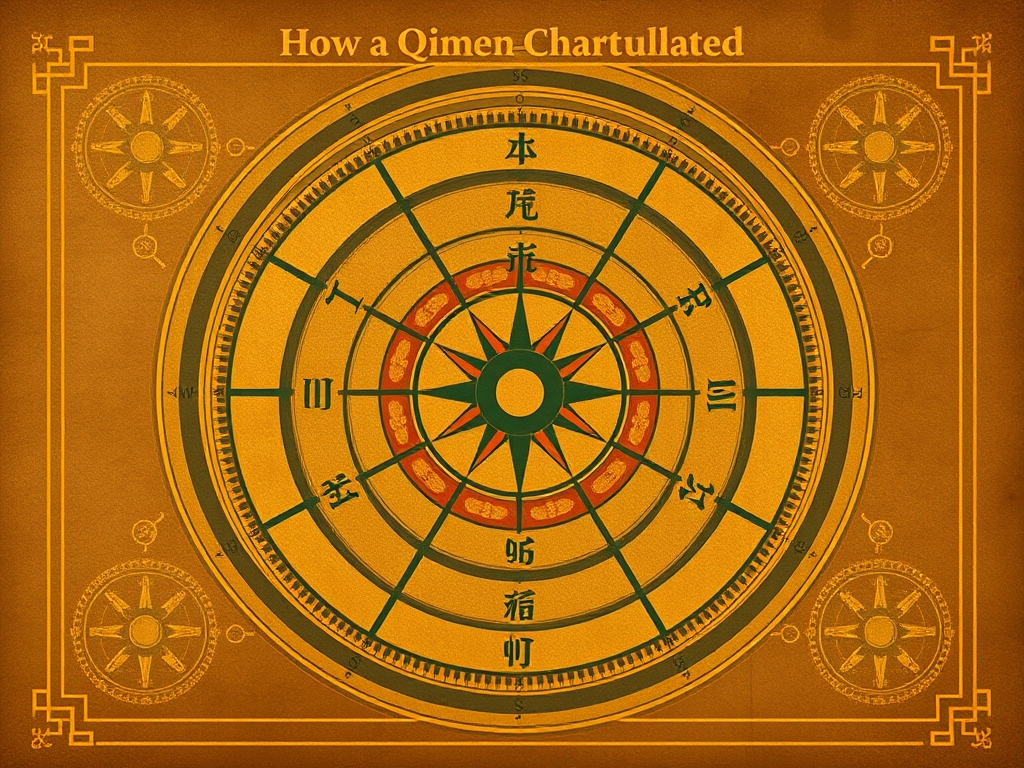
A Qimen chart looks complex because it contains many symbols at once, but the calculation underneath it is a sequence of fixed steps. Once you understand those steps, a chart stops being a wall of mystery and becomes a structured snapshot of time and direction. This article walks through the building blocks and the calculation order in plain language, so you can follow a chart rather than simply receiving one.
If you are completely new, start with What Is Qimen Dunjia? A Grounded Introduction before diving into the mechanics.
The Inputs: Time, Place, and Question
Every Qimen chart begins with three inputs. The first is time: the year, month, day, and hour, converted into the Chinese calendar frame of stems and branches. The second is place: the location from which the question is asked, because direction matters and "north" is only meaningful from somewhere. The third is the question itself, which determines which palace becomes the focus of the reading.
The time conversion is worth taking seriously. Because the chart is built on stems and branches, a birth-time error or a calendar confusion changes the entire arrangement. The same discipline applies here as in BaZi: use the solar terms and the correct local time. For the calendar basics shared across systems, see Understanding the Ten Heavenly Stems.
The Nine Palaces as the Frame
The chart is arranged in a three by three grid of nine palaces, each corresponding to a direction or the center. The palace positions are the skeleton of the chart. Into each palace, the calculation places one door, one star, one deity, and a set of stems. The center palace has special status, and the arrangement rotates around it as time changes.
The calculation therefore has two parts: fixing the palace layout for the time period, and then populating each palace with the correct symbols. The first part establishes the map; the second fills it with information. For the layout itself, read The Nine Palaces in Qimen Explained.
The Steps of Calculation in Order
A complete calculation follows roughly this sequence:
- Convert the current year, month, day, and hour into stems and branches.
- Determine the appropriate ju, or pattern, for the day and hour.
- Place the three Odd and Six Ceremonies stems into the palaces.
- Assign the eight doors to their palaces according to the pattern.
- Assign the nine stars according to the rotation.
- Place the eight deities around the palaces.
- Identify the palace that answers the question and read it with its neighbors.
The list looks long, but each step is mechanical. Software can generate charts in seconds; the human skill is interpretation, not arithmetic. For the layer of the Eight Gods, read The Eight Gods and the Tone of a Chart.
Common Calculation Mistakes
The most common mistake is using the wrong hour stem and branch, often because of daylight-saving confusion or an incorrect timezone. The second is ignoring the solar terms when converting the month, which shifts the entire pattern. The third is treating the center palace as empty; the center carries meaning and cannot be skipped.
If you calculate by hand, always verify the day stem and branch first, because every later step depends on them. If you use software, verify the time inputs before trusting the output. For the role of the hour specifically, see The Role of the Hour in Qimen Reading.
From Calculation to Reading
Calculation produces a chart; reading produces a decision aid. The chart tells you which symbols are present and how they sit relative to the question. The reading translates those symbols into conditions: this direction looks open, this door suggests waiting, this star suggests momentum that needs structure. The translation is where experience matters, and it is also where the discipline of honesty matters most.
When you receive a chart, ask where each symbol came from and what it changes about your plan. That question keeps the system grounded. For the practical side of acting on a chart, read Qimen Time and Direction and Qimen for Launch Timing and Planning.
Checking a Chart Before You Trust It
Because charts can be generated by software in seconds, the practical skill is not calculation but verification. Before you act on a chart, check three things: the hour stem and branch match the time you entered, the location matches where the question is asked, and the arrangement matches the pattern you expect for that day. The first check catches most errors, because timezone and daylight-saving mistakes are common.
You can verify the hour stem and branch with a reference table or a calendar tool in under a minute. If the day stem is wrong, every palace is wrong, and no amount of interpretation skill can repair the foundation. This is why experienced readers treat data verification as part of the reading rather than a boring preliminary.
A useful habit is to record the inputs alongside the chart: date, time, timezone, location, and question. When a reading later feels off, the record tells you whether the problem was the data, the calculation, or the interpretation, and it makes your study reproducible instead of guesswork.
As you practice the verification steps, you will notice that most errors are small and mechanical, which is good news: they are fixable before they affect a decision. The reader who verifies inputs, records them, and rechecks the output is doing the real work of the craft. Calculation is arithmetic; verification is judgment, and judgment is what separates a chart from a guess.
FAQ
Do I need to calculate charts by hand?
No. Understanding the steps helps you evaluate output, but software handles the arithmetic reliably.
Why does the chart change every hour?
Because the hour stem and branch are part of the inputs, and the pattern shifts with them.
What is a ju in Qimen?
A ju is the underlying pattern that determines how stems, doors, and stars are placed in the palaces.
How important is the location in the calculation?
Very important, because direction is measured from the place where the question is asked.