Choosing a favorable direction with Qimen means identifying a directional palace whose symbolic conditions appear comparatively suitable for a defined purpose at a defined time. "Favorable" is always conditional. It does not mean that a direction is permanently lucky, that every destination in that sector is useful, or that moving toward it guarantees a result.
Start With Purpose, Not the Compass
A direction cannot be evaluated until the action is clear. Favorable for resting may not be favorable for public visibility. Favorable for research may not be favorable for rapid sales. State what you plan to do, who is involved, what outcome would be useful, and how much time is available.
Compare realistic actions rather than abstract compass points. "Which direction is lucky today?" is too vague. "How do the west-side client office and the southeast conference venue compare for Thursday's contract discussion?" identifies destinations, timing, and purpose. It also allows practical facts to enter the analysis.
If there is only one feasible destination, the question may be how to prepare for that trip rather than whether to choose another direction. Qimen can still prompt attention to timing, communication, and risk. It should not manufacture options that do not exist.
Read the Direction as a Palace
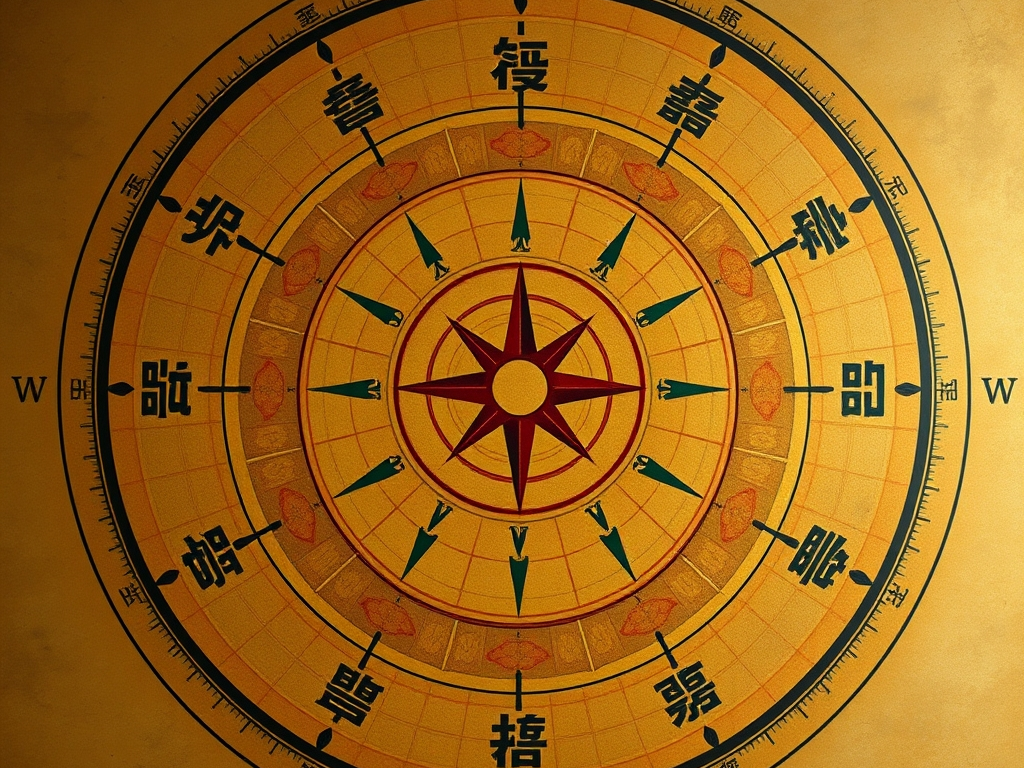
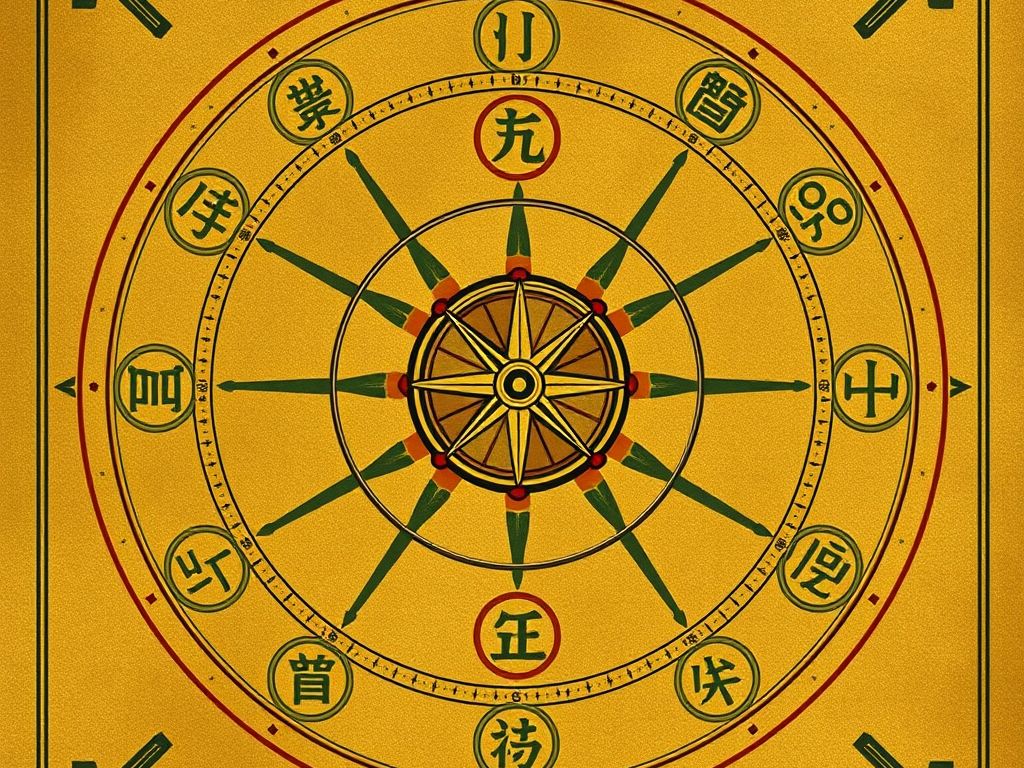
Each outer palace in the Qimen grid corresponds to one of eight directions. The reader studies the layers in a relevant palace, including Doors, Stars, Deities, stems, and relationships used by the chosen method. The palace is a symbolic environment, not a simple traffic signal.
Describe the combination before deciding whether it helps. Does the Door fit the activity? Do the Star's qualities suggest adequate capacity? Does the Deity indicate a tone that suits the objective? How does the directional palace relate to the palace representing the person or action? A strong-looking palace that has little connection to the question may be less useful than a moderate one that fits the purpose closely.
Keep translation limits in mind. A symbol with a pleasant English name can still indicate overconfidence, excessive ease, or the wrong kind of activity. A difficult-sounding symbol can support closure, investigation, privacy, or disciplined caution. Directional selection requires synthesis.
Combine Purpose, Time, Direction, and Feasibility
A grounded directional choice has four parts. Purpose defines what qualities matter. Time identifies the chart and the action window. Direction identifies the palace and origin. Feasibility determines whether the action can be performed safely and responsibly.
These parts can conflict. A direction may look symbolically appropriate but require a six-hour detour. A good time may occur when the destination is closed. A feasible route may not match the preferred palace but may still be improved through earlier preparation or a different communication method. The purpose of analysis is to make tradeoffs visible, not to deny them.
Use a simple comparison sheet. For each option, record the Qimen observations, travel time, cost, schedule, safety factors, accessibility, and expected practical benefit. Any option that violates a firm constraint should be removed before symbolic ranking.
Travel Example: Two Networking Events
Taylor can attend one of two professional events on the same evening. Event A is north of home, nearby, and focused on Taylor's industry. Event B is southwest, farther away, and has a broader audience. Taylor's goal is to meet potential research collaborators, not simply collect business cards.
In a hypothetical chart, the northern palace suggests steady access and a calm atmosphere, while the southwestern palace suggests visibility and rapid exchange but scattered attention. Neither description proves who will attend or whether a useful conversation will occur.
Taylor checks the speaker lists and learns that Event A includes two relevant laboratories, while Event B has no confirmed research participants. The evidence and symbolic picture both support Event A. Taylor prepares two specific questions and contacts one attendee in advance. If Event B had the stronger participant list, that concrete relevance might outweigh a modest symbolic preference for north.
The direction contributes to a reasoned comparison. The actual value comes from the event's fit, preparation, and Taylor's respectful engagement.
When Movement Is Part of the Practice
Some Qimen practices involve facing, traveling, or beginning an action toward a selected direction. If you use such a method, define the origin, distance, duration, and intended activity. Follow one coherent source rather than combining fragments from several schools.
Do not perform purposeless or unsafe movement merely to satisfy a compass instruction. Driving while tired, entering an unfamiliar area at night, ignoring weather alerts, or spending beyond your means is not made wise by symbolism. A short, safe, meaningful action is preferable to an elaborate ritual detached from reality.
Respect private property and public rules. Directional practice never authorizes trespassing, surveillance, or unwanted contact. If another person is involved, their consent and schedule remain part of feasibility.
Remote and Online Actions
Modern work raises questions that traditional travel examples do not settle automatically. You might submit an application online, host a video meeting, or launch a website used around the world. There may be no single physical destination.
Practitioners handle this in different ways. One may use the person's facing direction, another may focus on the physical location of a relevant party, and another may treat palaces as symbolic representations while emphasizing timing. These are methodological choices, not facts that can be presented without explanation.
For a remote action, ask whether direction adds meaningful decision support. If changing your desk orientation is safe and helps create a deliberate start, it may serve as a personal practice. It does not change server reliability, application quality, audience demand, or the recipient's judgment. Test the technology, verify the file, and meet the deadline.
A Directional Decision Checklist
- Define the action: Write the purpose and desired practical result.
- Fix the window: Record when the action can realistically occur.
- Set the origin: State where each direction is measured from.
- List real options: Include only available destinations or actions.
- Read the palaces: Interpret layers and relationships in context.
- Check constraints: Review safety, law, cost, access, health, and consent.
- Choose and prepare: Translate the reading into concrete safeguards or preparation.
This checklist keeps direction integrated with strategy. If you cannot explain why the destination serves the purpose, do not select it simply because of the compass.
FAQ
Is one direction always favorable for me?
No. Qimen directions depend on the chart time, purpose, symbols, and relationships being considered. A direction is not a permanent personal lucky sector.
Can I choose a direction without a destination?
Some practices use facing or brief movement, but a meaningful purpose and safe method are still needed. For practical planning, comparing actual destinations or actions produces clearer decisions.
What if practical evidence favors another direction?
Give reliable evidence appropriate weight. A more relevant event, safer route, qualified doctor, binding deadline, or required office cannot be dismissed. Use the chart to improve preparation for the feasible choice.
Does a favorable direction guarantee success?
No. Outcomes depend on preparation, other people, changing conditions, skill, chance, and many other factors. Directional symbolism offers perspective, not a promise.
Where to Go Next
Review the underlying time and spatial principles in How Qimen Dunjia Uses Time and Direction. For a broader decision process, continue with Qimen Dunjia for Everyday Decision-Making. You can also explore the complete Qimen guide collection. Practice by comparing two safe, real options and writing how purpose, time, direction, and feasibility each influenced the final choice.