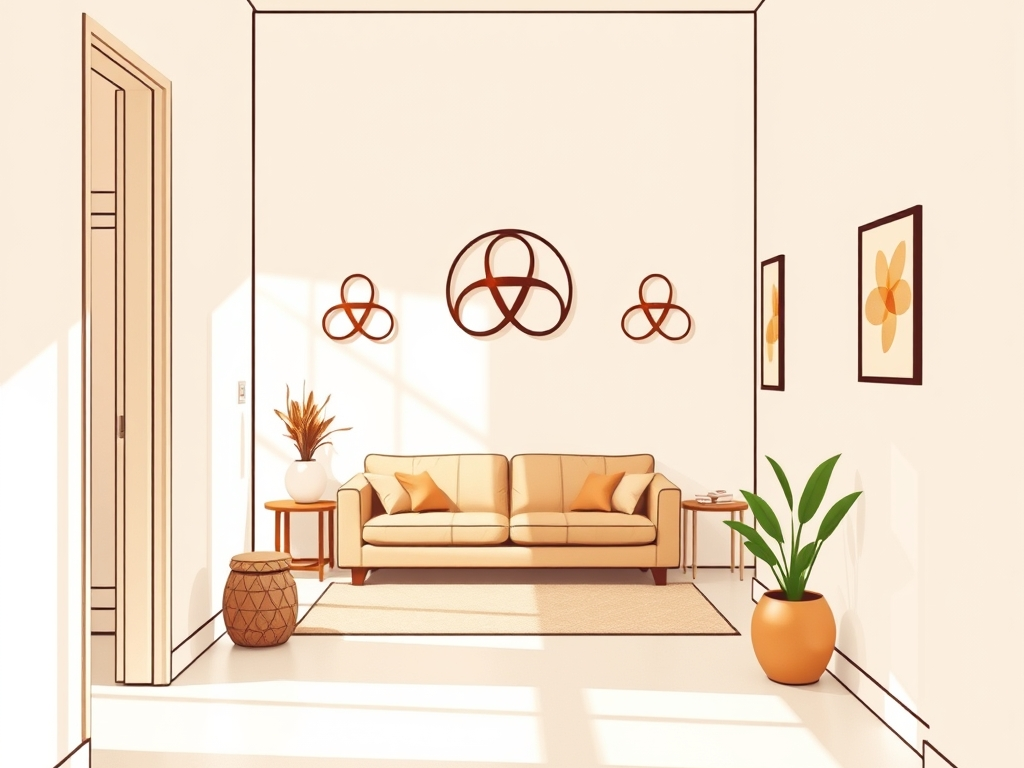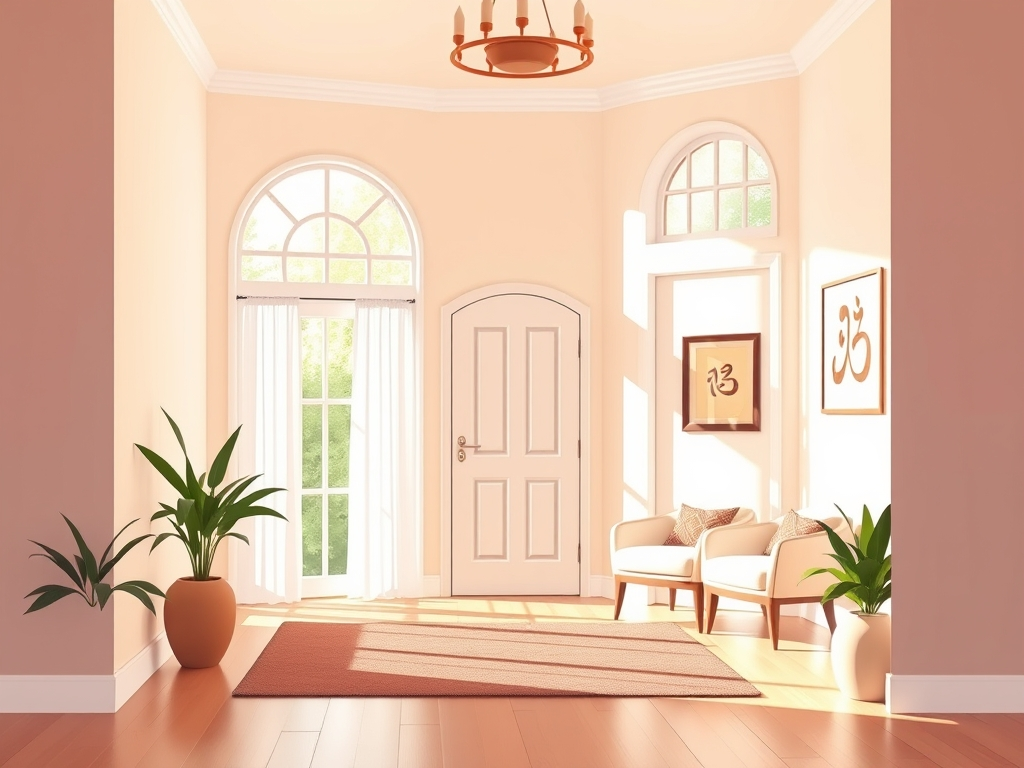
The living room is where people gather, and Feng Shui treats it as a social space first. The seating arrangement, the light, and the amount of clutter all shape how easy it is to relax and talk. A room that supports conversation is doing its job, regardless of how it looks in a photograph.
Social energy is practical: eye contact, comfort, and flow. When seats face each other and paths stay clear, conversation happens naturally. When seats line the walls and the room splits, talking feels harder, even if the furniture is beautiful.
Seating That Invites Conversation
Arrange seating so people can see each other without straining. Avoid lining every seat against a wall in a way that splits the room, and keep a clear path between the door and the seating area. Comfort and eye contact matter more than any rule.
A simple test is to sit in each seat and ask whether you can see the other seats without turning. If one seat is isolated, pull it into the circle or give it a clear role, such as a reading chair. The room should make the social choice easy.
For the background, start with What Is Feng Shui? and How the Bagua Relates to Different Areas of Life.
Light, Texture, and Clutter
Use warm, adjustable light and a mix of textures to make the room feel lived in. Keep surfaces mostly clear and give every item a reason to be there. A room with less visual noise makes conversation easier.
Lighting is the fastest change. Overhead light alone can feel flat, while a lamp beside the sofa creates pools of warmth that make people want to stay. Texture adds the same warmth through cushions, rugs, and natural materials, and both are easier to change than furniture.
- Arrange seats so everyone can see everyone else.
- Keep the path from the door to the seating clear.
- Add warm, adjustable light in at least two corners.
- Clear surfaces to a few meaningful items.
- Mix textures with cushions, rugs, and natural materials.
- Test the room by hosting a short conversation in it.
The checklist turns social energy into concrete, testable adjustments.
What to Remove First
Clutter is the first thing to remove in a living room. Boxes, piles, and furniture that blocks the path all compete for attention and make the room feel heavier than it is. Clear the entry path, then the surfaces, then the floor around the seating.
After clutter, remove anything that isolates a seat or splits the conversation. A long sofa facing a wall, a chair turned away, or a table that separates people all reduce social energy. These are practical choices, and they are easier to change than most people expect.
How to Test the Room
The most reliable test is to use the room. Host a short gathering, even a two-person conversation, and notice where people sit and how the conversation flows. If everyone clusters in one corner, the arrangement is guiding them there; adjust the seats to spread the flow.
The test also reveals the room at night, when the light changes. If the evening light feels harsh or dim, adjust the lamps before blaming the layout. The room works when conversation feels easy, and that feeling is the best measure of success.
More ideas are in What Makes a Space Feel Balanced? and the Feng Shui overview page.
A Conversation Test for the Living Room
The conversation test is simple: sit in each seat of the living room and ask whether you can comfortably see the other seats. If a seat is isolated, either pull it into the circle or give it a clear purpose. The test takes five minutes and reveals most social-energy problems.
Next, walk the path from the door to the seating area. If anything blocks the path, move it. A clear path makes the room feel welcoming, which is the first condition for conversation.
Then test the light in the evening. Turn on the lamps and sit in the conversation area. If the light feels harsh or dim, adjust before changing anything else. Light is the fastest way to change how a room feels at the hour when people actually gather.
Finally, host a short conversation and watch where people sit. The room will reveal its strengths and weaknesses within ten minutes, and you will know exactly what to adjust next.
A Living Room Social Checklist
Use this checklist before a gathering or whenever the room feels flat.
- Every seat can see the other seats comfortably.
- The path from the door to the seating is clear.
- At least two lamps create warm pools of light.
- Surfaces are clear to a few meaningful items.
- Textures add softness through cushions, rugs, or throws.
- No single seat is isolated or turned away from the group.
- Tables are within reach of the seats without blocking flow.
- The room has one calm visual anchor.
- Evening light feels warm rather than harsh.
- A short conversation in the room feels easy.
Run the checklist when the room starts to feel heavy or before hosting. The final item, a conversation, is the real test, and the room will show you what to adjust next.
The living room also benefits from seasonal adjustment. In summer, lighter fabrics and more airflow keep the room comfortable for evening gatherings. In winter, warmer textures and lamps make it inviting. The same room can serve different social rhythms through the year, and a small seasonal pass keeps it aligned with how people actually use it.
FAQ
Does the living room need plants or art?
Only if they support the feeling you want; choose what genuinely helps the space.
Can furniture arrangement really change social energy?
Yes, because it changes eye contact, comfort, and flow, which are very practical things.
What if my living room is also a dining room?
Define each zone clearly with rugs or lighting, and keep the conversation area facing itself.
How much should I declutter?
Enough to see surfaces and move easily; there is no required number of items.
For more on this topic, browse the Feng Shui library, the Feng Shui overview, and the general foundations.