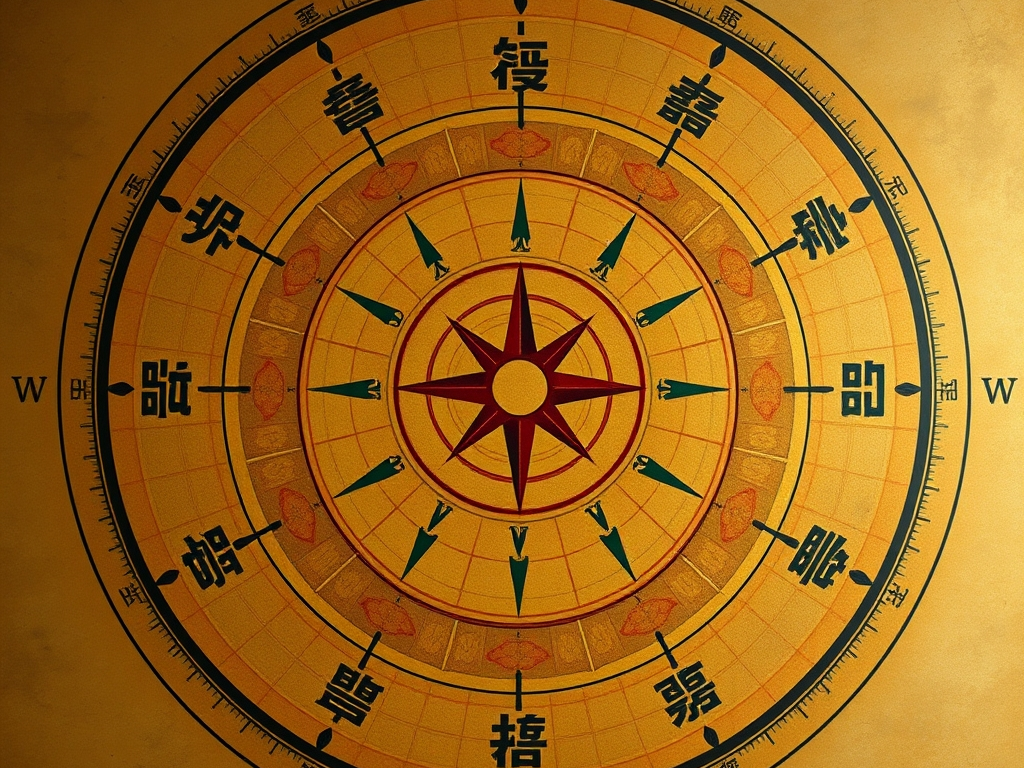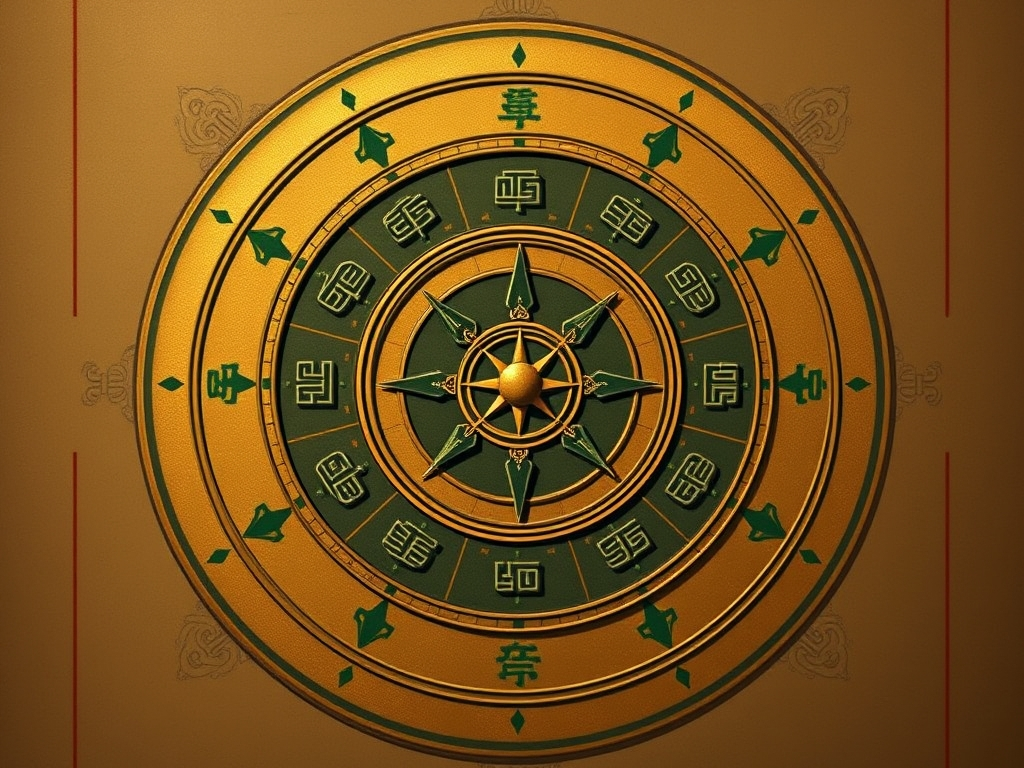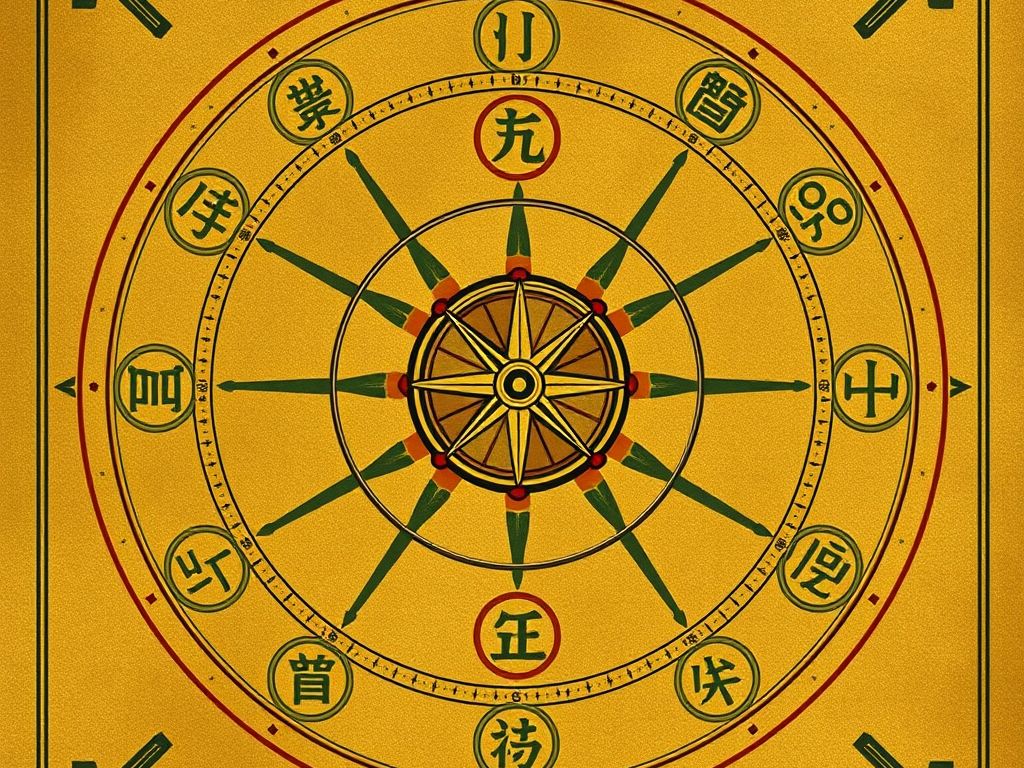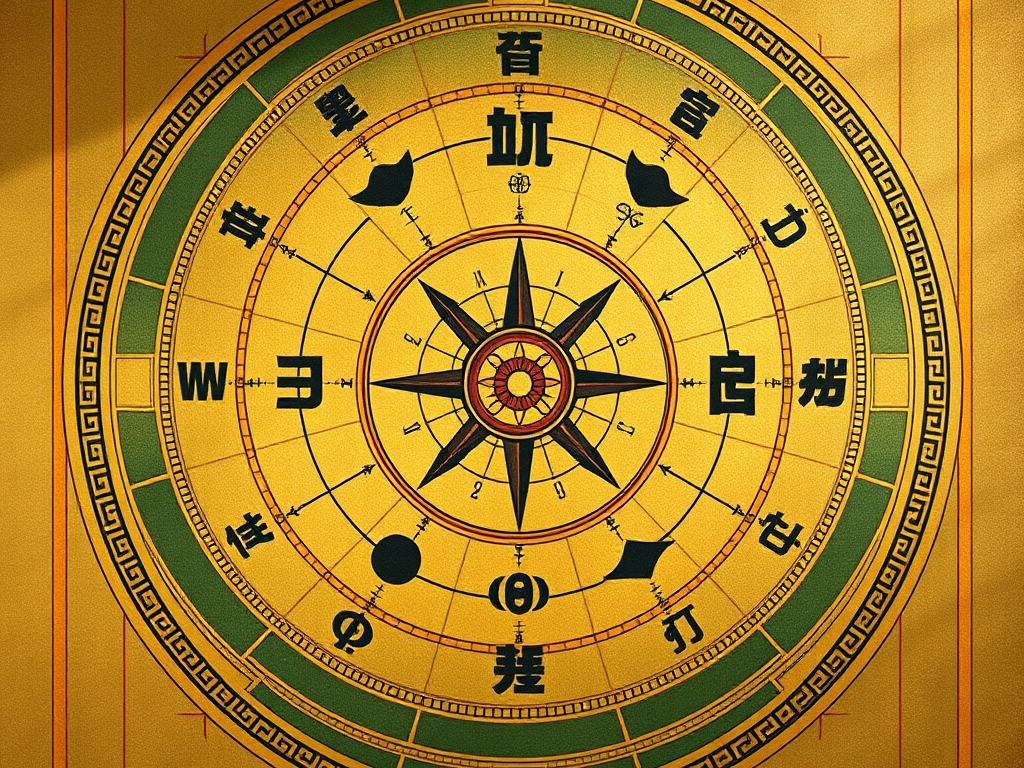
Most people meet Qimen through its symbols and never ask the structural question: how does this board actually organize information? The answer matters, because the whole value of Qimen is compression. One chart holds the current moment, a direction, a question, and a set of conditions, arranged so they can be compared at a glance. Once you understand the organization, the symbols stop being a random collection and become a filing system. For the foundations, start with What Is Qimen Dunjia? A Grounded Introduction.
This article explains the organizing logic of the Qimen board and gives you a simple way to read the layout without getting lost.
Time Is the Spine
The first thing a Qimen chart does is fix a moment. The chart is cast for a specific solar term, day, and hour, and those choices determine the palace arrangement, the active door, and the overall character of the board. Time is the spine because everything else hangs off it: the same question asked at a different hour produces a different chart, and that is the entire premise of timing work in Qimen. For why the moment matters, read Qimen Timing: Why the Moment Matters.
In practice this means the first step of reading any chart is stating its time: the term, the day, and the hour. If you cannot state them, you cannot compare two charts honestly, and comparison is where most of the insight lives.
Direction Is the Map
The second organizing layer is direction. Each palace on the board carries a compass direction, and the direction layer is what lets Qimen answer movement questions: which way to travel, where to look, how energy is flowing relative to the questioner. The board is, in effect, a map laid over the current moment, with the nine palaces as regions and the doors and stars as the conditions inside each region.
Reading the map means asking where the question sits on it. A career question has a region, a trip has a direction, and a relationship question has a placement; the board organizes the answer by showing which regions are strong, open, or blocked right now. For the directional layer, read Direction and Movement in Qimen and The Limits of Direction-Based Advice.
The Palaces Are the Filing System
Think of the nine palaces as nine labeled drawers. Each drawer holds its own set of door, star, deity, and stems, and the drawers relate to each other through the board's cycles and the center palace. The organization is what makes comparison possible: you can look at two drawers side by side and ask which one is more open, which one carries more support, and which one is currently disturbed. That side-by-side reading is the core skill of chart interpretation.
Beginners often try to read every palace at once. A better habit is to read the few palaces that matter for the question and leave the rest alone. For the role of each palace and the center, read The Nine Palaces in Qimen Explained and The Center Palace in Qimen.
Reading the Board in Order
Use a fixed sequence until the layout feels automatic. Start with the time and the term, then locate the question's palace. Read that palace's door, then its star and deity, then the stems. Next, compare it with one or two adjacent or opposite palaces to see relative strength. Finally, note the active door of the hour, which often colors the whole board. Write the result as a short paragraph before you decide anything.
- State the chart's solar term, day, and hour.
- Locate the palace that covers your question.
- Read the door, star, deity, and stems in that palace.
- Compare with one neighboring palace for relative strength.
- Note the hour's active door, then summarize in plain language.
The sequence is deliberately short. Qimen rewards a few well-chosen observations over a full-board inventory. For the decision side of the same skill, read Qimen for Daily Decision-Making.
What the Organization Does for You
The organizing logic turns a single moment into a readable map, and that is what makes Qimen useful for planning. You can compare today's chart with tomorrow's, see which regions shift, and choose your moment and direction with the map in hand. The board does not decide for you; it arranges the information so the decision is better informed. For what a chart can honestly clarify, read What a Qimen Reading Can Clarify.
Once the filing system is clear, the symbols become details inside an order you already understand, and the whole board becomes faster to read, harder to lose, and easier to trust.
Comparing Two Moments
The organizing logic earns its keep when you compare two charts. If a decision can be made today or tomorrow, cast both charts and compare the relevant palaces side by side: which one has the more open door, which one carries less pressure, and which one places the question in a stronger region. The comparison is structural rather than magical; you are choosing the moment whose conditions better match the action you plan. Keep the comparison to one question and two moments, because the method degrades when the board becomes a menu of options to browse.
For the comparison to stay honest, write the two palace readings in plain language before choosing. The act of writing forces the symbols to become claims, and claims can be compared; a mental impression of "this chart feels better" cannot. For the skill of comparing options, read Using Qimen to Compare Two Options.
The discipline of comparing moments is also the discipline of deciding: it asks what you want the moment to do, then checks which moment is built for it. That order, purpose first and chart second, is the same order that keeps every Qimen reading useful.
FAQ
Why does the chart change every hour?
Because the hour is part of the chart's calculation; each hour shifts the active door and the palace conditions, which is the basis of timing work.
Do I have to read all nine palaces?
No. Skilled readers focus on the palaces relevant to the question and use the rest for context.
Is the center palace important?
It is the pivot of the board and often the last one to interpret; its meaning depends on the other palaces around it.
Can two charts for the same hour look different?
Different schools and methods may arrange details differently, but the underlying time, direction, and palace logic is shared.