The first Qimen chart is intimidating because it is so full: nine palaces, stems, doors, stars, and deities, all competing for attention. The good news is that you do not need to read everything at once. A beginner can start with five simple checks and build from there. This article walks through a first chart the way a teacher might, naming what to notice first and what to leave for later, building on How a Qimen Chart Is Calculated.
What a Chart Looks Like
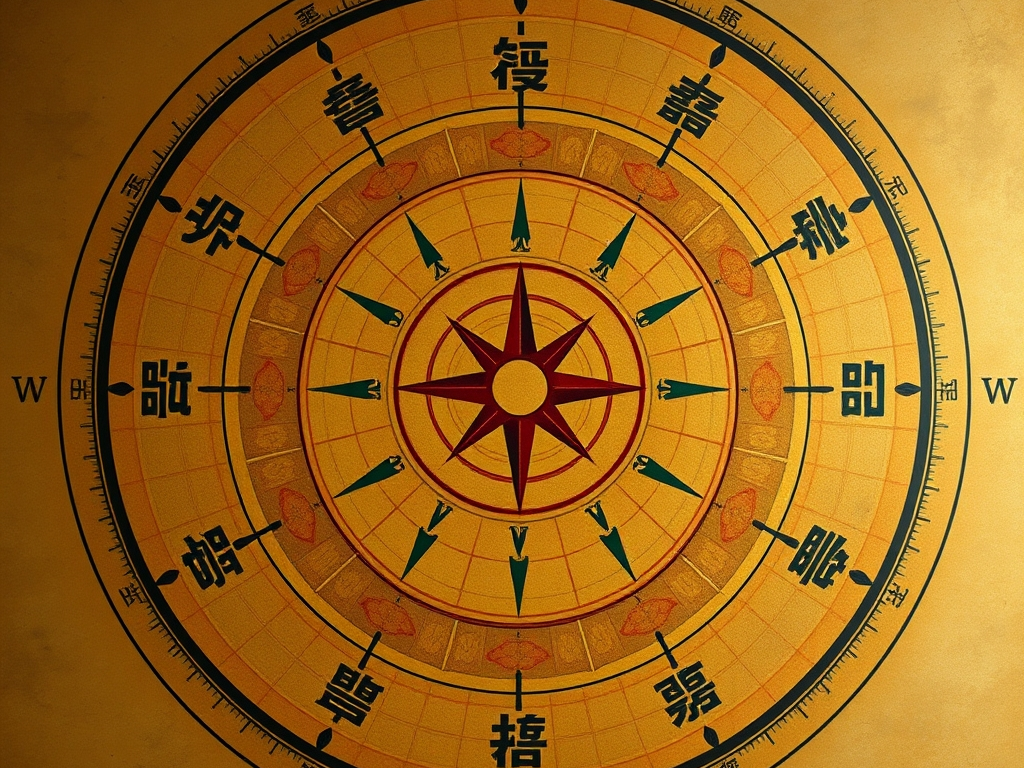
A Qimen chart is a three-by-three grid of palaces, with the center palace set aside. Each of the eight outer palaces contains a stem, a door, a star, and a deity, plus branches and other labels depending on the school. The chart is generated from the time of the question, which is why the same question asked at a different time produces a different chart.
For a first reading, treat the chart as a map of a moment. The palaces are regions of the map, the stems are the actors, the doors are the routes, the stars are the tones, and the deities are the atmosphere. You do not need to know every label to start noticing how the regions differ. For the palace structure, read The Nine Palaces in Qimen Explained.
The Five Things to Check
Start with these five checks, in order:
- The question's subject: find the palace that represents the thing you asked about.
- The door in that palace: is it open, closed, or somewhere between?
- The star in that palace: what tone does it add to the subject?
- The day and hour stems: where are you relative to the subject?
- The overall feel: does the chart lean toward action, preparation, or waiting?
The order matters. The subject anchors the reading, the door describes access, the star describes tone, the stems describe your position, and the overall feel summarizes the moment. Everything else, such as combinations and deity subtext, can wait until these five are comfortable. For the door and star layers, see The Eight Doors in Qimen and What They Mean and The Nine Stars in a Qimen Chart.
A First-Reading Checklist
When you sit down with your first chart, work through this checklist:
- Write the date, time, and question at the top of the page.
- Draw or print the chart and label the nine palaces.
- Mark the palace that represents the subject of the question.
- Write one sentence describing the door, one for the star, and one for your position.
- Combine the three sentences into one summary of the moment.
- Add a question mark to the summary and treat it as a hypothesis.
The checklist forces you to produce plain-language output, which is the difference between studying a chart and staring at one. A written summary can be checked, compared, and corrected later, and it becomes the foundation of your study journal. For that journal habit, read How to Keep a Qimen Study Journal.
Common Beginner Mistakes
The first mistake is trying to interpret every symbol at once. The chart has many layers, and beginners who read them all usually end with a confused paragraph instead of a clear hypothesis. The second mistake is reading the chart before writing the question. Without a fixed question, any symbol can seem relevant, and the reading drifts.
The third mistake is treating the summary as a verdict. Your first reading is a hypothesis about a moment, and real life is the test. If the moment behaved differently from the chart's description, that is useful data about how you read, not evidence that the system is broken. The same attitude is recommended in Reading Qimen Symbols Without Superstition.
When to Ask for Help
There is no rule about when a beginner should consult an experienced reader, but three situations are good candidates: a high-stakes decision, a chart that contradicts your clear hypothesis, and a question you cannot frame despite several attempts. In each case, a second reader provides what solo study cannot: an outside check on your reasoning.
Asking for help is part of the tradition, not a failure of study. Apprenticeship was the normal path for centuries, and even experienced readers compare charts with peers. For the ethics and expectations of professional readings, read Qimen and Ethical Decision-Making and When Is a Personal Reading Worth It?.
Keep the first chart simple by limiting the question. A first reading works best with a concrete question about a near-term moment, such as when to schedule a conversation or whether a week favors action or preparation. Broad questions about life direction produce charts with too much going on, and the five checks lose their focus. Narrow questions are how beginners build judgment, because they can compare the reading with what actually happens.
Once the summary is written, set it aside for the period the question covers. When the moment has passed, return to the summary and compare it with events: what matched, what did not, and which layer of the chart explained the difference. That comparison is the real lesson of the first chart, and it is the step that turns a beginner into a reader. Do not worry if the comparison is messy at first; charts describe emphasis, and real life includes many factors, so a partial match is a normal result and still teaches something useful. Keep the first few charts in the journal even when they confuse you, because they become the baseline you measure progress against.
FAQ
How long does it take to read a first chart?
With the five-check method, a first reading can be done in about fifteen minutes, plus time for writing the summary.
Do I need to memorize the whole system first?
No. Learn the five checks first, then expand to combinations, deities, and deeper layers as they become relevant.
What if my first summary is wrong?
That is normal. Treat the summary as a hypothesis, compare it with what happened, and note the difference.
Should I read charts for every question?
No. The system helps most with meaningful timing questions, not with routine decisions you can make directly.