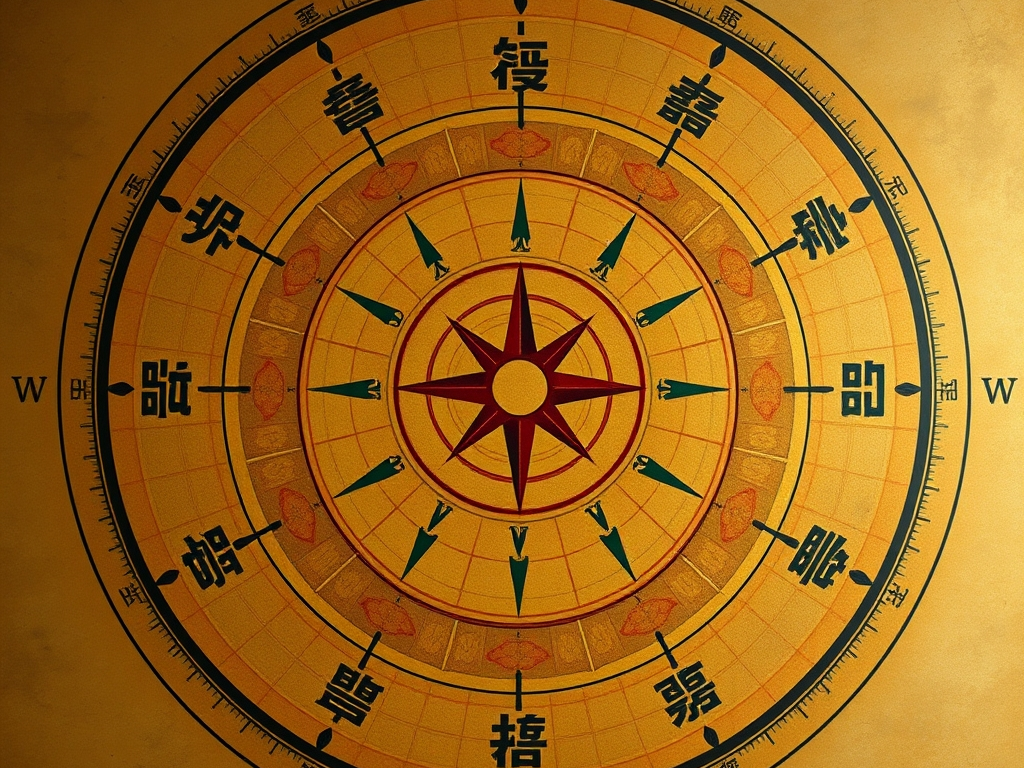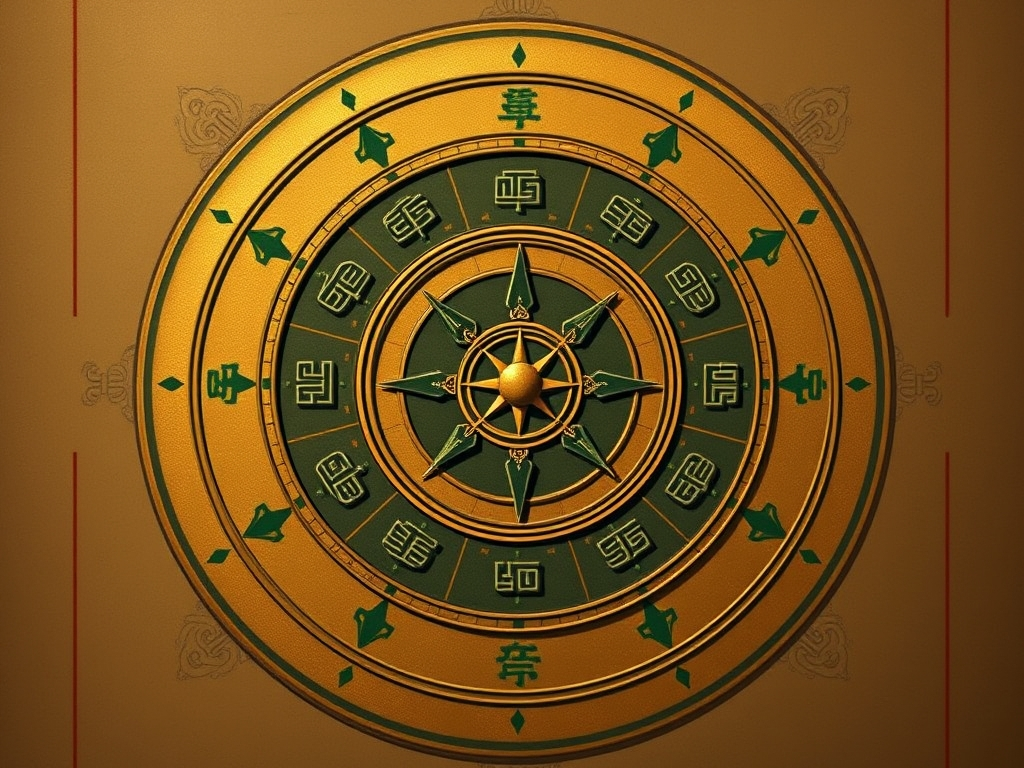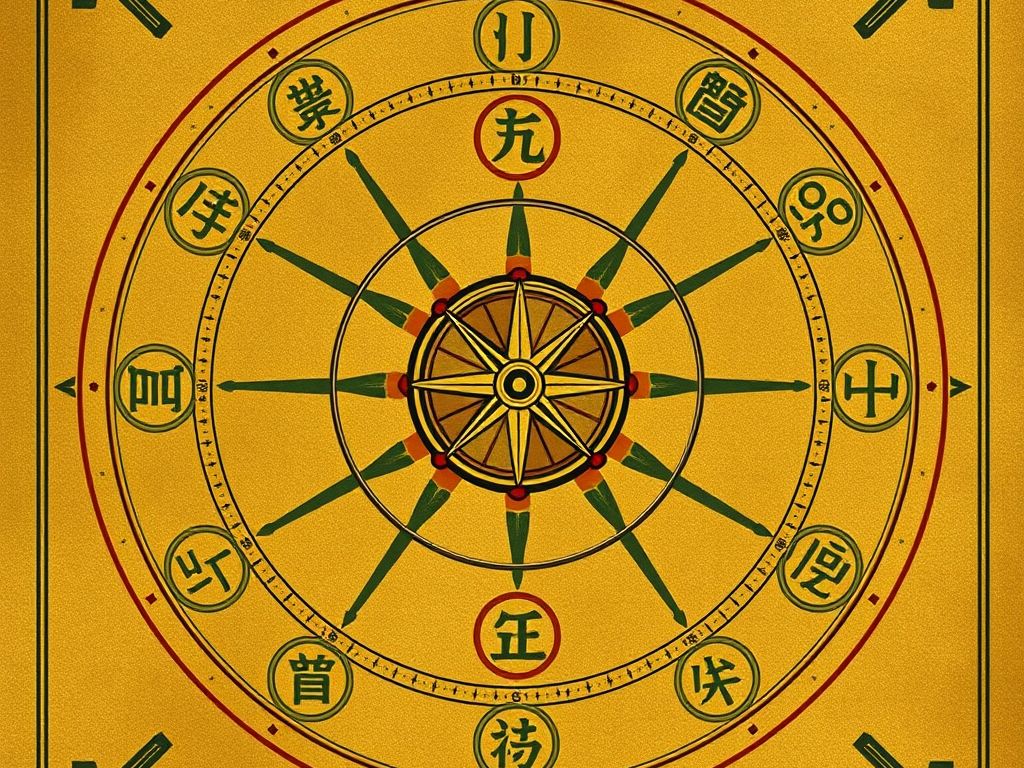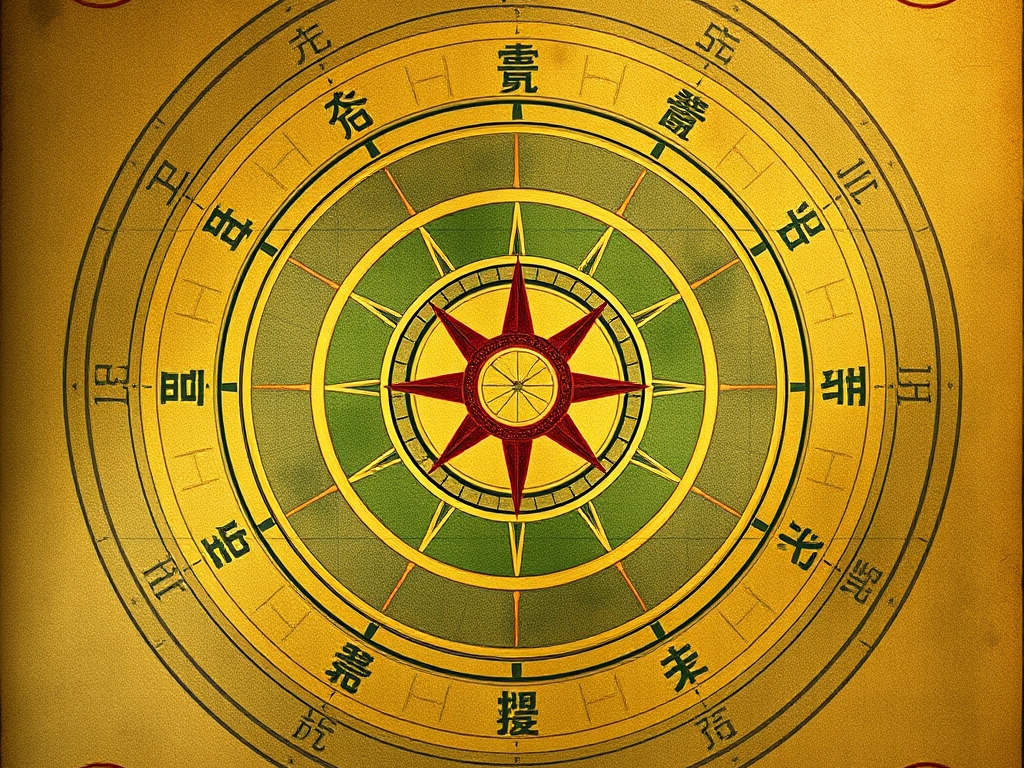
Beginners usually meet Qimen through its doors, stars, and palaces, but the heavenly stems are the thread that ties the chart together. The ten stems move through the nine palaces, carrying the day, the hour, and the three odd and six ceremonial energies with them. Readers who skip the stems can still describe a chart, but they miss the layer that connects the symbols to the question. For a grounded introduction to the whole system, start with What Is Qimen Dunjia? A Grounded Introduction.
This article explains what the heavenly stems are doing in a Qimen chart, how to read them at a beginner's level, and why they matter more for some questions than others.
What the Heavenly Stems Are Doing in the Chart
The ten heavenly stems are the same characters used across Chinese metaphysics: five pairs of yin and yang elements, from jia and yi wood through ren and gui water. In Qimen, the stems represent the energies present at the moment of the chart. The day stem is placed in its palace, and the hour stem sits in another, and the relationship between their positions is part of how the chart is read. The remaining stems are arranged around the nine palaces, creating a map of the moment's qualities.
You do not need to memorise every placement to use Qimen. What matters first is the grammar: each stem carries an element, each element has relationships with the other elements, and those relationships describe support, drain, control, and output. For the shared vocabulary, see Qimen Terms: Doors, Stars, and Deities.
The Day Stem and the Hour Stem as Anchors
In a typical chart, the day stem represents the person asking, and the hour stem represents the matter or the other party. The palace where the day stem sits shows the asker's position in the moment, and the hour stem's palace shows where the matter stands. The path between them, along with the doors and stars they meet, forms the basic reading. This is why the same chart can be read for different people: the day stem anchors the whole interpretation.
The practical lesson is simple: before reading anything else, find the two anchor stems. Everything else in the chart is commentary on the relationship between them. For the step-by-step mechanics of how the chart is built, read How a Qimen Chart Is Calculated.
Elements as the Underlying Grammar
Once you know where the stems sit, the reading runs on element relationships. A stem that feeds the day stem suggests support; a stem that drains it suggests cost; a stem that controls it suggests pressure; a stem that it controls suggests something manageable. The doors and stars colour this grammar, but they do not replace it. When a reading feels confusing, dropping back to the elements usually clears it.
This is also where the three odd and six ceremonial stems enter. The jia stem is traditionally the one being protected, and the other ceremonial stems take its place in the palaces. For most readers, the practical meaning is that certain stems carry special roles in timing and protection. For the detailed map, see The Three Odd and Six Ceremonies.
A Beginner's Way to Read the Stems
- Find the day stem palace and the hour stem palace.
- Name the element of each anchor stem.
- State the relationship between the two elements.
- Check which doors and stars accompany each anchor.
- Write one sentence describing the support, cost, or pressure in the moment.
The checklist keeps the reading structured without demanding years of memorisation. It also produces a sentence you can test against reality, which is how Qimen becomes a practice rather than a spectacle. For the plain-English version of the symbols, read Reading Qimen Symbols in Plain English.
When the Stems Matter More
Stem relationships matter most for questions about people and timing. If the question involves a negotiation, a partnership, or a conversation, the day and hour stems describe the two sides and their dynamic. If the question is about a date or a launch, the stems describe the quality of the moment itself. For questions about places or objects, the palaces, doors, and direction usually carry more weight.
Knowing when to weight each layer is a real skill, and it grows with practice. A useful discipline is to read the same chart twice, once through the stems and once through the doors, and compare the two descriptions. The overlap is usually the heart of the reading. For the discipline of comparing layers, see How Qimen Charts Organize Information.
Keeping the Stems in Proportion
The stems are one layer, not the whole system. A chart can be read carefully through the doors alone, or through the stars alone, and experienced readers move between layers depending on the question. The mistake is treating the stems as a hidden code that guarantees an answer. They describe conditions, not outcomes, and the conditions still depend on the person's choices and preparation.
Used in proportion, the stems give a Qimen chart its precision: they name who and what is involved, and how the energies relate at the moment of asking. For the ethical frame that keeps this useful, read Qimen and Ethical Decision-Making.
One beginner-friendly way to practice the stems is to read the same chart twice with different stems as the anchor. Cast a chart for a question, first reading it from the day stem's palace, then from the hour stem's palace, and notice how the description shifts. The exercise shows that the stems are not fixed meanings but positions in a relation, and it builds the flexibility that real reading requires. It also produces a useful habit: before interpreting any symbol, asking whose stem it belongs to, which keeps the reading anchored to the person and the matter.
FAQ
Do I need to memorise all ten stems before reading Qimen?
No. Learn the five elements behind the stems first; the details follow naturally with practice.
Which stem represents the person asking?
Traditionally the day stem represents the asker, while the hour stem represents the matter or the other party.
Why are the three odd and six ceremonial stems special?
They take the place of the jia stem, which is traditionally treated as the protected centre of the chart.
Can the stems alone answer a question?
No. The stems describe conditions; the full reading combines stems, palaces, doors, and stars with the question itself.