Reading a Qimen chart is one skill; explaining it is another. The best reading in the world is useless if the person listening cannot understand it, and many people abandon Qimen after one confusing explanation. The good news is that a clear explanation follows a simple structure: say what the chart is, what it shows about the moment, what it does not show, and what the person can do next. For the plain-English version of the symbols, start with Reading Qimen Symbols in Plain English.
This article gives you a repeatable way to explain a chart, whether you are helping a friend or describing your own study, without relying on jargon or false certainty.
Start With What the Chart Is
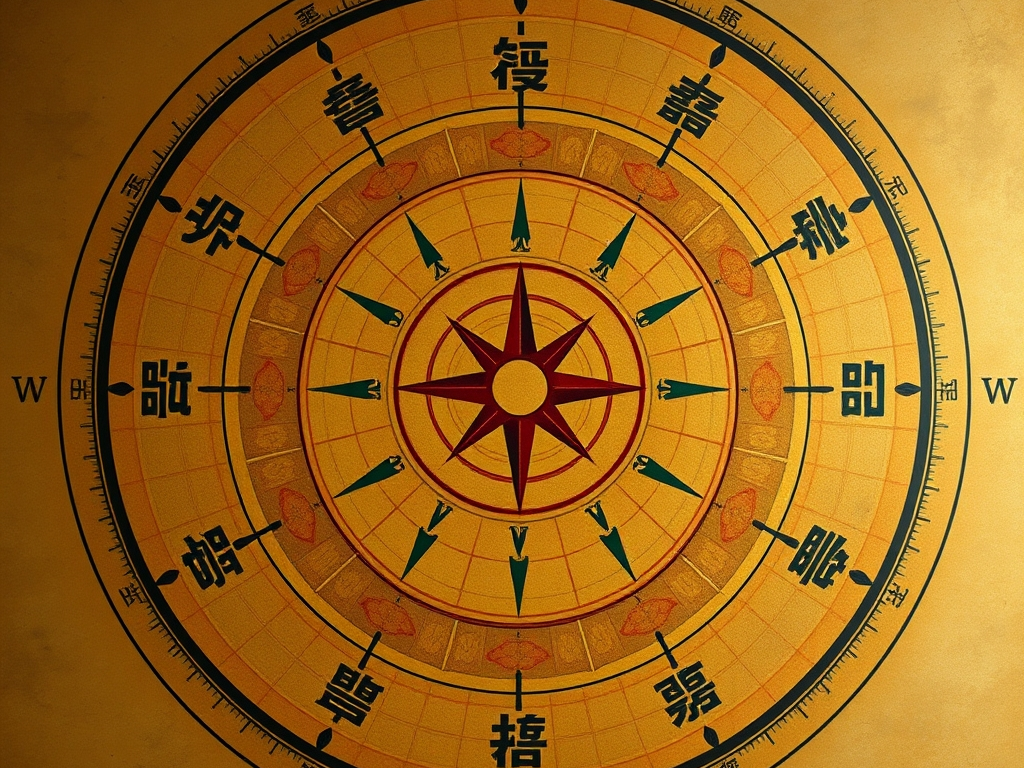
Before any symbol appears, say in one sentence what a Qimen chart is: a map of the energies of a particular moment, built from the time you ask and the direction you face. That sentence sets expectations. The listener now knows the chart is about conditions, not magic. Then show the structure of the map: nine squares, each a palace, with doors, stars, and stems inside. You do not need to name every element; you need to make the layout feel orderly.
The metaphor that helps most is weather. A chart describes the weather of a moment: supportive, demanding, shifting, calm. People know how to use a weather report without understanding meteorology, and the same applies here. For the structure of the nine palaces, see The Nine Palaces in Qimen Explained.
Explain the Question First
A chart only makes sense relative to the question, so state the question before the symbols. If your friend asked about a job interview, say: the chart is read for this interview, at this time, and these are the conditions it shows. Anchoring the explanation to the question prevents the listener from treating the chart as a general fortune. It also lets you skip symbols that are irrelevant to the question, which keeps the explanation short.
If the question is vague, say so kindly. A clear explanation begins with a clear question, and helping someone sharpen theirs is part of the service. For the art of shaping questions, read Preparing Questions Before a Qimen Session.
Use Plain Language for the Key Symbols
Translate the symbols as you go. The door in a palace is not a mystical object; it is the way energy enters or exits that part of the situation. The star is the underlying tone of the matter. The stem is the person or element involved. With those three translations, most listeners can follow a basic reading: the door here is open and helpful, the star is steady, and this stem represents your role in the matter.
Keep each symbol to one plain sentence and stop. A flood of technical terms makes the listener feel the chart is a code only experts can read, which is exactly the impression to avoid. For the vocabulary behind the symbols, see Qimen Terms: Doors, Stars, and Deities.
A Simple Structure for the Explanation
- One sentence on what the chart is.
- One sentence restating the question.
- Three plain sentences on the key palace or path.
- One sentence on what the chart does not show.
- One concrete suggestion for the next step.
The structure keeps the explanation under five minutes and leaves the listener with something usable. For the ethical habits that keep explanations honest, read Qimen and Ethical Decision-Making.
Say What the Chart Does Not Show
Every good explanation includes a boundary. The chart does not show the outcome, it does not reveal the other person's hidden intentions, and it does not remove the need for judgment. Naming these limits before the listener asks is a sign of respect. It also protects you: a person who knows the boundaries is less likely to blame the chart for a decision they made themselves.
One honest sentence works: the chart describes conditions, and the outcome still depends on what you do with them. This is not a disclaimer; it is the accurate description of how the system works. For the fuller argument, read Qimen as Decision Support, Not Certainty.
End With a Next Step
An explanation that ends with information is a lecture; one that ends with a next step is a conversation. Suggest one small action the person can take in the next week: prepare the question better, gather missing information, test a timing window, or simply observe how the conditions play out. The next step turns the chart from an object of wonder into a tool the person can actually use.
Ask them to report back, and the loop becomes practice. Explaining charts to others is one of the fastest ways to improve your own reading, because teaching forces you to know which parts matter. For the study routine that supports this, read How to Keep a Qimen Study Journal.
Follow-up questions are part of a good explanation, not a failure of it. When the listener asks what a symbol means again, or whether the chart predicts a specific outcome, answer plainly and keep the boundary: the symbol means this in this question, and the chart describes conditions, not guarantees. The most common follow-up, how can you be sure, deserves an honest answer rather than confidence: the chart is a structured way of looking, and you can test whether it helps over time. A listener who asks questions is engaged, and engaged listeners are the ones who come back with a better question next time.
FAQ
How much should I explain to a beginner?
Keep it to the structure above: what the chart is, the question, three key symbols, the limits, and one next step.
Is it okay to skip symbols I do not understand?
Yes, and it is often better. Explain the symbols that matter for the question and leave the rest for deeper study.
Should I warn people that Qimen is not fortune-telling?
Yes, in one plain sentence. It prevents misunderstanding and keeps the explanation honest.
How do I explain a chart to a sceptic?
Frame it as a structured way to look at conditions and options; sceptics usually accept a planning tool more easily than a prediction.