Qimen Dunjia is a timing and decision tool, which means the quality of the reading depends heavily on the quality of the question. A chart for "should I do this" produces a thin answer, because Qimen is not built to grade yes or no. It is built to compare options, show which direction and timing favor action, and reveal what a decision is actually made of. The question you bring into the session determines how much of that structure you get back.
Most people prepare for the logistics of a session but not for the content. They check the time, the fee, and the platform, then arrive with a worry that has never been written down. Writing the question down changes the session more than any other preparation step. If you are new to the system, What Is Qimen Dunjia? gives the framework before you prepare anything else.
Why the Question Shapes the Chart Reading
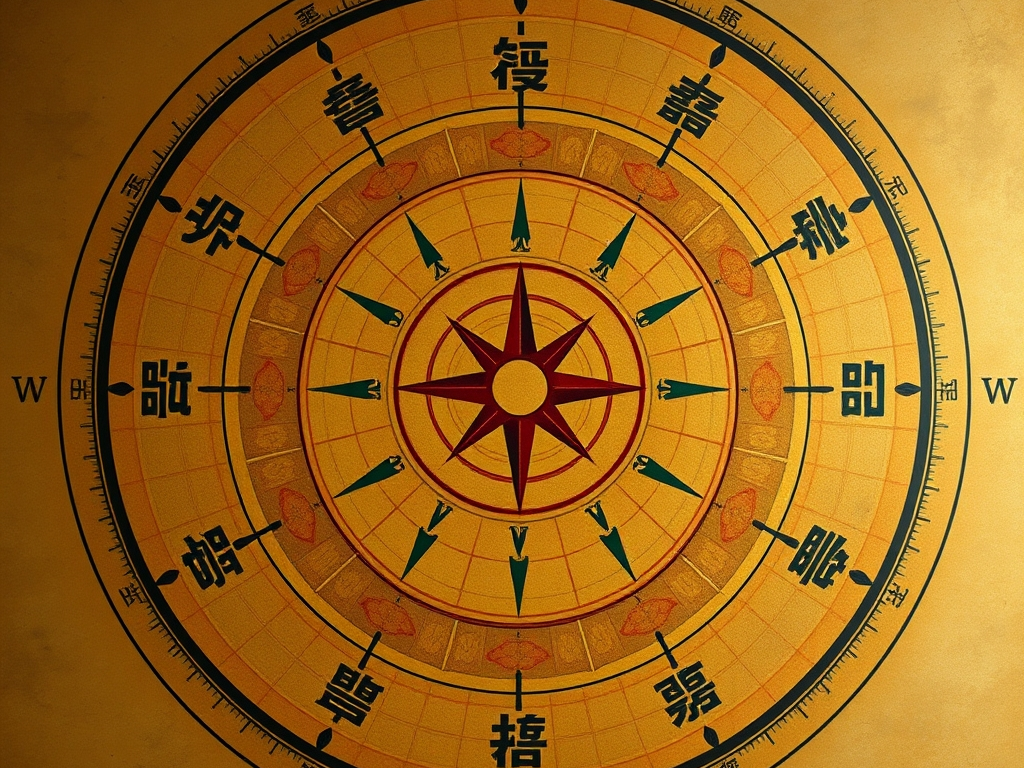
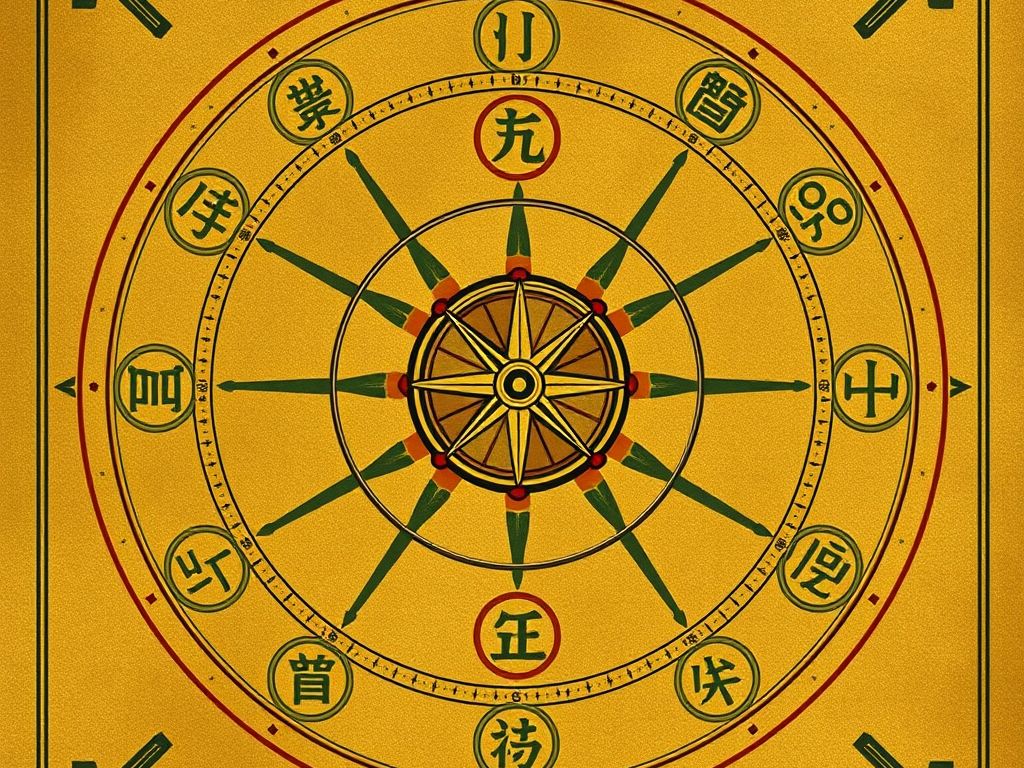
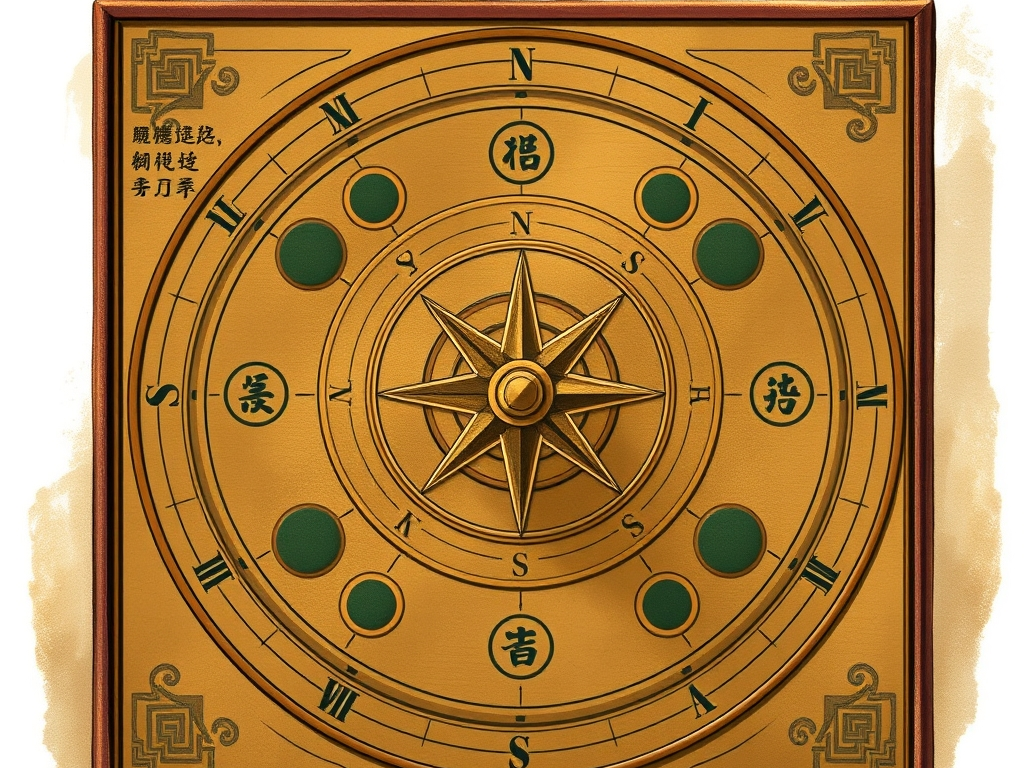
A Qimen chart is organized around the moment of the reading and the direction and palace structure of that moment. The reader looks at which doors, stars, and gods occupy the relevant palaces and how they interact. A vague question leaves the reader guessing which palace matters: career, partnership, travel, or health. A precise question tells the chart where to look, and the same hour can read very differently depending on the focus.
This is not a limitation of Qimen; it is the point. The system is designed for specific situations with specific alternatives. "Should I take the job in Shanghai or stay here?" is a Qimen question. "What should I do with my life?" is a life-coaching question that no chart can answer responsibly. For how charts organize this information, read How a Qimen Chart Is Calculated.
What Makes a Question Answerable
An answerable Qimen question has four parts. It names a concrete decision with at least two real options. It has a time horizon, such as this month, this quarter, or before the next seasonal change. It distinguishes what you control from what you are waiting on. And it is about fit and timing rather than about certainty. "Will it work out?" fails the test; "which option fits the coming month better, and what conditions should I watch?" passes.
The fourth part matters most in Qimen because the system is a decision-support tool, not a fortune-telling service. The chart can show that one direction is better supported at this hour and another is better supported next month. That is timing information, and timing information is only useful when you have a decision to schedule. A question that cannot be scheduled, such as a vague hope about the distant future, produces a chart that cannot be grounded, and the reader ends up guessing which window matters most. For more on how Qimen handles this distinction, read Is Qimen Fortune-Telling?.
A Preparation Checklist for Your Session
Use this checklist in the days before the session so you arrive with a sharp question:
- Write the decision in one sentence with the two or three real options named.
- Add the time window: by when does the decision need to be made?
- List what you control: preparation, budget, research, conversations.
- List what you do not control: other people's choices, market conditions, timing of replies.
- Write one secondary question about readiness: "What would make me more ready to act?"
- Bring the chart's output into your own planning system within 48 hours.
The last item is the one people skip. A Qimen reading is a piece of information that needs a home, and the home is your calendar and decision notes. For a structured way to ask useful questions, read How to Ask a Useful Qimen Question.
Common Question Mistakes
The most common mistake is asking about another person's intentions, such as "does he want to reconcile." Qimen describes your situation and timing, not a reliable mind-reading of someone else. The second mistake is stacking questions: three decisions, two relationships, and a health concern in one session. Each chart can support one focus well; choose the decision with the nearest deadline.
The third mistake is asking the same question repeatedly in search of a different answer. If the answer keeps saying the timing is poor, the information may be correct, and the problem is the plan, not the chart. Use a second reading to refine the question, not to argue with the first one. For more on using the tool without anxiety, read How to Use Qimen Without Creating Anxiety.
How to Bring the Answer Into a Decision
A well-prepared session produces three kinds of output: a favored direction or option for the window, a note on timing (act, prepare, or wait), and a list of conditions to watch. Take those three and write them as a plan. If the chart says one option is better supported in the current month, schedule the concrete steps for that month. If it says waiting is better, decide what you will do while waiting, because "wait" is only useful when it has content.
You can pair the reading with ordinary decision tools like pros and cons, budget sheets, and conversations with people you trust. Qimen organizes information; it does not replace the work of choosing. For more on combining the two, read Qimen and the Art of Waiting and Qimen for Daily Decision-Making.
FAQ
How many questions should I bring to a Qimen session?
One main decision with a clear time window, plus one readiness question. More focus means a deeper reading of the thing that matters most.
Can I ask about love or family in Qimen?
Yes, as long as the question is about your decision and timing, not about predicting another person's feelings.
What if my question has no deadline?
Choose a reasonable window anyway, such as the current month or quarter. Timing readings need a frame to be meaningful.
Should I prepare written notes to show the reader?
Yes. A one-page note with the decision, options, and window keeps the session focused and gives you a record to revisit.