People often bring a decision to qimen and discover that the decision was not the real problem. The real problem sits underneath: a question about timing when they asked about direction, a question about confidence when they asked about money, or a question about the relationship when they asked about the offer. A qimen chart is remarkably good at naming that hidden layer, because it forces the question into a shape with a subject, a moment, and a movement. If you are new to chart reading, start with A Beginner's First Qimen Chart.
This article explains how qimen surfaces the underlying problem, how to read the chart for it, and how to use that clarity to make a better decision.
Why the Surface Question Is Usually Wrong
A surface question is the one you can say out loud: should I take the job, buy the place, or end the partnership. It feels concrete, but it usually hides the real question, which is about what you actually want, fear, or lack. The chart does not solve the hidden question by magic; it exposes it by forcing precision. When the question is vague, the reading feels vague, and the vagueness is information.
That is why two people can cast for the same situation and receive different readings: their real questions differ. For the practice of finding the question behind the question, read The Question Behind the Qimen Question.
The Palace That Holds the Problem
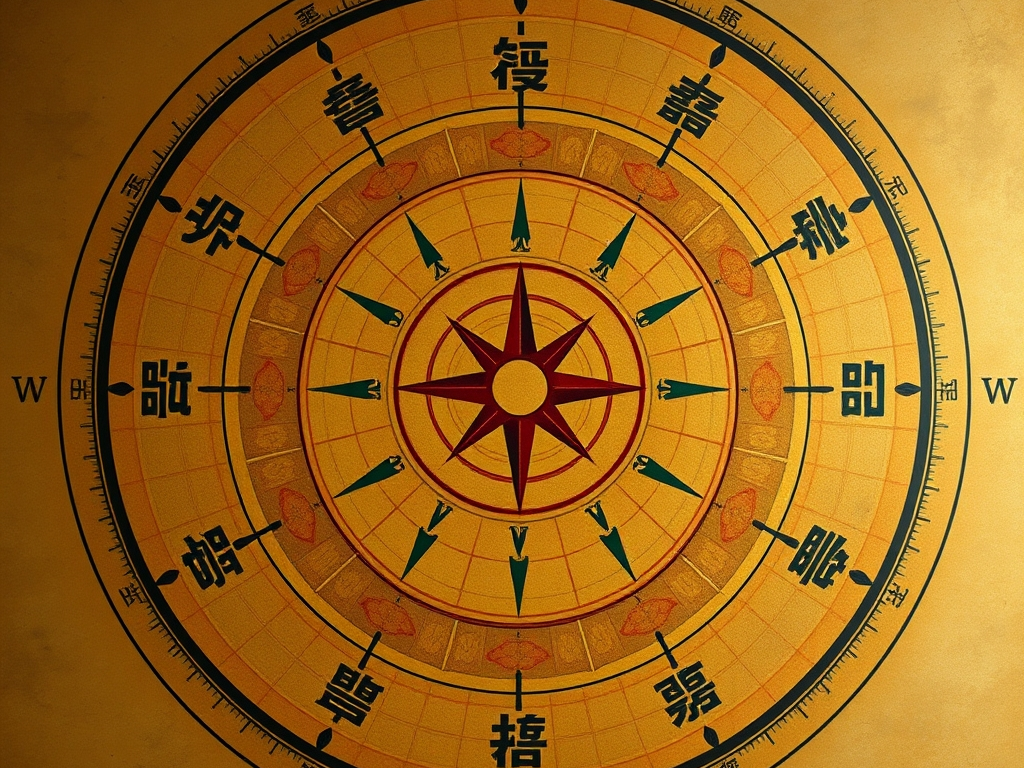
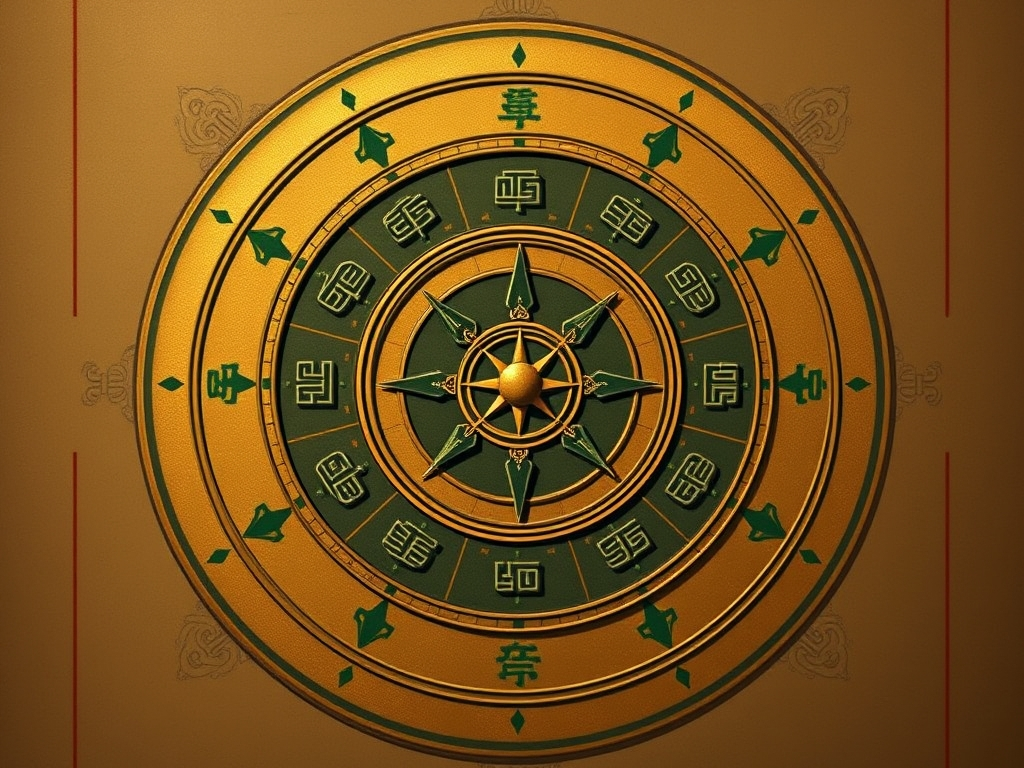
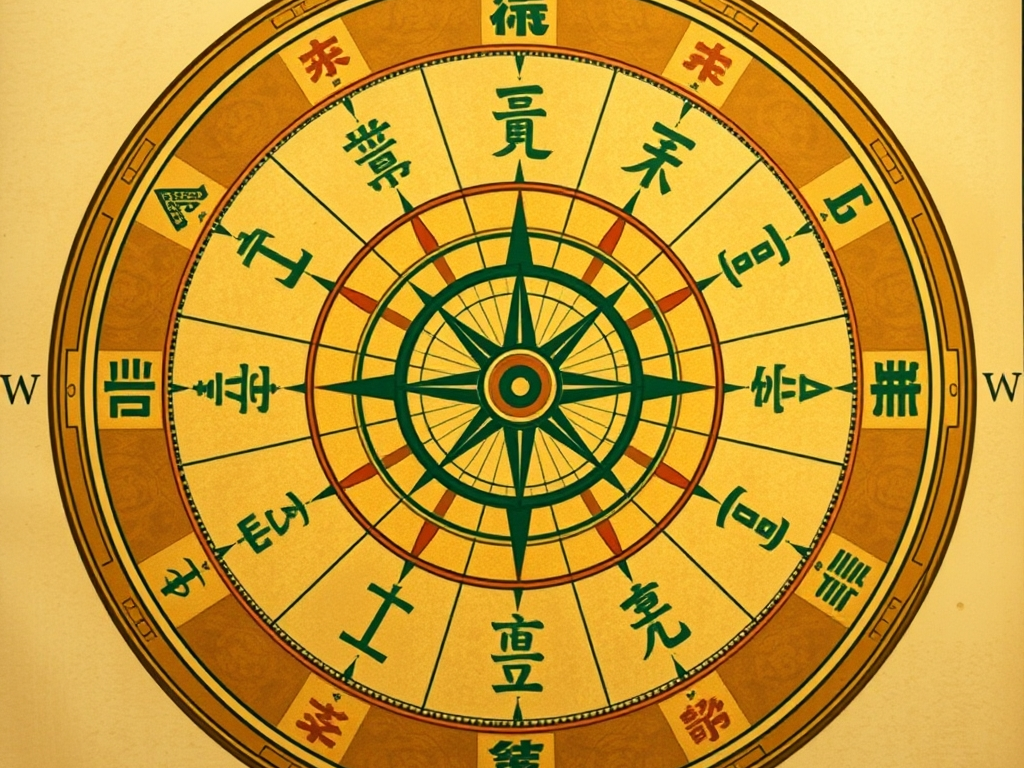
In a qimen chart, the palaces are containers. Each holds a door, a star, and a set of meanings, and together they describe where the energy of the question sits. A chart that puts a strong star in the palace of the self while the door weakens in the palace of the outcome is saying something useful: the problem may be the timing or the framing, not the goal.
You do not need to memorise every combination to use this. Ask which palace feels loud and which feels empty, then ask what those areas correspond to in the actual decision. For the layout of the palaces, see The Nine Palaces in Qimen Explained.
Common Hidden Problems a Chart Reveals
Across consultations, the same hidden problems recur. The chart often points to one of these.
- A timing problem disguised as a direction problem: you know where, but not when.
- A confidence problem disguised as an information problem: you have enough facts, but not enough nerve.
- A relationship problem disguised as a logistics problem: the friction is the person, not the plan.
- A commitment problem disguised as a comparison problem: you keep comparing because you do not want to choose.
- A preparation problem disguised as a waiting problem: you are not ready, and the chart says so.
If one of these names what you have been feeling, the reading has already earned its keep. For how to turn the hidden problem into a clear question, read How to Ask a Useful Qimen Question.
A Five-Step Reframing Practice
Use this practice to move from the surface question to the real one.
- Write the surface question exactly as you would ask it.
- Write what you hope a yes answer would give you.
- Write what you fear a no answer would cost you.
- Ask which of the two is louder in your chest.
- Rewrite the question around the louder one.
The reframing often produces a question the chart can genuinely address, such as whether this month supports the conversation you are avoiding. For how the chart describes movement, read Direction and Movement in Qimen.
When the Problem Is the Frame Itself
Sometimes the chart reveals that the problem is the frame: the decision is not ready to be made, the options are not yet real, or the question belongs to someone else. In those cases, the honest reading is not a choice but a diagnosis. The chart says gather more information, or fix the relationship, or wait for the offer to actually exist.
This is a legitimate outcome and often the most valuable one. A consultation that tells you not to decide yet has saved you from a premature decision. For the honest limits of what a reading can clarify, see What a Qimen Reading Can Clarify.
Turning the Name Into a Plan
Once the problem has a name, the plan becomes obvious. A timing problem needs a calendar. A confidence problem needs rehearsal and a smaller first step. A relationship problem needs a conversation, not another spreadsheet. Write the named problem at the top of a page and build the plan underneath it, and the chart has done its real work.
Keep the note and review it after the decision. Naming the problem is a skill, and every honest reading sharpens it. For the journal habit that supports this, see How to Keep a Qimen Study Journal.
An Example of Reframing
Imagine someone who says the question is whether to take a new job. The surface question is clear, but the chart keeps showing a weak palace in the area of timing and a strong one in the area of relationships. The hidden problem starts to appear: the person is not really deciding between two jobs; they are deciding whether they are ready to leave a team they love. The salary comparison is a distraction, and the chart has named the real decision by showing where the energy actually sits.
Once the problem has a name, the plan writes itself. The person needs a conversation about the team, a plan for staying connected after the move, and a clear date for the decision. The chart did not solve the problem; it located it, which is the most useful thing a chart can do. The same reframing works for money, relationships, and timing questions, which is why the skill of naming the problem is worth practising long before any particular reading.
FAQ
Can a qimen chart tell me the real problem directly?
It can point to it by showing where the energy of your question sits, but naming it clearly still takes your own honesty.
What if the chart reveals a problem I cannot solve?
Then the useful result is smaller: you stop wasting effort on the wrong problem and start preparing for the one you can influence.
Why does the same situation produce different readings?
Because each person carries a different real question, and the chart answers the question that is actually being asked.
How do I know which palace describes the problem?
Look for the palace where the door or star is unusually weak or unusually strong relative to the others, then ask what that area means in your situation.