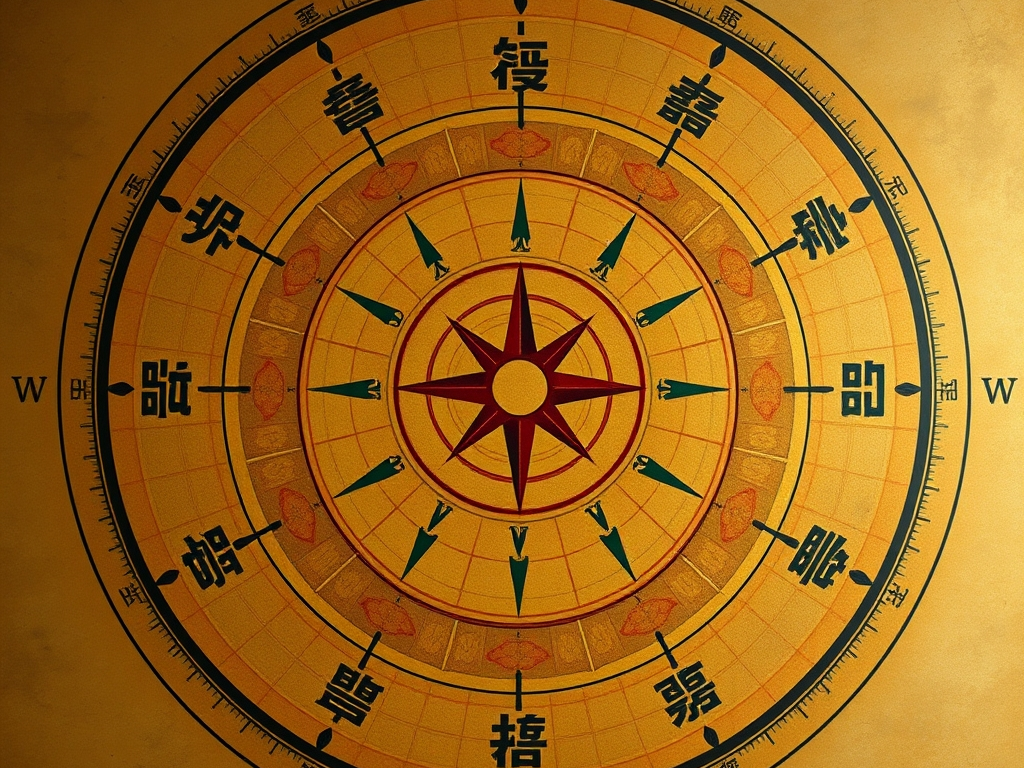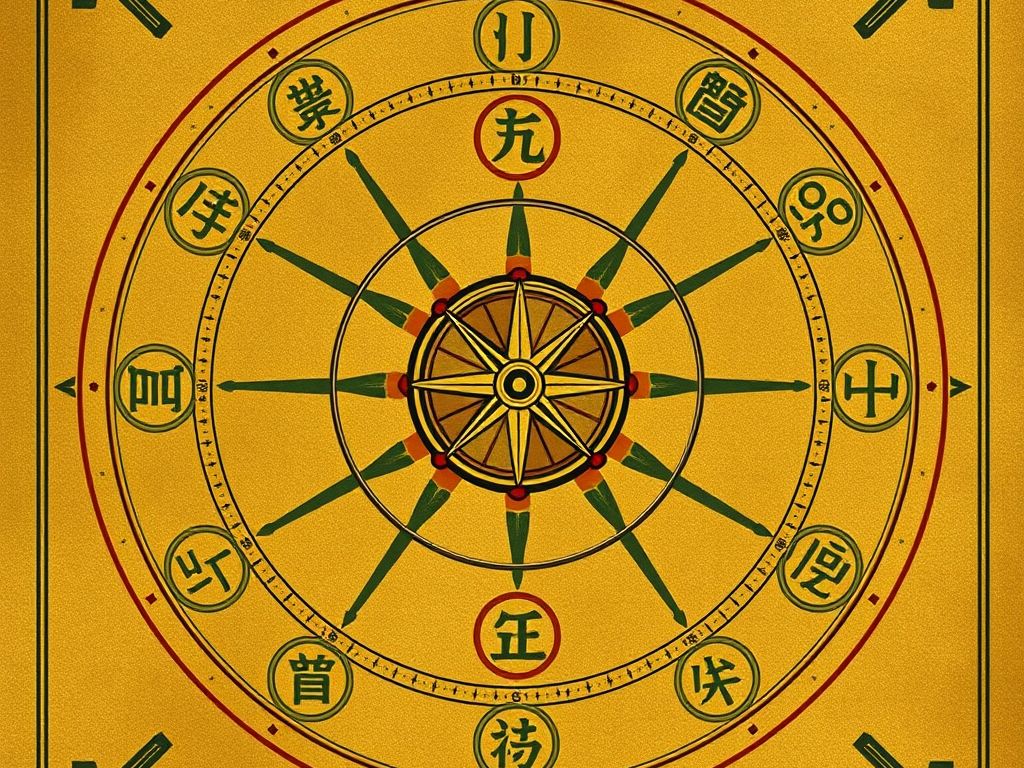
Qimen Dunjia is built on time, and seasons are the largest unit of time in the system. The year, month, day, and hour each shape a chart, but the season sets the background conditions for all of them. A question asked in spring sits in a different seasonal frame from the same question asked in autumn, even when the hour chart looks similar. Learning to read that frame is one of the most practical skills in Qimen study. For the foundation, start with What Is Qimen Dunjia? A Grounded Introduction.
This article explains how seasons enter a Qimen chart, what seasonal timing actually contributes, and how to use it for planning without turning it into superstition.
How Seasons Enter the Chart
Qimen calculations assign values to the months and seasons through the solar terms, which divide the year into fixed segments that track the sun. Each segment carries an element and a set of associations, and those associations flow into the chart's calculations. The result is that the seasonal layer is present even in an hour-level reading: the hour chart is read inside a seasonal context that changes every few weeks.
This is why two charts with similar doors can read differently across seasons. The same door that suggests visibility in a supportive season may suggest strain in a draining one. For the mechanics of how charts are assembled, read How a Qimen Chart Is Calculated.
What Seasonal Timing Adds to a Reading
Seasonal timing answers a question the hour chart alone cannot: is this the right kind of moment for this kind of action? In spring, growth-oriented actions have a natural wind at their back; in late autumn, consolidation and preparation often make more sense. The tradition does not claim the calendar decides your success. It claims the season changes the conditions, and conditions matter for timing.
Use the seasonal layer as a filter. Before acting on a door, ask whether the season supports the action's nature: planting, harvesting, resting, or clearing. If the door and the season conflict, the honest reading is usually that the moment is workable but uphill, not that it is impossible. For the role of the moment in Qimen, read Qimen Timing: Why the Moment Matters.
Planning a Project with the Seasons
Seasonal timing is most useful for projects with a natural arc. A project that needs preparation benefits from a quiet season for groundwork, a season of growth for the launch, and a settling season for consolidation. Qimen does not require you to follow this arc, but it gives you a vocabulary for noticing whether you are forcing a launch into a season that favors groundwork.
Map your plan onto the coming months in a simple table: what each season favors, what you want to do, and whether the two align. The table is a planning tool, not a fortune. For the project side of the system, read Qimen for Project Planning.
A Checklist for Seasonal Reading
Work through this checklist when you want to include the seasonal layer:
- Name the current solar term and its element.
- State what that season generally favors: growth, expression, harvest, or rest.
- Identify the action your question involves.
- Ask whether the action's nature matches the season.
- Note whether the hour chart's doors agree or conflict with the seasonal frame.
- Adjust the plan, the timing, or the preparation accordingly.
The adjustment is the point. Seasonal timing earns its place when it changes what you prepare, when you start, or how you pace a project. For the daily decision layer, read Qimen for Daily Decision-Making.
Staying Grounded About Seasonal Claims
The seasonal frame has clear limits. It describes favorable conditions, not guaranteed outcomes, and it should never override practical facts such as deadlines, contracts, or safety. A season that favors growth does not make a bad business plan good, and a season that favors rest does not cancel a genuine emergency. Treat the calendar as one input among several.
It also helps to test seasonal claims gently. If the tradition says a certain season favors one kind of work, try that work in the season and compare it with the same work in a different season. Your observations will teach you more than any memorized table. For the honest limits of Qimen advice, read What a Qimen Reading Cannot Do.
A Seasonal Timing Journal
A small journal makes the seasonal layer concrete. Once a month, write the current solar term, the season's element, and one line about what the season seems to favor in your work. Then note one decision you made that month and whether the seasonal frame supported or fought it. After a full year, the journal shows which of your projects moved with the calendar and which moved against it. The record is worth keeping even if you never consult a chart again, because it converts an abstract claim about seasons into personal evidence you can weigh.
The journal also catches the lag between the calendar and your felt season, which is one of the most common surprises for new readers. The solar term may say autumn while your city still swelters, and the honest entry records both. That gap is not a failure of the system; it is the local condition the system is meant to describe. Over time, you learn your own lag, and the learning makes the frame more accurate for you than any published table could be. The monthly entry takes ten minutes, and the year of entries is the cheapest education the tradition offers.
FAQ
Do I need a separate seasonal chart?
No. The season is already part of the calculation; you add it to your interpretation rather than casting a new chart.
How often does the seasonal frame change?
With the solar terms, roughly every two weeks, with the four major seasons carrying the largest emphasis.
Can a good season fix a bad chart?
No. The season changes conditions; the chart still needs to be read honestly, and practical factors still dominate.
Is seasonal timing the same as weather forecasting?
No. It describes traditional seasonal associations, not meteorology, and it should be used as a planning frame, not a forecast.