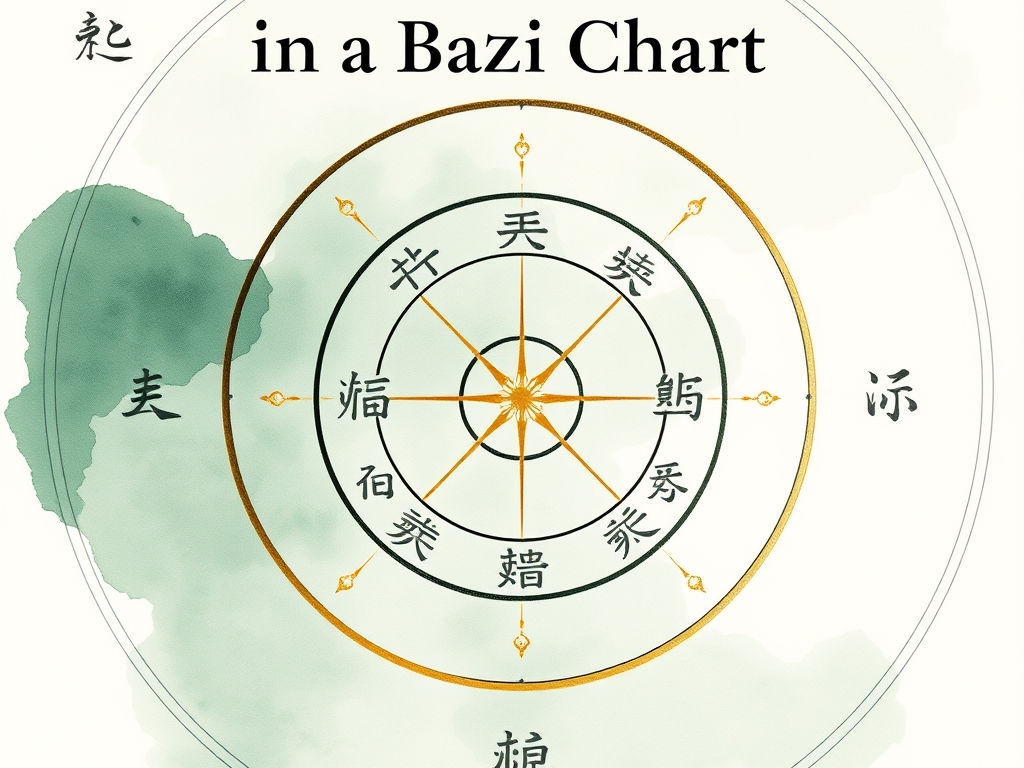
The Travelling Horse is one of the most intuitive stars in BaZi, because its name describes exactly what it is associated with: movement, travel, relocation, and change. In traditional chart reading, a prominent Travelling Horse can indicate a life shaped by moving, whether physically, professionally, or mentally. Yet the star is often overstated, treated as a guarantee of constant travel or a warning of instability. This article explains what the Travelling Horse actually describes and how to read it usefully, building on the fundamentals in What Is BaZi?.
What the Travelling Horse Represents
The Travelling Horse is a derived star, calculated from the branches of the chart, and it is traditionally associated with motion in the broadest sense: travel, relocation, new environments, and change of pace. In the language of the system, the horse is the image of something that cannot stay still, and its appearance in a chart suggests that movement will be a recurring theme in some area of life.
The key word is theme, not event. A person with a strong horse may live in several cities, change careers at a rapid pace, or move constantly in the mind even while staying in one place. Another person with the same star may travel only occasionally but change jobs frequently. The star describes a relationship with movement, and the specific expression depends on the rest of the chart. The general method for reading such labels is described in What a BaZi Chart Can and Cannot Tell You.
Reading the Horse by Position and Strength
The branch where the horse appears changes its flavor. In the year branch, movement may show up in the family story, such as a family that relocates or works abroad. In the month branch, it may appear in work rhythms, frequent travel for a job, or a career that requires mobility. In the hour branch, it is traditionally linked to later years and to a restless or active final stage of life.
Strength matters as much as position. A horse in a strong, supported position may express itself openly, while a suppressed horse may appear as an inner restlessness that rarely finds an outlet. Timing also matters: the horse becomes active in luck cycles or years that activate it, which is why the same person can live quietly for years and then experience a sudden move. The framework for timing periods is explained in The Ten-Year Luck Pillar Explained.
A Practical Checklist for the Movement Theme
If the Travelling Horse is prominent in a chart, use this checklist to make the theme concrete:
- Notice which branch the horse occupies and which life area that branch represents.
- Track how movement has actually shown up so far: relocations, job changes, travel, or mental restlessness.
- Check the timing cycles to see when the horse has been activated in the past.
- Ask whether movement has been chosen or imposed, and how you respond to each.
- Use the theme as planning information, not as a prediction you must obey.
The checklist turns a star label into a working observation. The same habit of grounding chart symbols in real experience is described in How to Read Heavenly Stems and Earthly Branches and How BaZi Handles Free Will and Fate.
Common Misconceptions About the Travelling Horse
The first misconception is that the star means you must travel or relocate. The horse describes a theme of movement, but you remain free to express it in any way that fits your life, including through career changes, new studies, or mental exploration. The second misconception is that the horse always brings instability. Movement can be tiring, but it can also bring opportunity, variety, and growth, and the same theme looks different in different charts.
The third misconception is that a chart without the horse is static or boring. Many people without a strong horse still travel and change jobs, and many with the horse live settled lives. The star is one indicator among many, and it should be weighed against the day master, the favorable element, and the overall balance of the chart. For that larger context, read Five Elements Balance in a Birth Chart.
Using the Horse for Planning
Read responsibly, the Travelling Horse is genuinely useful for planning. If the theme of movement is strong, you can design a life that accommodates it, such as a career with mobility, a home that is easy to leave, or habits that keep you grounded during busy periods. If the theme is weak, you can plan for stability without assuming the horse will force change.
The practical question is always the same: how does this person actually relate to movement, and what environment would support them? That question connects BaZi to everyday decisions, and the broader method is described in How BaZi Describes Career Tendencies and BaZi and Timing: Why Some Years Matter More.
Movement in a Busy World
The Travelling Horse reads differently in the modern world than it did in the classical texts, because mobility has changed. Relocation, remote work, and frequent travel are now ordinary, and a chart that once suggested an unusual life of movement may now describe a common career pattern. The star is still useful, but it should be read against the baseline of the person's actual world: what counts as movement for this person, and what would feel like too much of it?
This is why the horse is best discussed as a preference and a capacity rather than as a fate. A person with a strong horse may genuinely need variety, and a settled life may drain them slowly. A person with a weak horse may need stability, and a nomadic career may exhaust them even when it looks successful from the outside. The chart points at the tendency, the person supplies the context, and the two together produce a practical picture. That picture, not the label itself, is what makes the star worth reading.
FAQ
Does the Travelling Horse mean I will move abroad?
No. It describes a theme of movement, which can express as travel, career change, or mental restlessness.
Is the horse a sign of instability?
Not necessarily. Movement brings both challenge and opportunity, and its effect depends on the rest of the chart.
Can the horse be inactive for years?
Yes. The star becomes active through timing cycles, so periods of stillness and sudden movement are both normal.
What if my chart has no horse?
It simply means movement is not a dominant theme; it does not prevent travel or change.