BaZi, often translated as the Four Pillars of Destiny, is a traditional Chinese system for reading patterns in a person’s birth data. For English-speaking readers, it often sits somewhere between astrology, symbolism, and life reflection, but it does not need to be approached in a dramatic or superstitious way. A good introduction to BaZi begins with one simple idea: your birth year, month, day, and hour form a pattern, and that pattern can be studied.
People usually come to BaZi because they want clarity. They may be wondering why certain themes repeat in relationships, why one season of work feels easier than another, or why they feel pulled toward particular environments. BaZi does not replace common sense or personal effort, but it can give a useful structure for looking at timing, temperament, strengths, and pressure points with more calm and precision.
What the Name BaZi Means
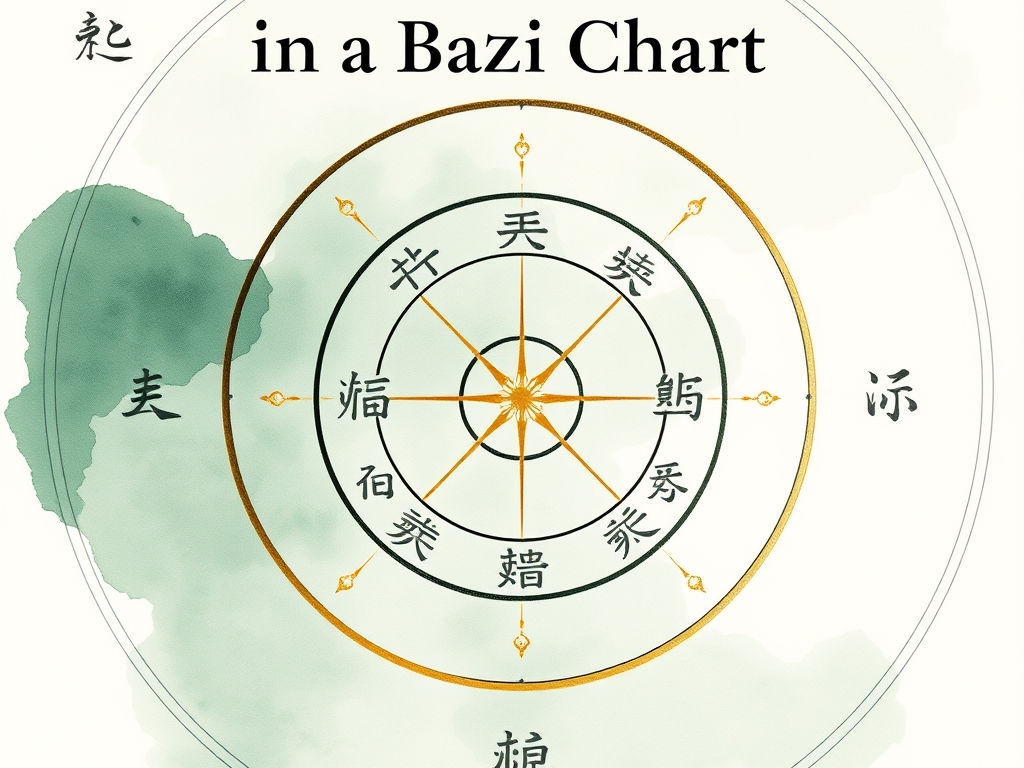
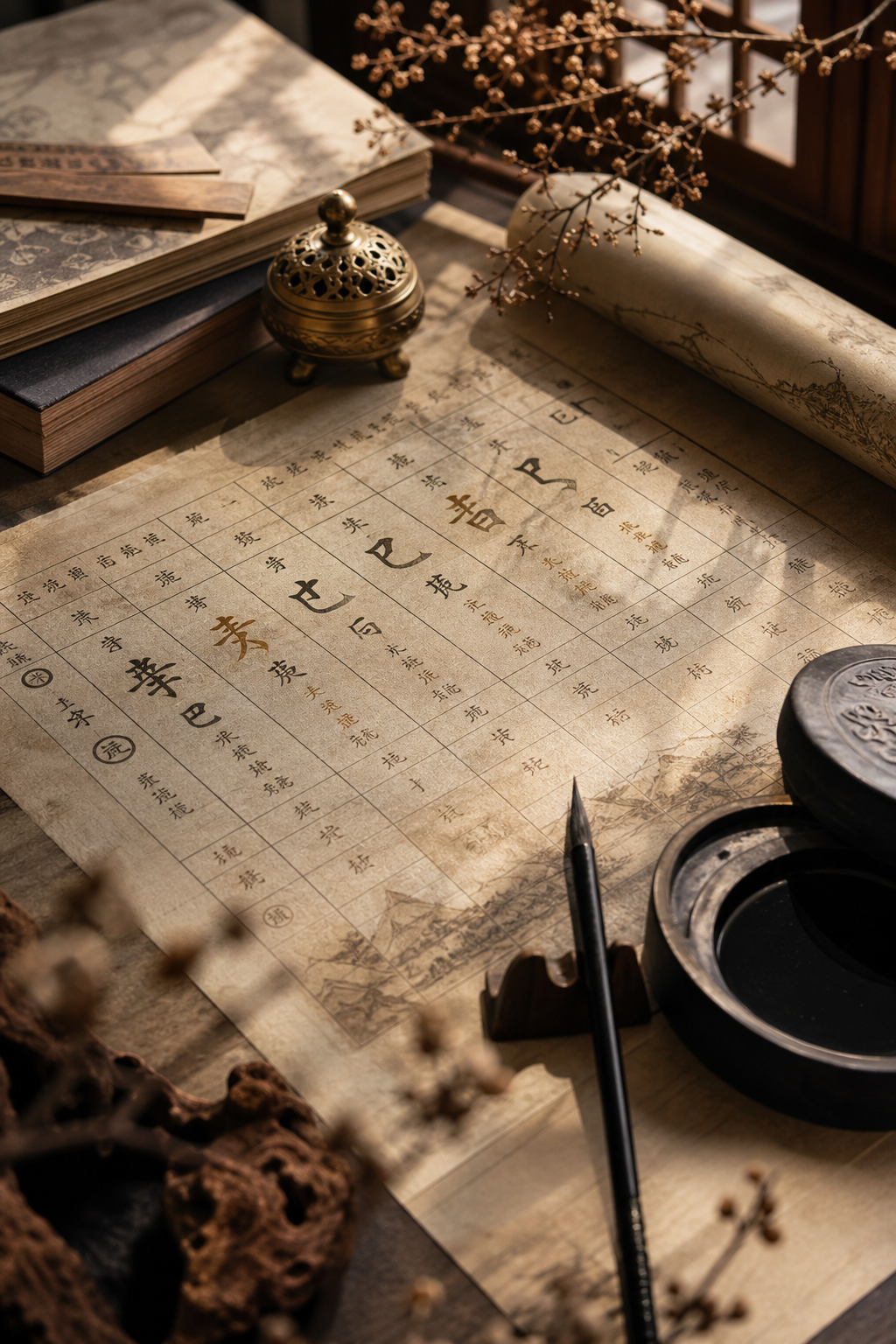
The term BaZi literally means Eight Characters. Those eight characters come from the Heavenly Stems and Earthly Branches assigned to the year, month, day, and hour of birth. Each pillar contains two characters, so four pillars create eight symbols in total. This is why the system is also called the Four Pillars of Destiny.
At first, this language can sound technical, but the idea is straightforward. BaZi is reading a structured birth chart. Instead of using planets and zodiac signs, it uses the Chinese calendar, seasonal context, and the Five Elements. The chart is not random. It is built from a long-standing system of relationships between time, element, and symbolic function.
Why Birth Time Matters
BaZi is based on the belief that time carries quality, not just quantity. A year is not simply a year, and an hour is not simply an hour. Each time period holds a certain elemental character. When someone is born, their chart captures the energetic climate of that moment. This is why accurate birth time matters whenever possible.
Even when two people share the same birthday, the hour pillar can change the chart meaningfully. In practice, that means two people may have a similar life atmosphere yet express it differently. One may be more inward, one more visible, one more strategic, one more relational. BaZi looks at these differences through structure rather than vague personality typing.
What BaZi Is Used For
Readers use BaZi for far more than curiosity. It is often used to reflect on career direction, emotional rhythm, relationship patterns, timing for change, and periods of growth or pressure. Some people want to understand what environments support them best. Others want perspective before making a decision that already feels heavy.
The most grounded use of BaZi is not passive prediction. It is pattern recognition. It helps a person ask better questions: What repeats in my life? What tends to drain me? What kind of pace suits me? When do I need stability, and when is a season asking for change? These questions make BaZi practical instead of theatrical.
- self-understanding and temperament
- career and work timing
- relationship reflection
- life-cycle awareness
- elemental balance and lifestyle support
What BaZi Can and Cannot Tell You
A thoughtful BaZi reading can reveal tendencies, context, timing patterns, and energetic emphasis. It can show where a person is likely to feel naturally strong, where they may experience recurring friction, and what kinds of conditions bring out their best. It can also highlight seasons when certain themes become more active.
What it cannot do is remove human agency. A chart does not make your decisions for you. It does not excuse harmful behavior, guarantee a perfect relationship, or mechanically predict one fixed future. A responsible reading treats BaZi as a map, not a prison. It supports reflection, but it should not be used to create fear or dependence.
How Beginners Should Approach It
Beginners often try to jump straight into advanced interpretation. That usually creates confusion. A steadier approach is to begin with the four pillars, the Day Master, and the general balance of the chart. Once those basics are clear, more specific themes like timing, compatibility, and luck cycles become much easier to understand.
The best attitude is curiosity with patience. You do not need to treat every symbol as an omen. Start by learning the language of the chart, then relate it back to real life. BaZi becomes useful when it helps you observe your life more clearly, not when it tempts you to outsource your judgment.
FAQ
Is BaZi the same as astrology? It shares the use of birth information, but it comes from a different symbolic system rooted in the Chinese calendar and the Five Elements.
Do I need an exact birth time? It is strongly preferred, because the hour pillar adds useful detail, but you can still begin learning from a partial chart if the time is unknown.
Should I treat BaZi as a prediction of my future? A grounded reading treats it as a guide to patterns and timing, not as a rigid script that removes free choice.
What to Do Next
The most practical next step is to generate your own chart accurately using your birth date and birth time. Once you have the chart, start with the Day Master, the four pillars, and the balance of elements before moving into more advanced ideas.
If you want a calmer and more useful experience, pair your chart with a few clear questions. Ask what the chart suggests about rhythm, strengths, and timing rather than looking for instant certainty. That approach will help you get far more value from BaZi.