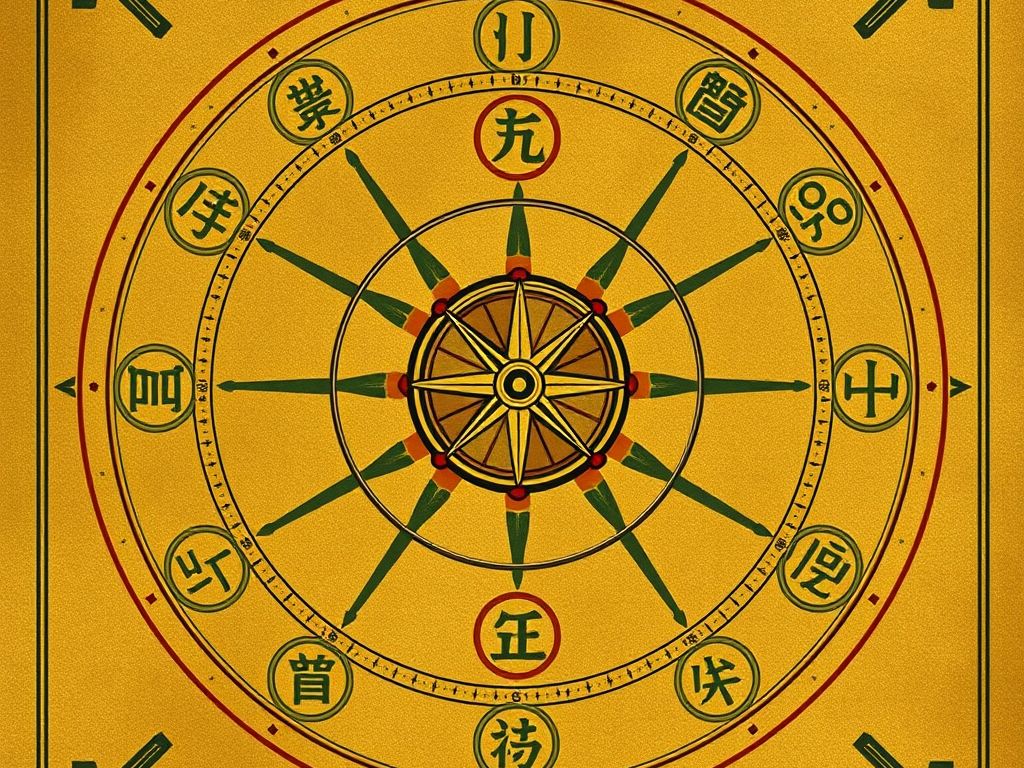
An interview is a timed interaction with a clear goal, which makes it a natural fit for Qimen-style preparation. The chart will not answer the questions for you, but it can help you organize preparation around timing, emphasis, and readiness. Used well, it turns a stressful event into a structured exercise with a clear plan.
The key is to treat Qimen as a preparation tool rather than a prediction tool. Instead of asking whether you will get the job, ask which parts of the interaction deserve the most preparation, when to schedule, and how to frame your strongest evidence. Those questions can genuinely change the outcome of an interview.
What the Chart Can Support
A Qimen chart can highlight which aspects of a situation appear stronger, where the friction might be, and what preparation would add balance. For an interview, that might mean deciding which story to lead with, when to schedule, or what questions to prepare for the closing part of the conversation.
Different doors and stars carry different tones. A chart that emphasizes clarity and communication may support a direct opening statement, while a chart that emphasizes structure may support a more methodical walkthrough of your experience. The chart does not tell you what to say; it tells you where to put your energy.
Start with the basics in What Is Qimen Dunjia? and How a Qimen Chart Works.
A Practical Preparation Routine
First, write down what the role actually needs and what evidence you have for each point. Then look at the chart for emphasis: which door or star supports clarity, connection, or analysis. Use that as a guide for ordering your talking points, not as a script for the outcome.
Next, build a short preparation plan around the chart:
- Identify the strongest symbol in the chart and connect it to one part of the interview.
- Identify the weakest symbol and prepare an answer that addresses that concern directly.
- Schedule the interview at a time that feels aligned, if you have a choice.
- Prepare two questions to ask the interviewer based on the role, not the chart.
- Do one mock interview and adjust your talking points afterward.
The plan keeps the chart useful without letting it replace real preparation.
Timing and Scheduling
If you can choose your interview time, Qimen can help you compare options. A chart cast for each candidate time will show different emphasis, and you can prefer the window that appears better supported. Timing is not magic; it is one more factor in a decision that already includes preparation, rest, and fit.
Avoid the trap of believing that one perfect hour guarantees success. The chart describes tendencies at a moment, not whether you will get the job. Real preparation, relevant evidence, and rest still do most of the work. Use the timing analysis to feel organized, not to become complacent.
Keeping It Honest
The most honest way to use Qimen for interviews is to treat the chart as a checklist for preparation. Ask what the reading would change if it were wrong, and whether you would still prepare the same way. If the answer is yes, the chart has done its job by organizing your effort. If the answer is no, the reading may be telling you to focus on something you were avoiding.
For general decision framing, read Qimen for Everyday Decision-Making and browse the Qimen article library.
Structuring Your Answers with the Chart
A worked example makes the preparation routine concrete. Imagine an interview for a project management role. The chart for the chosen time emphasizes the Door of Openness and a Star associated with analysis. You can use that emphasis to structure your answers: open with a direct summary of your relevant experience, then walk through one project in detail, showing how you planned, coordinated, and resolved a specific problem.
The same chart also shows a weaker area around negotiation, so you prepare a careful answer for the salary question and practice it aloud. On the day, you lead with the opening summary, follow with the detailed project story, and close with your prepared questions. None of this requires believing the chart predicts anything; it simply gives your preparation a clear order. If the chart had emphasized a different layer, such as connection, you would spend more time on building rapport and listening. The structure adapts to the emphasis, and the emphasis keeps you organized.
What to Do the Day Before and the Day Of
The day before the interview, review your notes and prepare the room you will use. Check your equipment, lighting, and background if the interview is remote, and lay out your documents. Then stop preparing: rest, eat well, and give your mind a break. The chart has already done its job by organizing your emphasis; the final hours should protect your energy rather than add stress.
On the day, arrive early in a technical sense as well as a practical one. Set up ten minutes ahead, test the connection, and keep a glass of water nearby. During the interview, use the structure from your preparation: lead with your strongest point, give a concrete example for each claim, and ask your prepared questions. Afterward, write down what went well and what you would do differently. That record is worth more than any prediction, because it builds the experience you bring to the next interview.
Handling Difficult Questions with the Chart in Mind
Interviews rarely go exactly as planned, and the chart can help you stay structured when they do not. Prepare a small set of reusable phrases before the interview: one for buying time, one for redirecting to your strengths, and one for asking a clarifying question. When a difficult question arrives, you do not need a perfect answer; you need a composed response that keeps the conversation moving.
A practical pattern is to acknowledge the question, connect it to your experience, and offer an example. If the interviewer asks about a weakness, acknowledge it briefly, describe what you do to manage it, and give one concrete example from your work. If you do not know an answer, say so directly and explain how you would find it. These patterns work with any chart, and they are especially useful when the reading emphasized a weaker area, because they give you a script to practice in advance. The day of the interview is not the time to improvise everything; it is the time to execute the structure you prepared.
FAQ
Can Qimen tell me if I will pass the interview?
No. It can support preparation, but the result depends on many real-world factors.
When should I look at the chart?
Use it while preparing, a day or two ahead, rather than right before the interview.
What if the chart looks unfavorable?
Use it as a signal to prepare more in that area, not as a reason to stop trying.
Does the interview time really matter?
It is one factor among many; preparation and fit usually matter more.
For more on this topic, browse the Qimen library, the Qimen overview, and the general foundations.