Luck cycles are one of the most useful parts of a BaZi chart, and also one of the most misunderstood. A luck cycle is a ten-year window that follows your chart, and each cycle carries a different theme based on the element that rules it. Reading your luck cycles well does not mean predicting your future; it means understanding what kind of season you are in, so you can plan, prepare, and act accordingly. This article explains how luck cycles work and how to read them, building on the timing framework in BaZi and Timing: Why Some Years Matter More.
What a Luck Cycle Actually Is
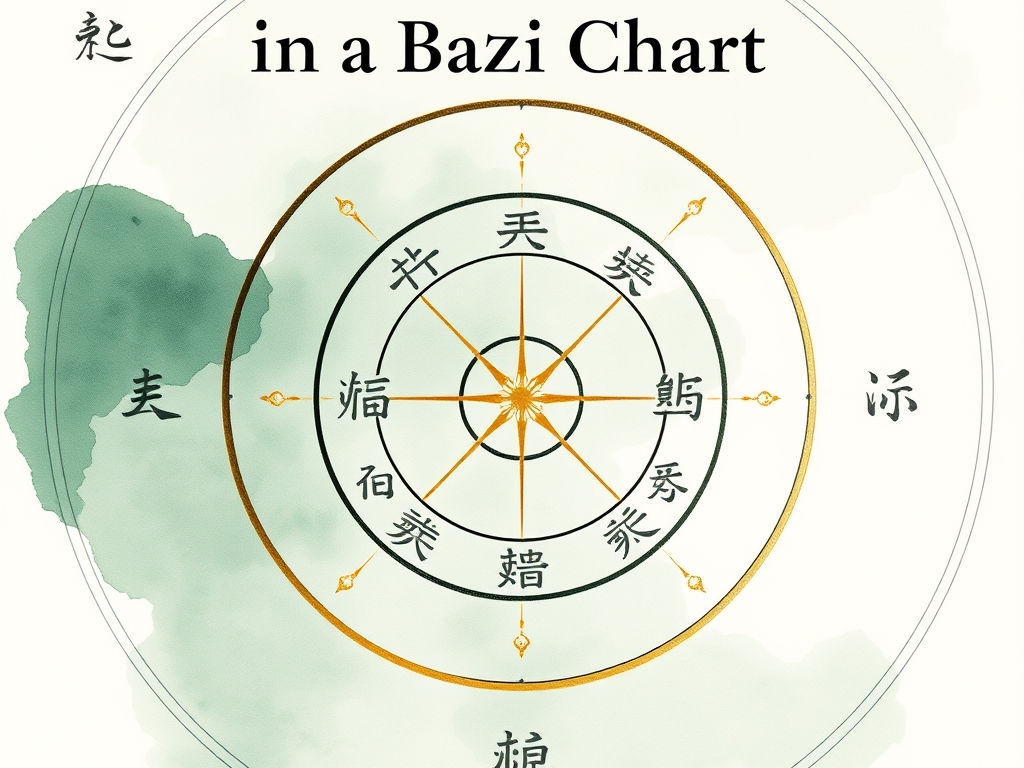
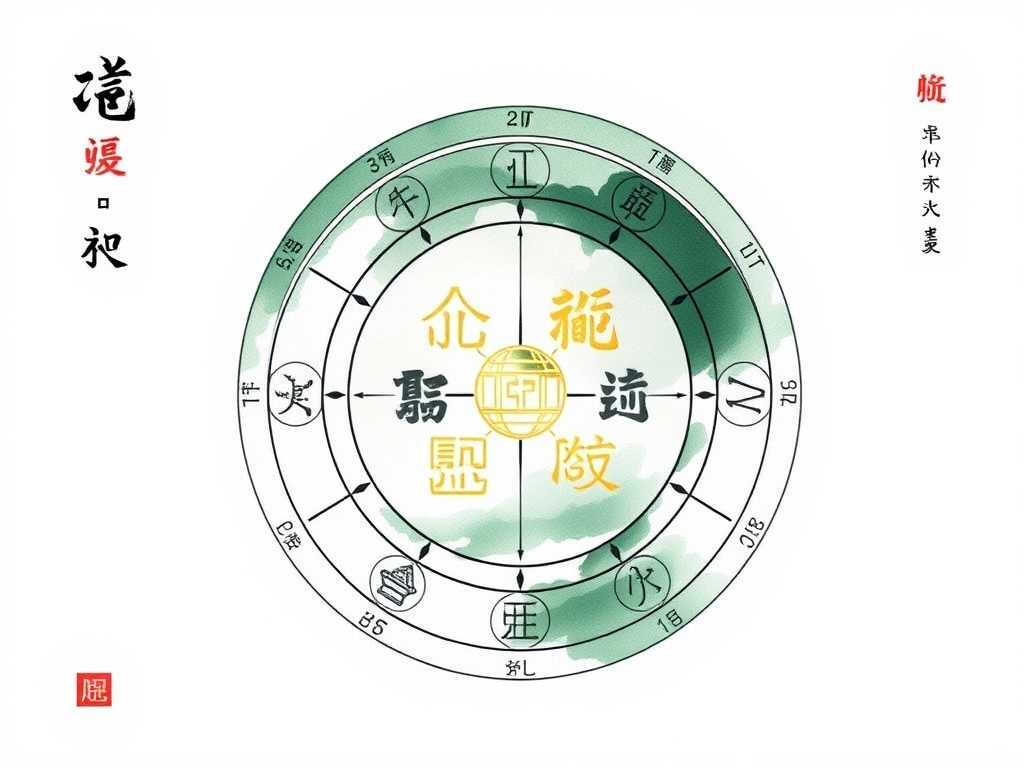
A luck cycle is a ten-year period defined by a pillar of stems and branches that follows your birth chart in a fixed order. Each cycle is associated with an element, such as Wood, Fire, Earth, Metal, or Water, and that element interacts with the elements of your day master and the rest of your chart. The interaction determines the theme of the decade: one cycle might support your confidence and visibility, while another might favor study, patience, or restructuring. The mechanics of these cycles are described in detail in The Ten-Year Luck Pillar Explained.
The word "luck" is misleading in English. A cycle is not good or bad on its own; it is a set of conditions. A Metal cycle might make your life busier and more demanding, which is stressful for some people and energizing for others. The same cycle can feel like pressure or opportunity depending on what you are trying to build. What matters is not whether the cycle is favorable but whether your plans match the conditions.
How to Find Your Current Cycle
Your reader or a chart calculation tool can identify your current cycle and its starting year. To read it yourself, follow these steps:
- Confirm your day master element, because every cycle is judged against it.
- Identify the element of your current ten-year cycle.
- Check how that element relates to your day master: does it support you, drain you, or put pressure on you?
- Look at the recent years within the cycle and compare them with what actually happened.
- Use the comparison to describe the theme of the remaining years rather than to predict specific events.
This reading method treats your own experience as evidence. If the current cycle is said to favor structure and you notice that the last few years rewarded careful planning, the theme is probably accurate for you. The relationship between your day master and the elements is the same one used throughout chart analysis, as shown in Understanding Your Day Master Element.
Reading the Years Inside a Cycle
Each cycle contains ten individual years, and each year has its own stem and branch. A year can act like a stronger version of the cycle theme or like a contrast to it. For example, during a Water cycle that favors reflection, a Fire year might create bursts of visibility that feel out of place, while a Metal year might deepen the reflective work. The yearly variations are why timing advice is rarely a simple list of good and bad years.
A practical way to read a year is to ask what it rewards. Does the year reward patience and review, or does it reward action and exposure? Does it support building new knowledge, or does it support using what you already know? The answers translate into concrete choices about work, study, and rest, and the same question is central to What Luck Pillars Mean in a BaZi Chart.
Common Mistakes When Reading Luck Cycles
The first mistake is treating the current cycle as a verdict on your whole decade. A cycle describes conditions, not outcomes, and your choices still shape how the conditions land. The second mistake is ignoring the years within the cycle; two people in the same cycle can have very different years depending on the yearly pillars. The third mistake is making big decisions solely on cycle labels, such as avoiding every important action during a supposedly difficult cycle. Responsible timing advice is described in How BaZi Reflects Health Tendencies only as a reflection of patterns, never as a fixed script.
Finally, do not read luck cycles in isolation. The cycle interacts with the rest of your chart, your current life situation, and your own effort. A cycle that looks demanding on paper may be exactly what you need if your situation is ready for change. The broader relationship between structure and timing is explored in BaZi, Free Will, and Fate.
A Worked Example of Reading a Cycle
To make the method concrete, imagine a person whose day master is Wood and whose current cycle is ruled by Water. Water generates Wood in the five-element cycle, so the decade is described as supportive: it feeds the day master and tends to favor learning, reflection, and steady growth rather than sudden visibility. The practical reading is that the decade rewards preparation and depth. If the person wants to change careers, the cycle suggests building the skills and network first, then moving when a visible Fire year arrives within the cycle. The same sequence is described in The Ten-Year Luck Pillar Explained.
Now imagine the same Wood day master in a Metal cycle, where Metal cuts Wood. The decade is described as more demanding: it tends to favor discipline, editing, and clear boundaries over expansion. The practical reading is not that the person should hide for ten years; it is that progress comes through precision, structure, and finishing rather than through launching many new things at once. Two people with the same chart can live this cycle very differently, which is why the yearly pillars and your own choices matter as much as the cycle label.
FAQ
How long does a luck cycle last?
A standard luck cycle lasts ten years, and it is followed by the next cycle in the sequence of stems and branches.
Can a "difficult" cycle still be productive?
Yes. A demanding cycle often rewards preparation, discipline, and restructuring, which can lead to major progress.
Do luck cycles predict specific events?
No. They describe themes and conditions, and your decisions still determine how those conditions are used.
Should I make decisions based on my current cycle?
Use the cycle as one input among many, and combine it with practical planning and your own judgment.