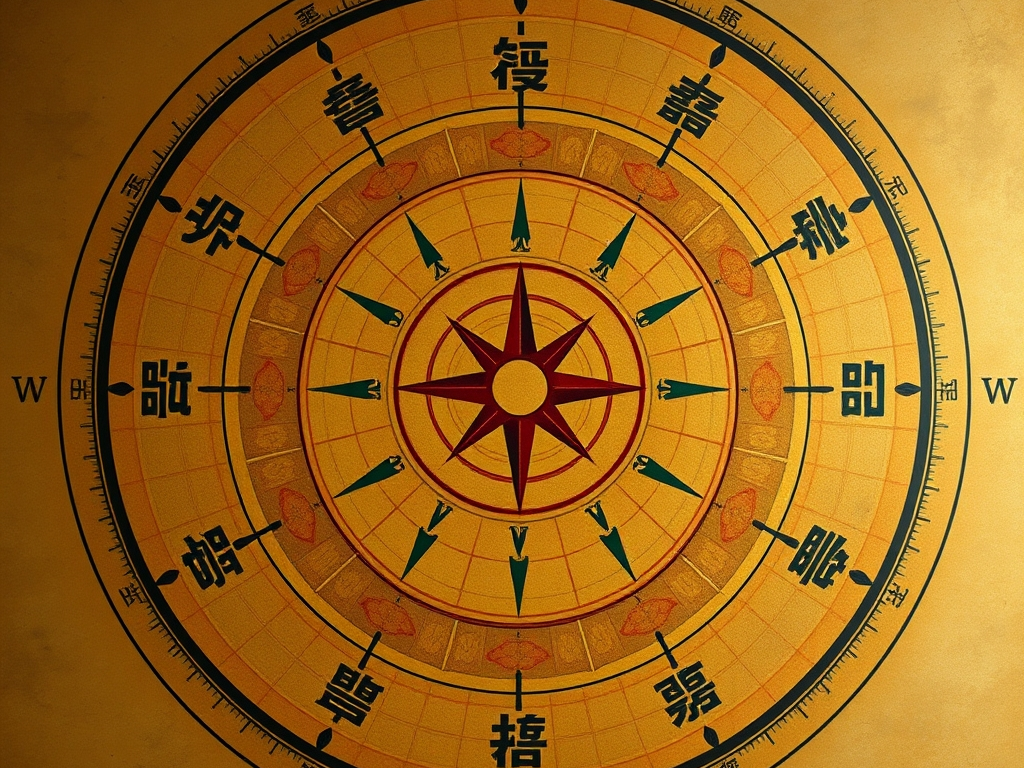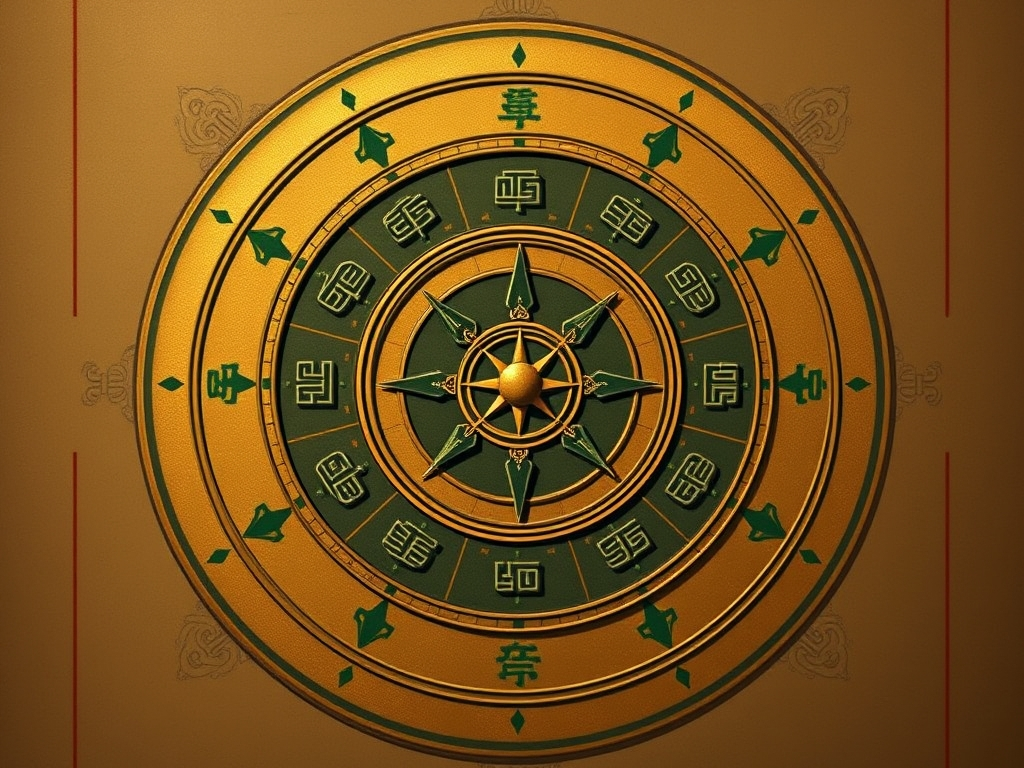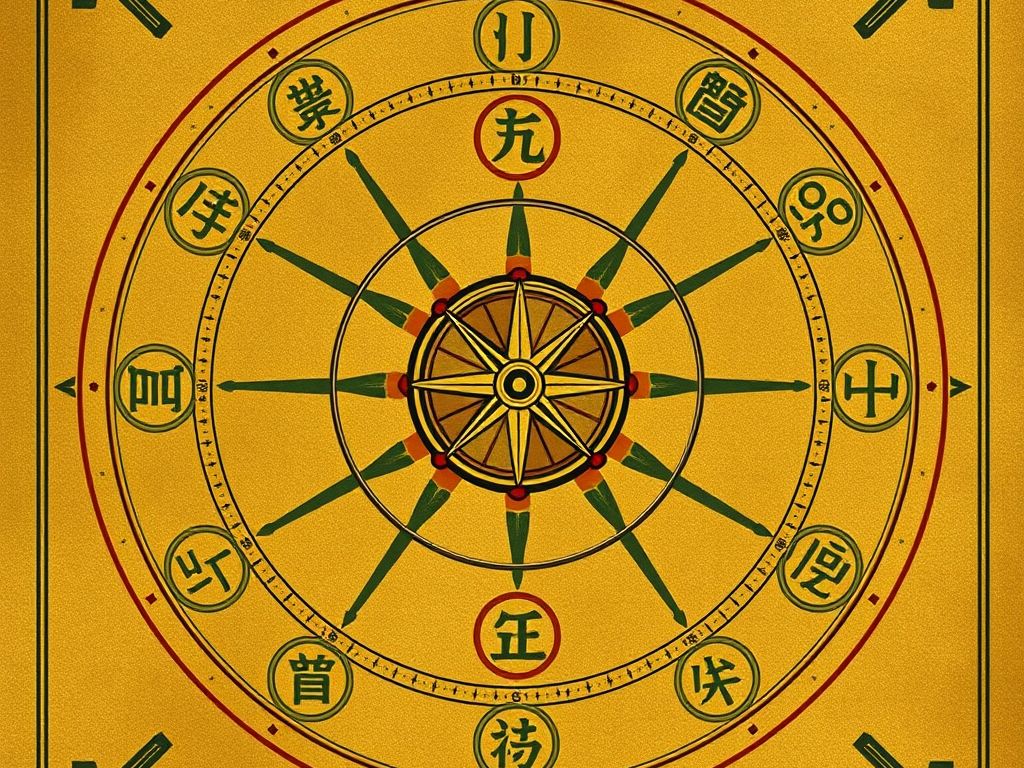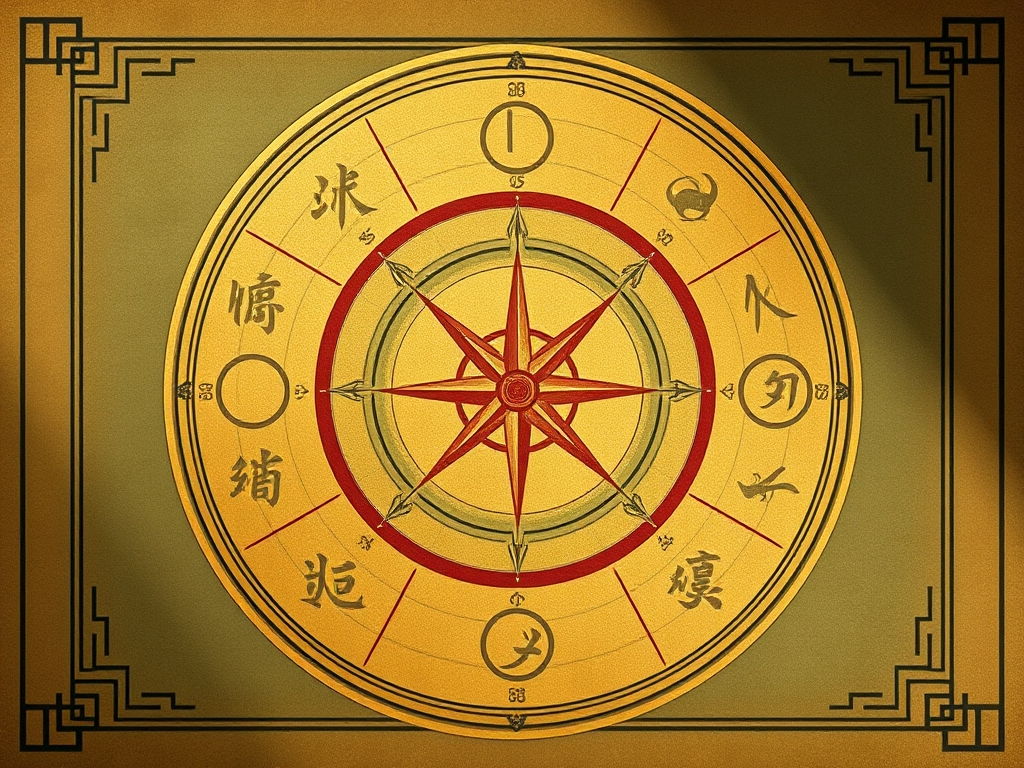
The concept of the void is one of the more subtle ideas in Qimen Dunjia, and also one of the easiest to misunderstand. In its simplest form, the void describes a palace or symbol that is considered empty at a given time, as if the energy of that position has not fully arrived. Beginners often hear the word void and imagine absence, danger, or bad luck, but the classical use is far more practical.
An empty position is not a negative verdict. It is a description of emphasis: what is not fully present yet, what needs waiting, or what should not be forced. Read that way, the void becomes a timing tool rather than a source of fear.
What the Void Actually Is
In traditional practice, certain palaces are considered void based on the interaction of the stems and branches of the time pillar. When a palace falls into the void, its symbols are read as less solid for that moment: they may represent something pending, unconfirmed, or not yet active. The emptiness is temporary, because time moves and the void shifts with the cycle.
This is why the void is fundamentally about timing. A symbol in the void may describe an offer that has not arrived, a decision that is not ready, or an influence that will become active later. The chart is not saying the thing will never happen; it is saying the moment is not ripe. For the timing layer of Qimen, read Qimen, Time, and Direction and How a Qimen Chart Works.
How Readers Use the Void
Experienced readers use the void in three ways. First, they check whether the palace answering the question falls into the void, which suggests the matter is pending or the evidence is incomplete. Second, they watch for when the void clears, because that moment often marks a more solid window. Third, they treat void symbols as areas where forcing a decision is likely to waste effort.
The practical translation is simple: if the relevant palace is in the void, prepare and wait rather than push. If it clears in the near cycle, that is a natural moment to act. This turns an abstract rule into a planning signal. For more on waiting as a skill, see Qimen and the Art of Waiting.
A Void Checklist for a Decision
When a reading mentions the void, walk through this checklist before reacting:
- Name which palace or symbol is described as void.
- Ask what would be present if the position were full.
- Check when the void clears in the current cycle.
- Ask what preparation would make the cleared window useful.
- Decide whether forcing the matter now would waste effort.
The checklist keeps the void practical. Instead of anxiety, it produces a date, a preparation list, and a clear sense of what not to force.
Common Misunderstandings
The first misunderstanding is that the void predicts loss. It does not; it describes emphasis and timing. The second is that a void palace means the answer is no. It more often means not yet, or not confirmed. The third misunderstanding is that the void is permanent. It shifts with time, which is exactly what makes it useful for scheduling.
A related error is ignoring the void entirely and reading every palace as equally solid. That flattens the timing information out of the chart and produces advice that ignores readiness. The better habit is to note which positions are empty and check the calendar for when they fill. For a broader view of what a chart can and cannot say, read Qimen for Everyday Decision-Making and browse the Qimen library.
A Worked Example
Imagine a question about whether to accept a partnership offer. The palace representing the offer falls into the void, while the palace representing the current position is solid. A hasty reading might call the offer unlucky. A careful reading says something more useful: the offer is not fully formed at this moment, the details need verification, and forcing an answer now is likely to waste effort. The plan is to gather the missing information, wait for the void to clear, and revisit the offer when the palace becomes solid.
Two weeks later the offer returns with revised terms, and the chart now shows the palace full. The reading was not a prediction of failure; it was a timing signal that matched reality. That is the proper use of the void, and it works precisely because it stays humble. For more on framing such questions, read How to Ask a Useful Qimen Question.
The Void as a Communication Tool
The void is also useful when you are explaining a chart to someone else. Instead of saying a palace is empty or void, translate the idea into plain language: the matter is not fully formed yet, the evidence is incomplete, or the moment is not ripe. That translation removes the fear from the word and keeps the practical meaning, which is readiness. Clients respond far better to not yet than to a symbol they cannot place.
The same translation works in your own study. When you note a void in a chart, write the plain-language version beside it and return to the note when the timing clears. Over time, the void becomes one of the most reliable signals in your vocabulary, because it points to the calendar rather than to anxiety.
A practical reminder: the void is not a reason to stop asking questions. It is a reason to keep gathering information, because the window after the void clears is only useful if the preparation happened during it. Treat the empty palace as a to-do list with a date attached, and you will never be surprised by readiness again.
FAQ
Does the void mean something is lost forever?
No. The void is a temporary timing condition that shifts as the cycle moves.
Is the void the same as a negative sign?
Not exactly. It describes what is pending or unconfirmed, which can be neutral or even protective.
How do I know when the void clears?
Through the stems and branches of the cycle; a reliable chart reference or a careful reader can identify the clearing window.
Should I avoid decisions whenever the void appears?
Not necessarily. The void suggests that preparation and timing matter more than forcing, not that action is impossible.