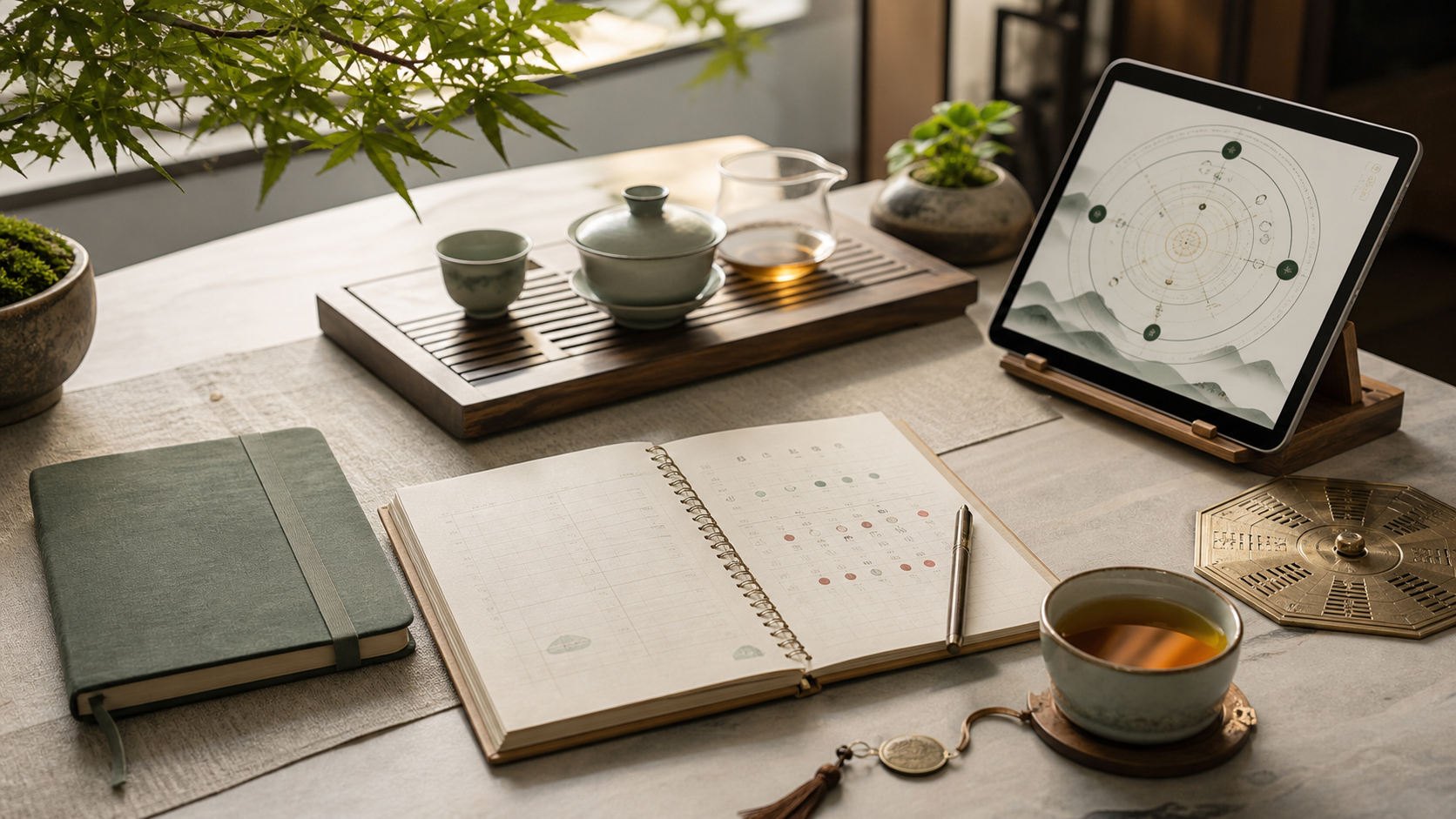
Daily guidance can sound old-fashioned until you realize how modern the need for it actually is. Most people today are not lacking information. They are lacking rhythm. Their calendars are crowded, their attention is fragmented, and their choices are often made in reactive time. Daily guidance offers an alternative. It asks how to live with better timing, steadier pacing, and more honest alignment between action and context.
For a beginner, this does not need to become highly technical. The most useful version is simple: notice the quality of the day, understand the wider season, and choose tasks that fit. That is enough to change how work, home life, and decisions feel.
Why Daily Guidance Still Matters
Modern systems are efficient at measuring quantity but weak at reading quality. They tell you deadlines, hours, and output targets, but they do not always help you understand when a day is better for strategy than speed, or when a season asks for review more than expansion. Daily guidance fills that gap.
It matters because life is not just about doing more. It is about doing the right kind of thing at the right time often enough that effort begins to compound instead of scatter. That does not make daily guidance magical. It makes it useful.
Four Places to Apply It First
The easiest starting points are work rhythm, home rhythm, decision timing, and social timing. In work, ask whether the day wants planning, execution, or refinement. At home, ask whether the environment needs activation, care, quiet, or clearing. In decisions, ask whether the moment supports movement or whether more shape is needed. In relationships, ask whether this is a contact phase or a listening phase.
These four applications are enough to make the system practical immediately. They also keep you from getting lost in abstract theory before you have personal evidence.
Build a Lightweight Practice
A lightweight practice works better than a dramatic one. Each morning, write one line about the day’s quality. Rising, heavy, clear, scattered, social, quiet, review-focused, action-ready. Then choose one primary mode: start, push, refine, or pause. At the end of the day, check whether that reading helped.
Within a few weeks, patterns often become visible. Some phases repeatedly support the same kind of work. Some social tasks repeatedly fail when forced at the wrong time. This is how daily guidance becomes real knowledge rather than borrowed language.
Stay Flexible and Honest
The biggest beginner mistake is turning guidance into control. Not every day will obey your plan. Some days are mixed. Some obligations override timing preference. The point is not to live in perfect alignment. The point is to become less unnecessarily misaligned. Even partial timing awareness can make life more humane.
If you keep the practice flexible, it will stay useful. If you make it rigid, it will collapse under real life. That is why grounded articles like How to Read Seasonal Energy Without Turning It Into Superstition matter so much for beginners.
FAQ
Do I need to study many systems before starting?
No. Start with simple rhythm observation and task matching. Technical depth can come later if it proves valuable.
Can daily guidance help with stress?
Yes, often by reducing needless friction and helping people stop forcing the wrong kind of effort at the wrong time.
How long until patterns become clear?
Many people begin noticing patterns within a few weeks if they track the feel of the day consistently.
What should I read after this?
Try What Is Daily Guidance in Chinese Metaphysics? and How the 24 Solar Terms Shape Work and Life Rhythm.
Why This Fits Modern Life So Well
The modern world gives people endless tools for tracking output but very few tools for tracking proportion. Daily guidance matters because it restores proportion. Some days can hold more visibility, some less. Some weeks are good for outreach, some for cleanup, some for design. Once people start respecting that difference, productivity becomes less punishing and daily life becomes more humane. That is why this old-looking idea often feels surprisingly contemporary when it is used well.
Where to Go Next
Good next reads are What Is Daily Guidance in Chinese Metaphysics?, How the 24 Solar Terms Shape Work and Life Rhythm, and Why Some Days Feel Better for Planning Than Pushing. You can also browse all Daily Guidance articles.