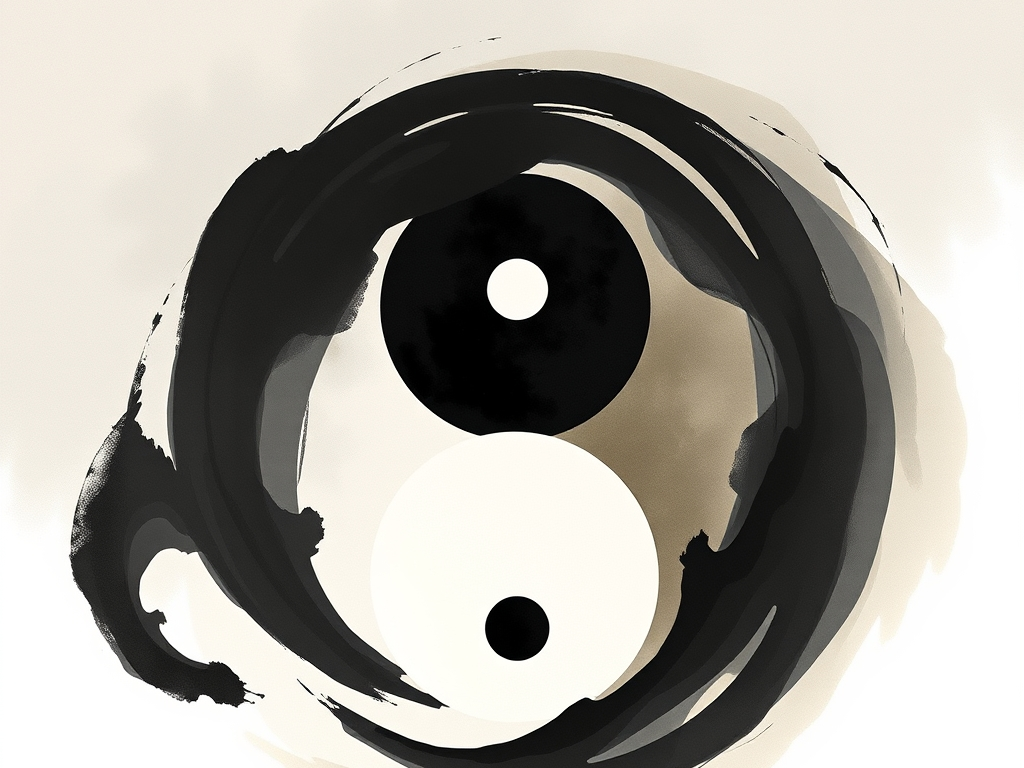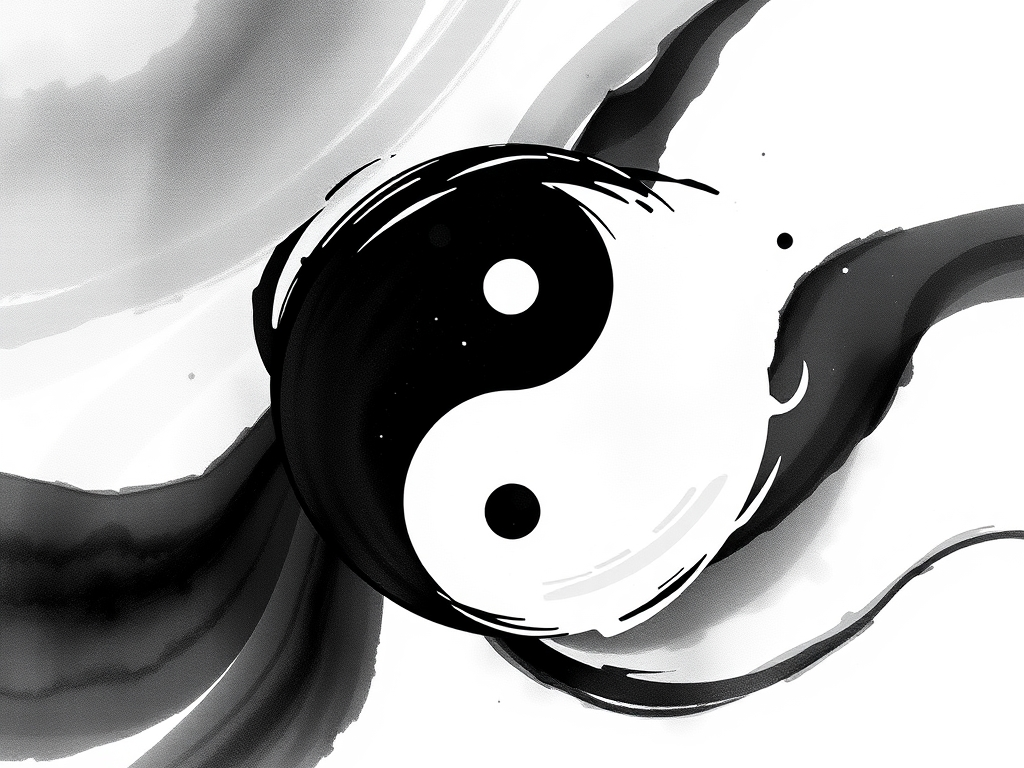
Symbols are the working material of Chinese metaphysics, and their real function is often misunderstood. A symbol is not a container of hidden facts; it is an organiser of attention. The eight trigrams, the ten stems, the nine palaces, these are not codes to be decoded so much as lenses to be looked through. They group experience into shapes the mind can hold, compare, and remember. For the basics, start with Why Symbolic Language Matters.
This article explains how symbols organise attention, why that matters for study, and how to use them without turning them into superstition.
Symbols as Filters
Attention is limited, and raw experience is unbounded. A symbol filters experience into a manageable shape: the yin-yang symbol sorts every quality into two complementary tones; the five elements sort qualities into five families; the trigrams sort phenomena into eight patterns. The filter is not the truth of the world; it is a way of seeing that makes comparison possible. What you gain is not hidden knowledge but organised attention.
This is why the same symbol can serve different systems. A trigram in feng shui and a trigram in Qimen are the same lens used on different subjects. For the shared grammar, read The Grammar of Chinese Metaphysics.
What Symbols Do for Memory
Symbols also organise memory. A set of eight trigrams is easier to hold in mind than a list of eighty qualities, and each trigram is a handle for a cluster of related observations. When you learn that a trigram carries the qualities of thunder, beginning, and movement, you are not learning three facts; you are attaching a cluster to a handle. The handle lets you retrieve the cluster in a new situation, which is exactly what study is for.
The practical lesson is to learn symbols through their clusters, not as isolated labels. For the naming power behind this, read The Power of Naming in Symbolic Study.
Symbols as Comparison Tools
The deeper use of symbols is comparison. Once two situations are named with the same symbol, they can be compared; once they carry different symbols, the difference becomes visible. A season and a life phase can be held together under one symbol and seen to share a shape. A chart and a room can be read with the same grammar and compared. The symbol is the bridge that makes the comparison possible, and the comparison is where insight appears.
This is why symbolic study sharpens perception even when its literal claims are doubtful: it trains the habit of comparing shapes. For the practice of contrast, read Why Contrast Matters in Symbolic Reading.
A Practice With Symbols
- Pick one symbol, such as a trigram or an element, and study its cluster of qualities.
- Name one situation today that the symbol describes.
- Name one situation the symbol does not describe, and say why.
- Compare two situations that share the symbol, and note the common shape.
- Write the comparison down, then test it against what happens.
The practice turns symbols from objects of belief into tools of attention. For the journal that supports it, read How to Keep a Study Journal.
When Symbols Become Superstition
Symbols become superstition when they stop organising attention and start claiming authority. A symbol that must be obeyed, a number that must be avoided, a sign that decides your day, these are misuses of a tool. The tell is the same as everywhere in the tradition: when the reasoning disappears, the symbol has stopped being a lens and started being a master. The tradition itself warns against this, and the warning is part of its teaching.
The honest frame keeps the symbol in its place: a way of seeing, never a replacement for judgment. For the discipline of testing symbolic claims, read How to Test a Metaphysical Idea Carefully.
Symbols and the Tradition's Real Gift
Seen this way, the tradition's real gift is not a set of answers but a set of lenses. The symbols give you ways to notice, name, compare, and remember patterns that ordinary attention misses. They do not need to be literally true to be genuinely useful, any more than a map needs to be a miniature of the terrain. What matters is whether the lens helps you see and act more clearly, and that is testable.
For the wider map of the lenses, read A Map of the Major Chinese Metaphysical Systems.
A simple exercise shows the principle working. Take one symbol you already know, such as the yin-yang circle, and spend a day noticing where its pattern appears: a conversation where two qualities balanced each other, a decision that needed both action and reflection, a room that felt complete because light and shade were both present. The symbol did not cause any of these things, and it did not hide them. It gave you a shape to look for, and the looking changed what you noticed. That is the whole mechanism, and it works with the trigrams, the elements, and the palaces exactly as it works with the circle.
The discipline of the practice is to keep the symbol's claims small. When a symbol names a pattern, ask what it helps you see that you would otherwise miss, and let that be its whole contribution. When it starts demanding behaviour, such as avoiding a number or performing a ritual, the lens has become a rule, and the rule is not the tradition's gift. Keeping the claims small is what allows the lenses to be many, and many lenses are what make the tradition a rich way of seeing rather than a single narrow answer.
FAQ
Are symbols hiding secret facts?
No. They are organising tools, grouping experience into shapes the mind can hold and compare.
Do I need to believe in symbols to use them?
No. You need to use them carefully and test them, which is a different activity from believing.
How do symbols help daily life?
They give you vocabulary for noticing patterns, comparing situations, and remembering what you observe, all of which sharpen ordinary judgment.
When does a symbol become superstition?
When it stops being a lens and starts being a command, a rule without reasoning, or a claim that cannot be tested.